Back to Cooksey Green
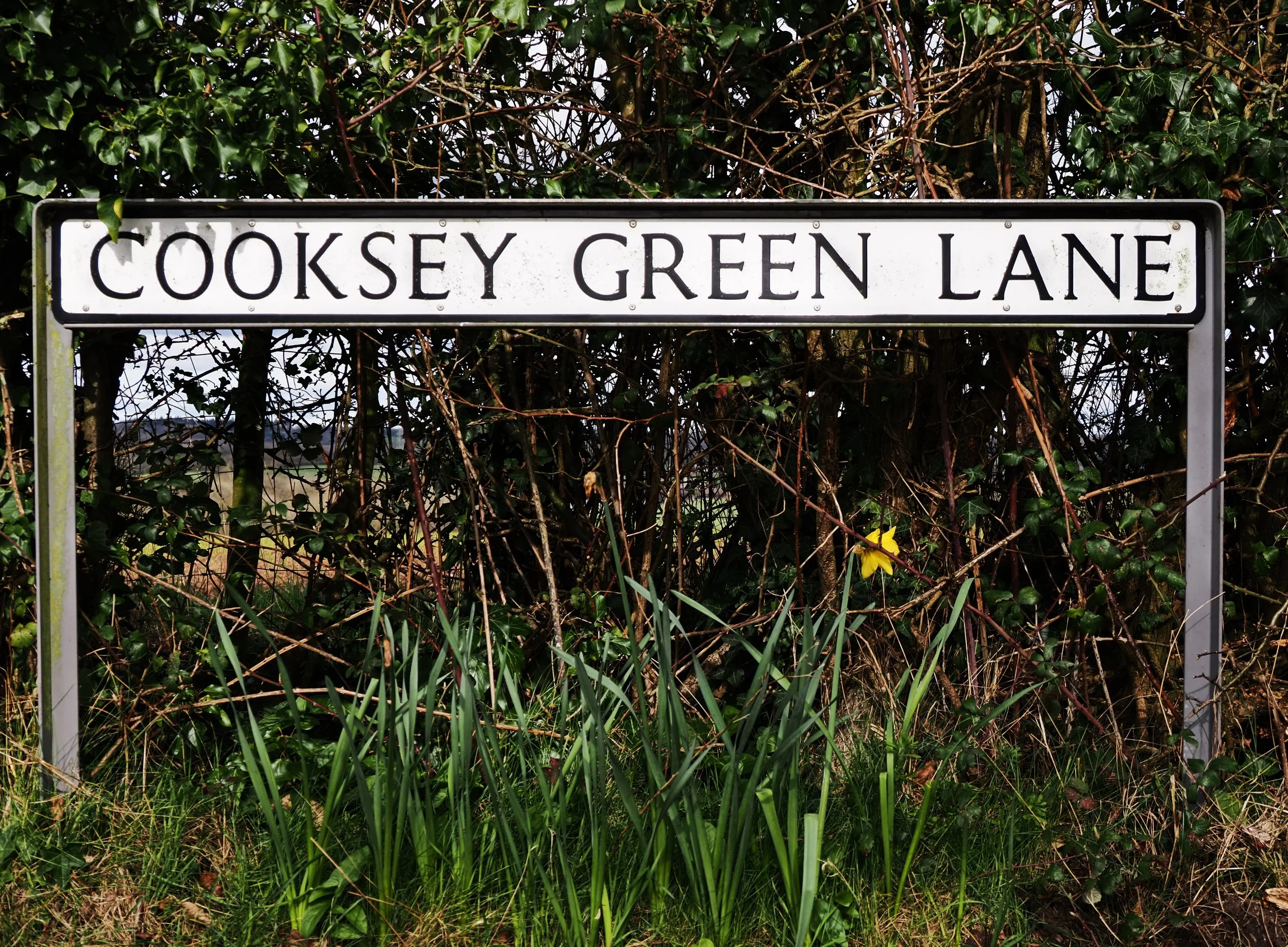
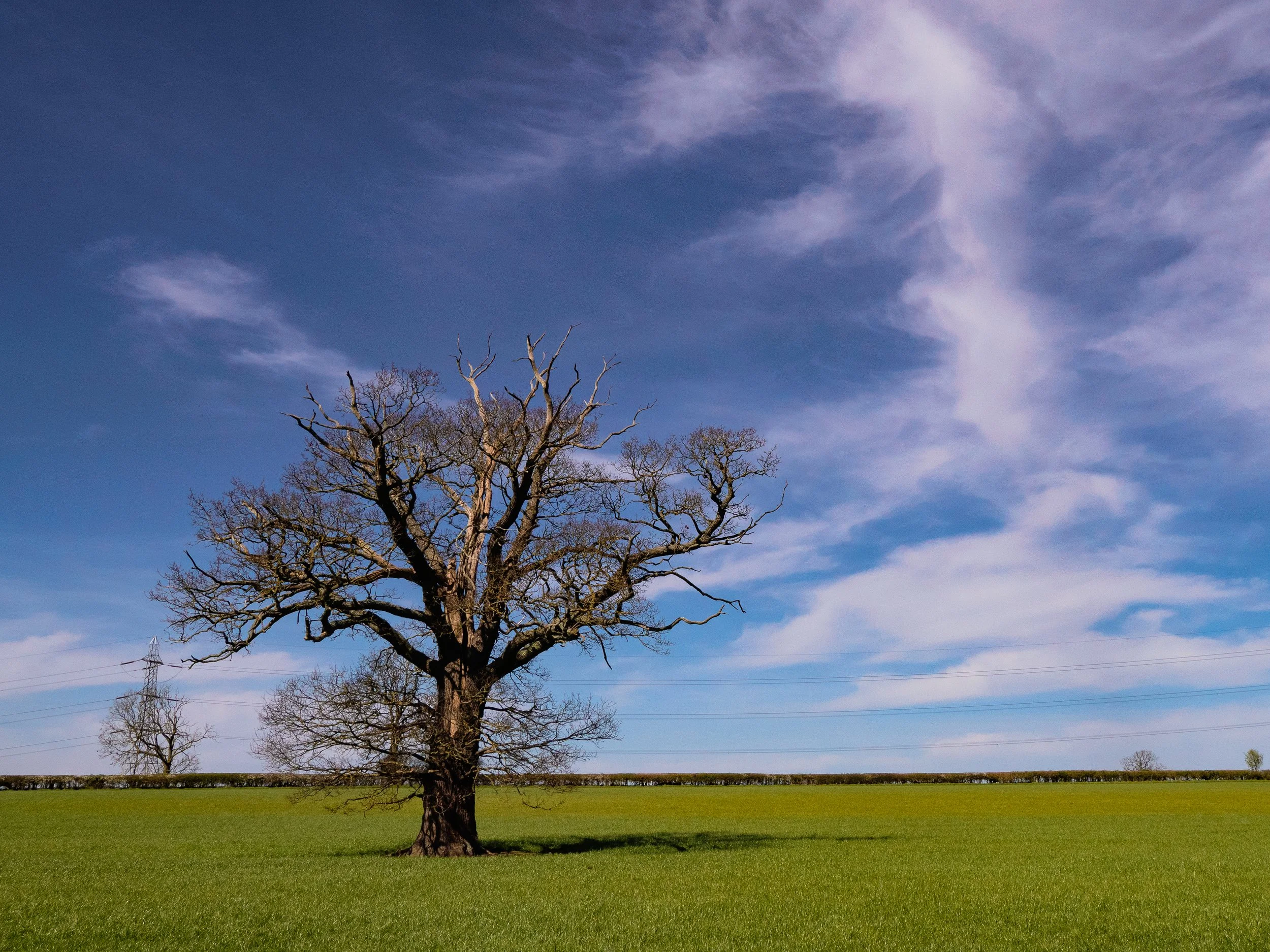
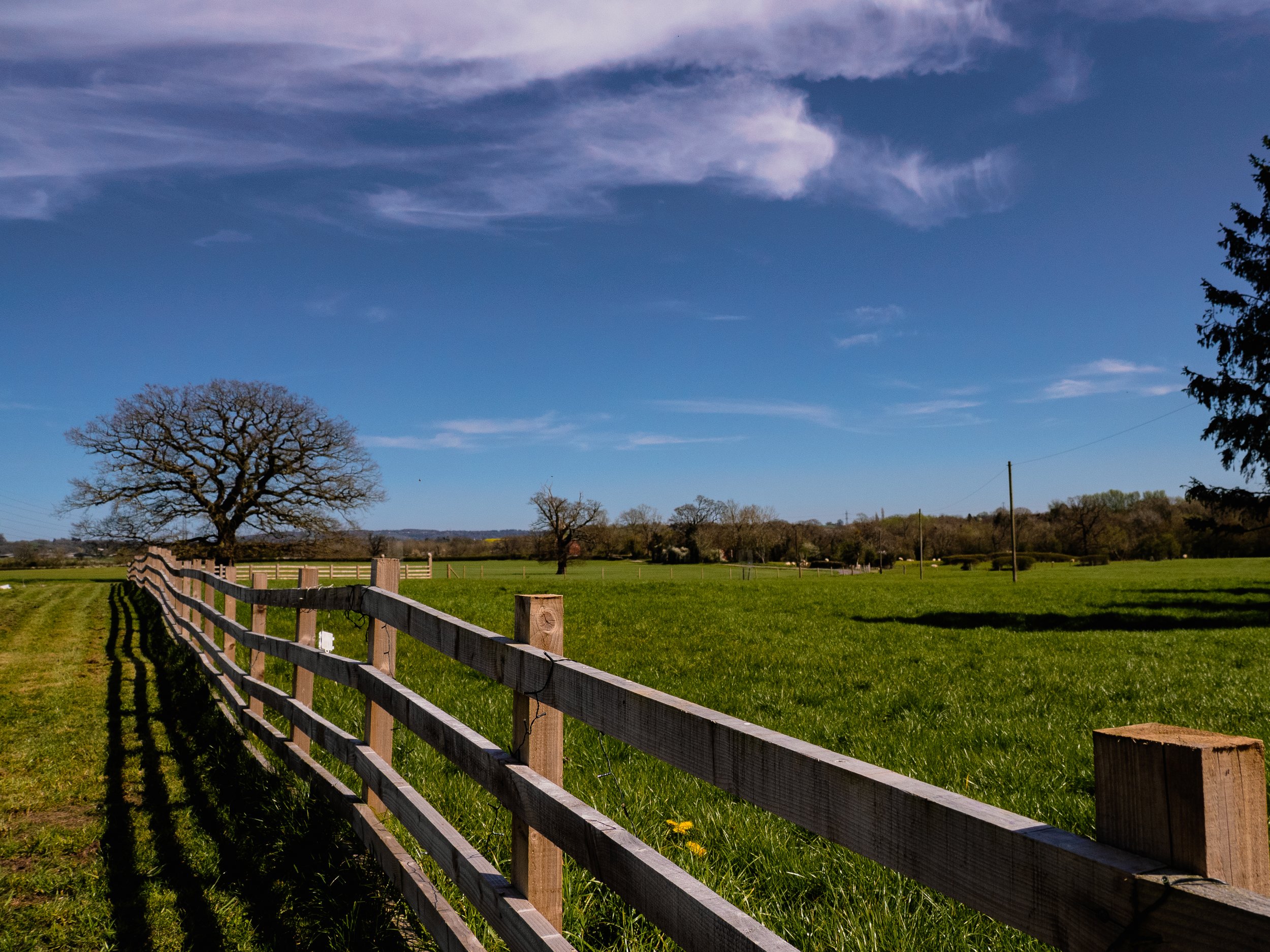
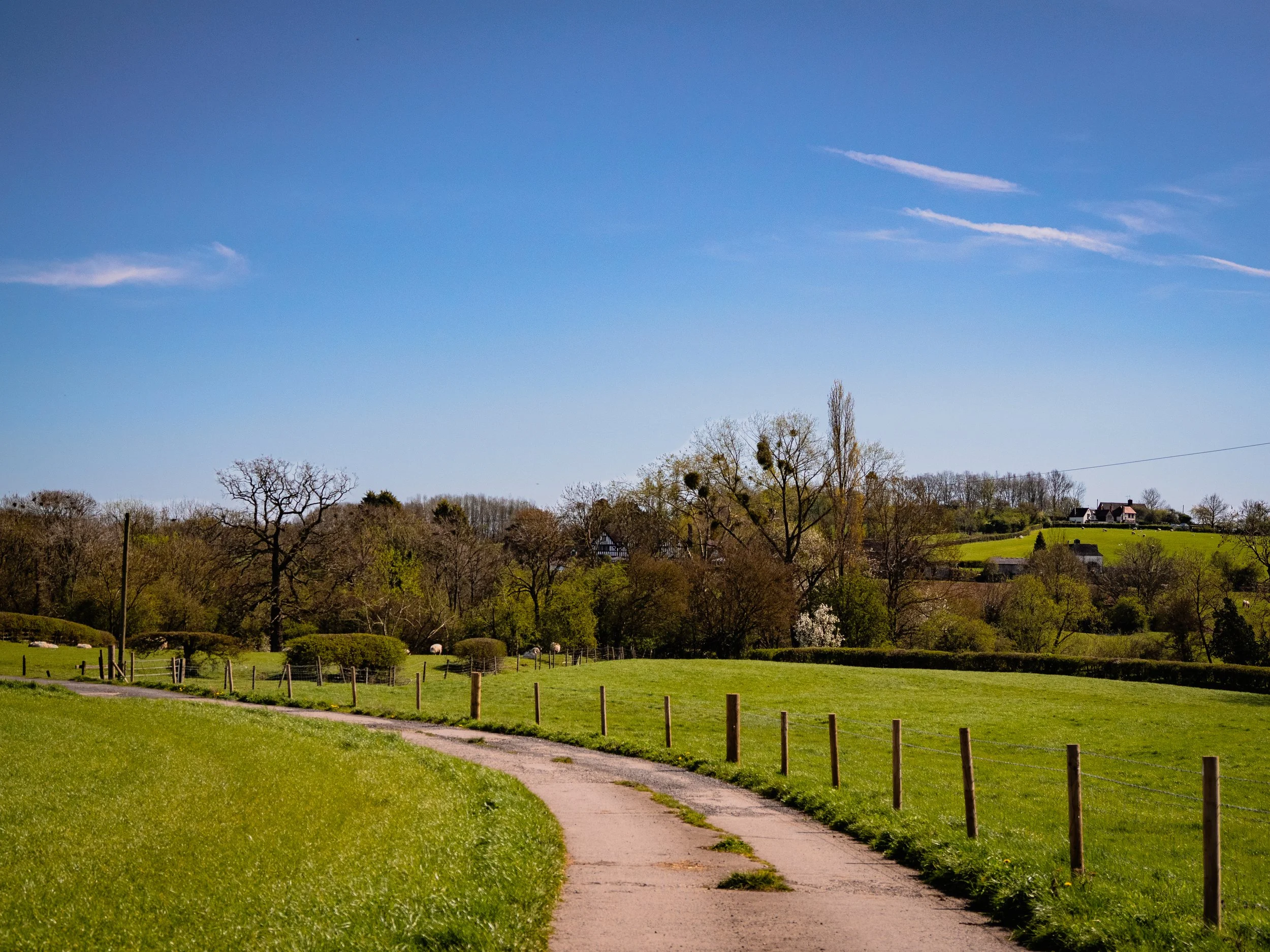
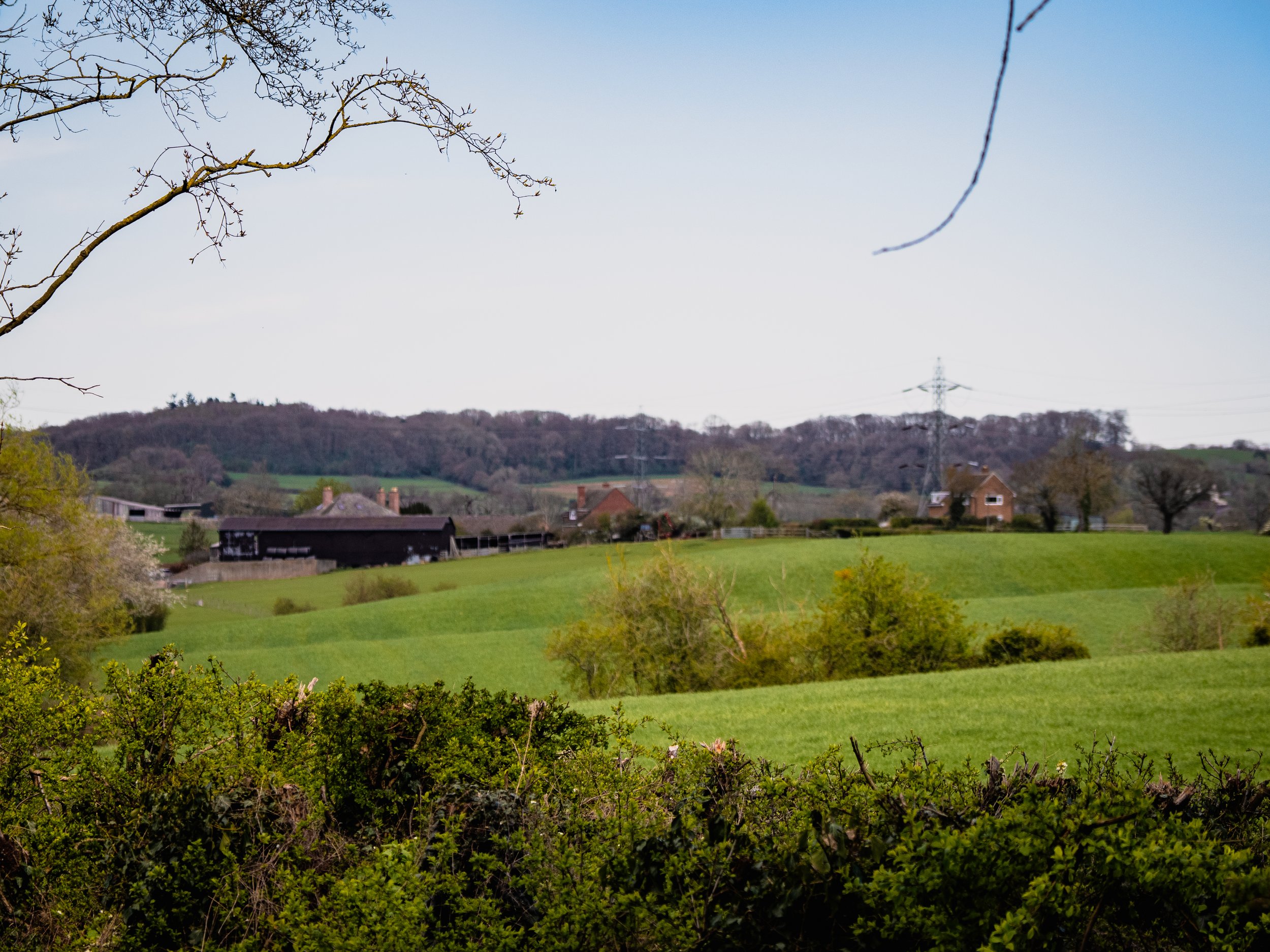
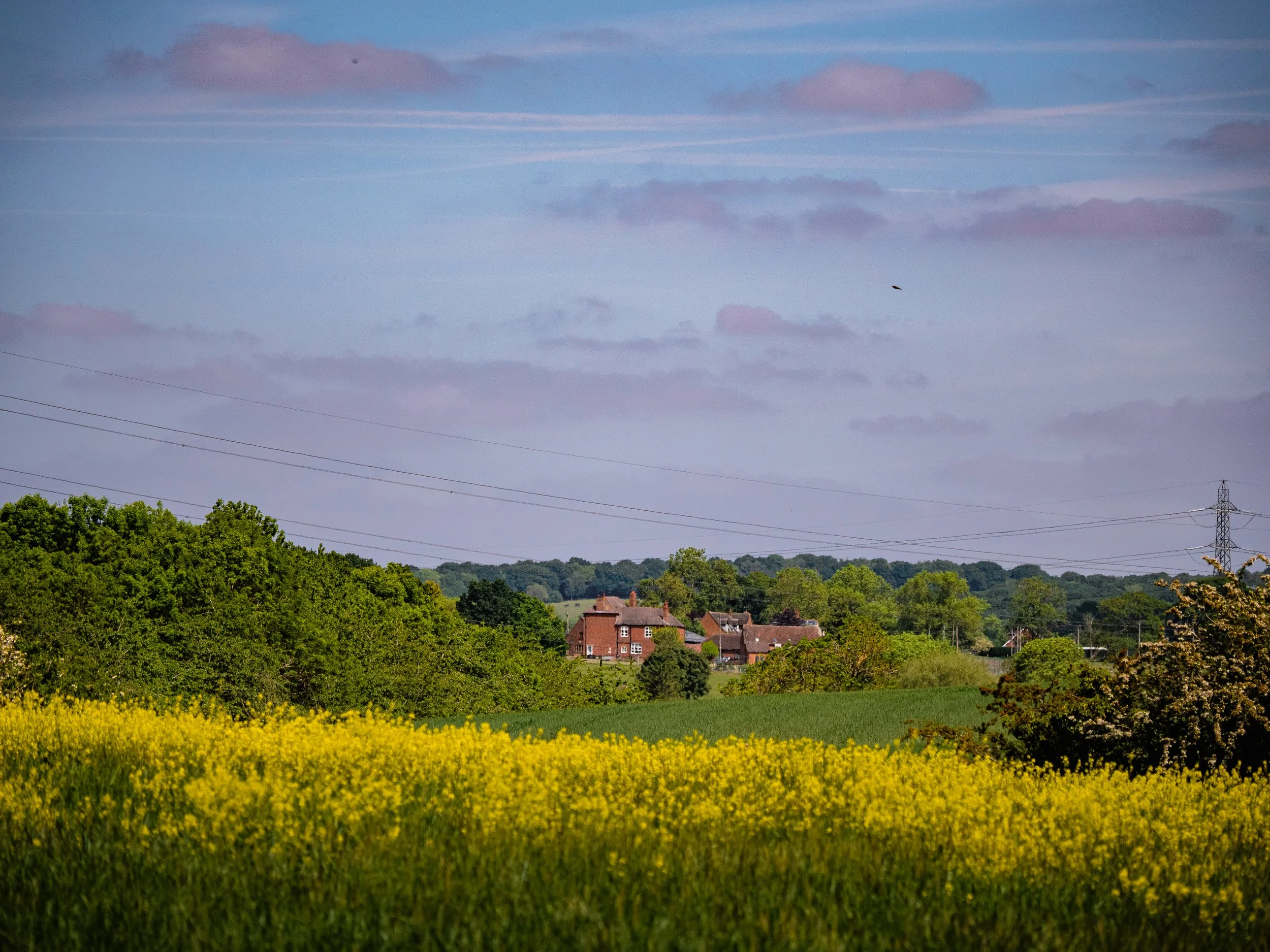
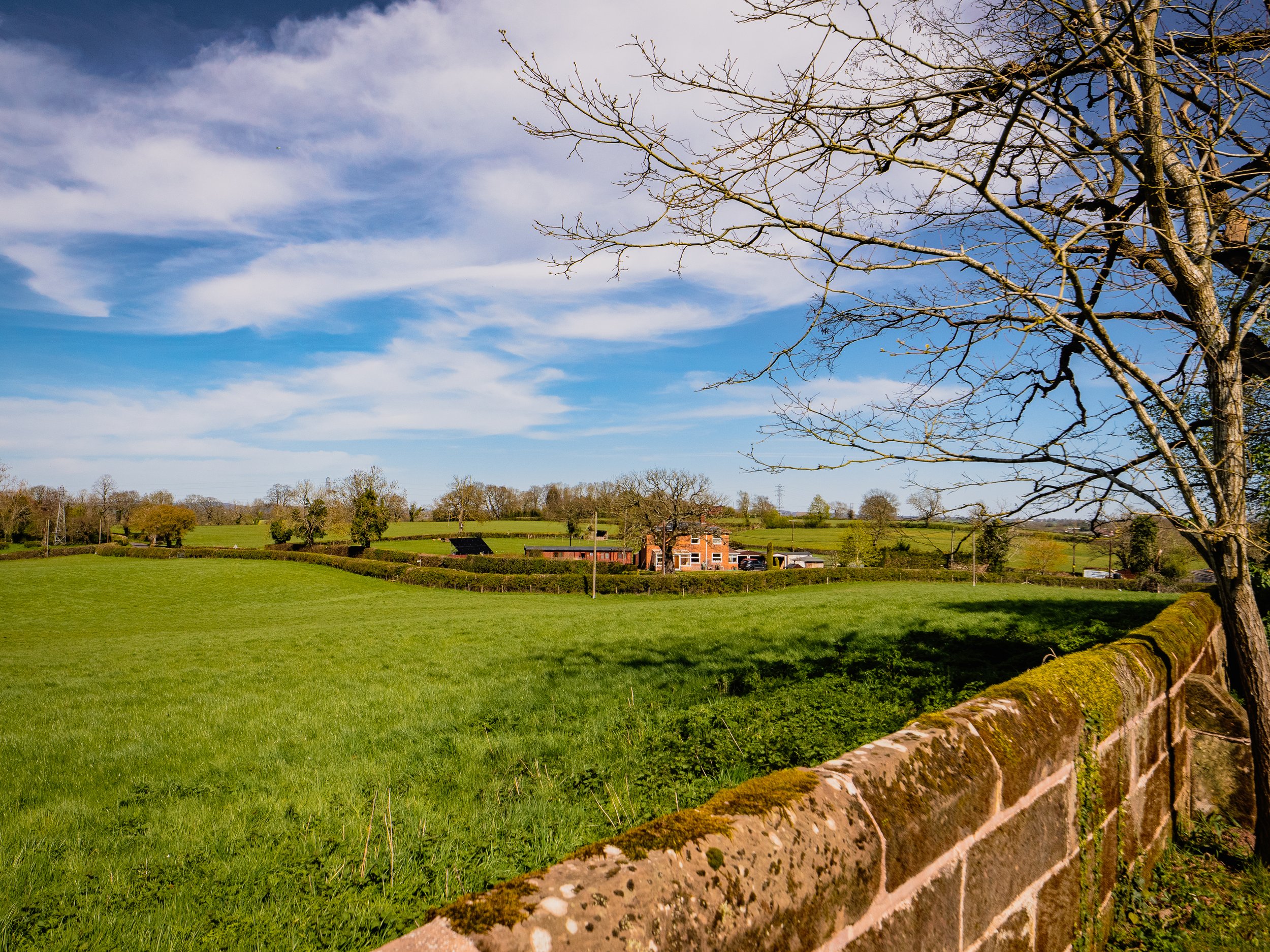
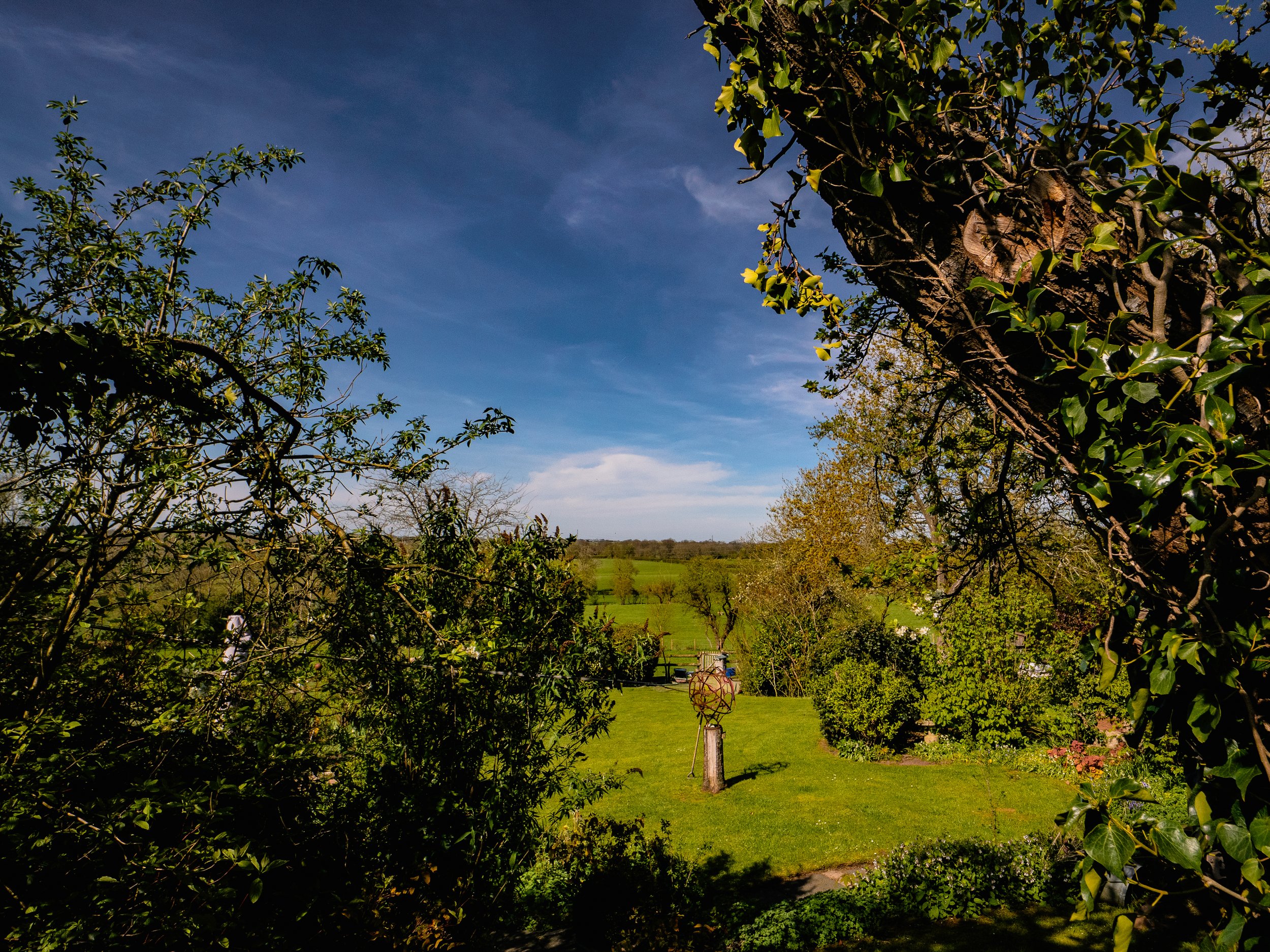
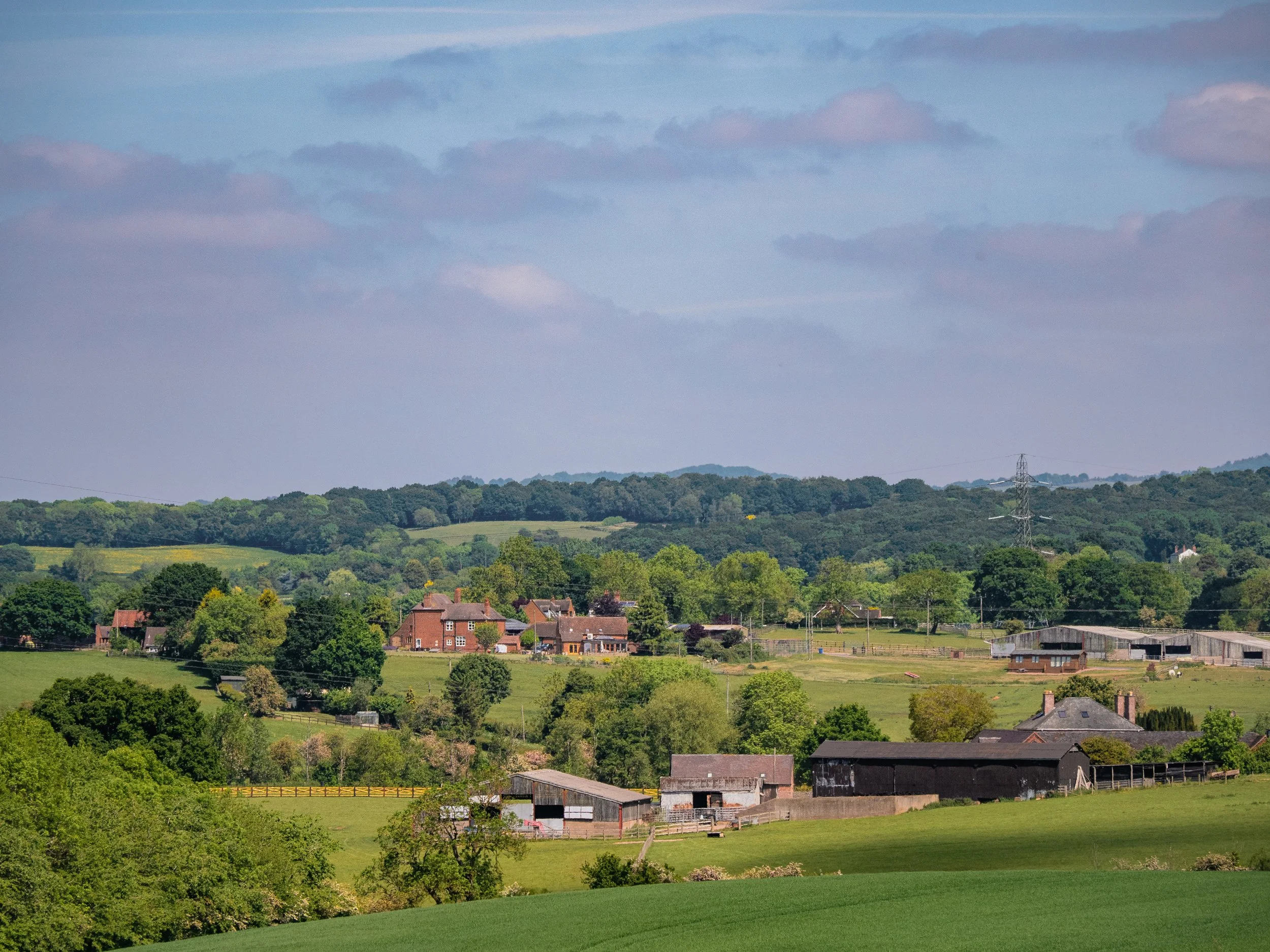
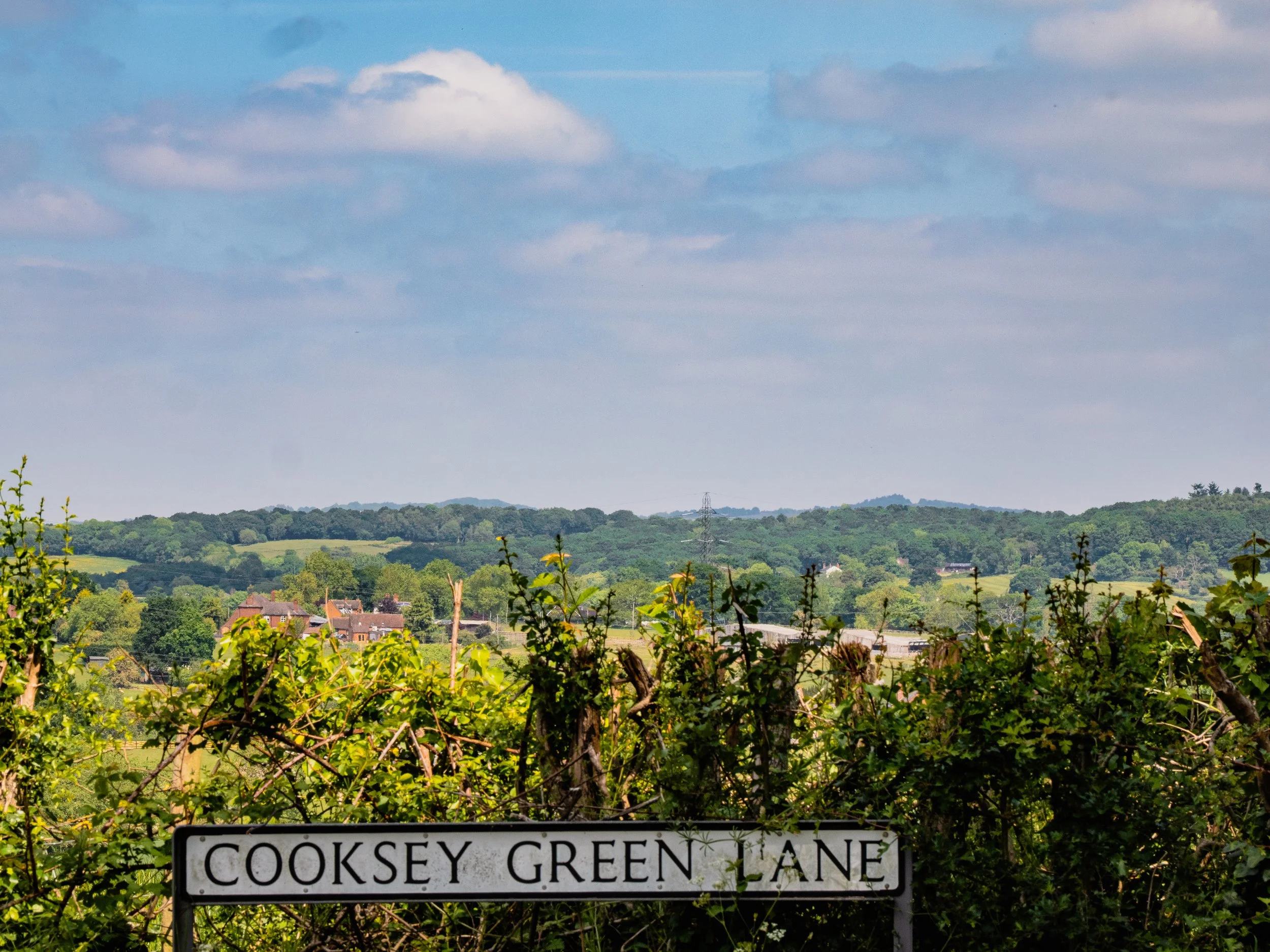
Over the last couple of years, this is my third trip to Cooksey Green. As I stated in the previous post, we took the train from Birmingham to Droitwich, then took an Uber out to Cooksey Green. Cooksey Green is a little hamlet in the county of Worcestershire, about 20 miles south of Birmingham. The Domesday Book listed a population of 14.5 households in 1086. There are a few more than that now, at about 350 residents.
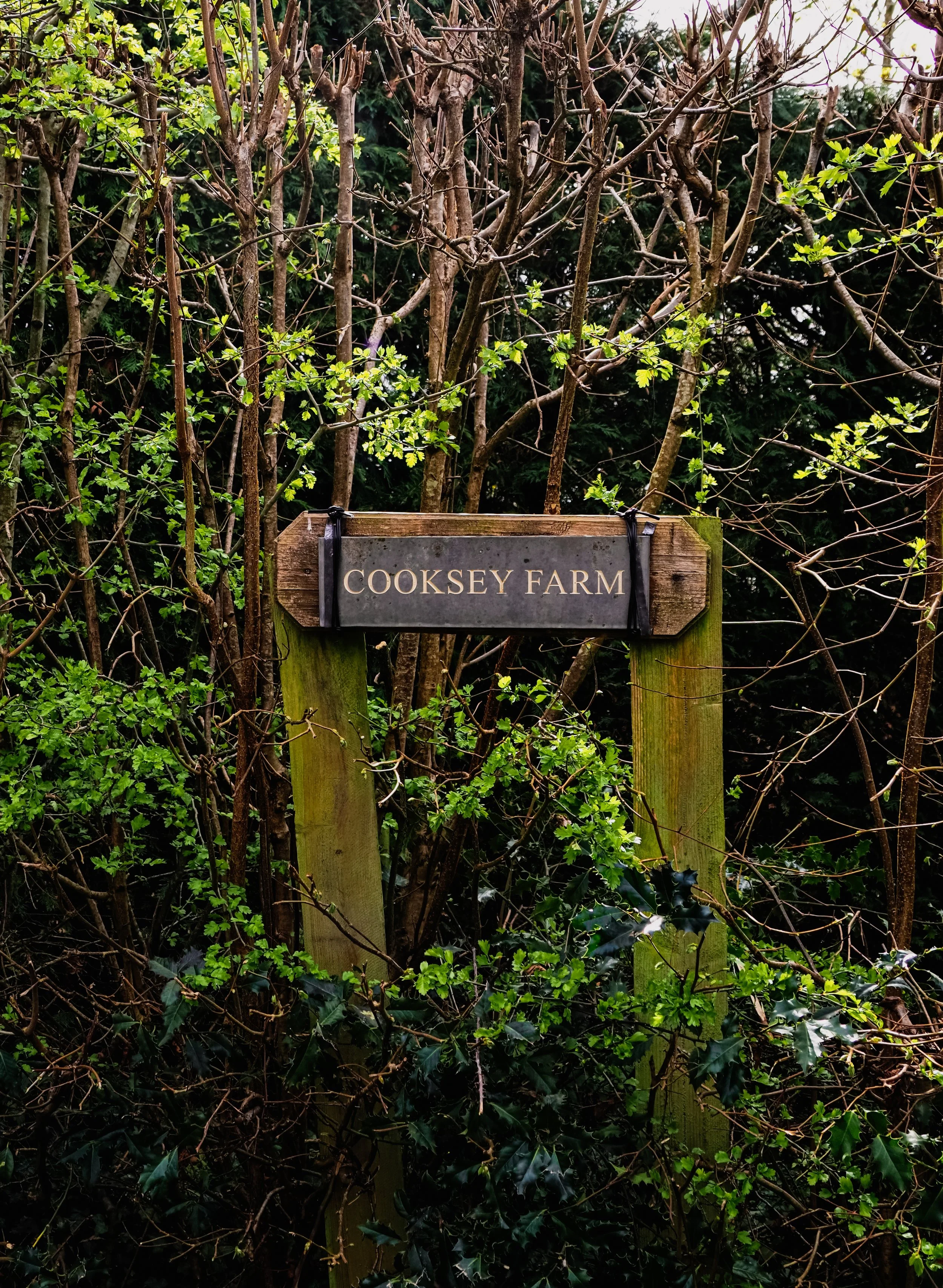
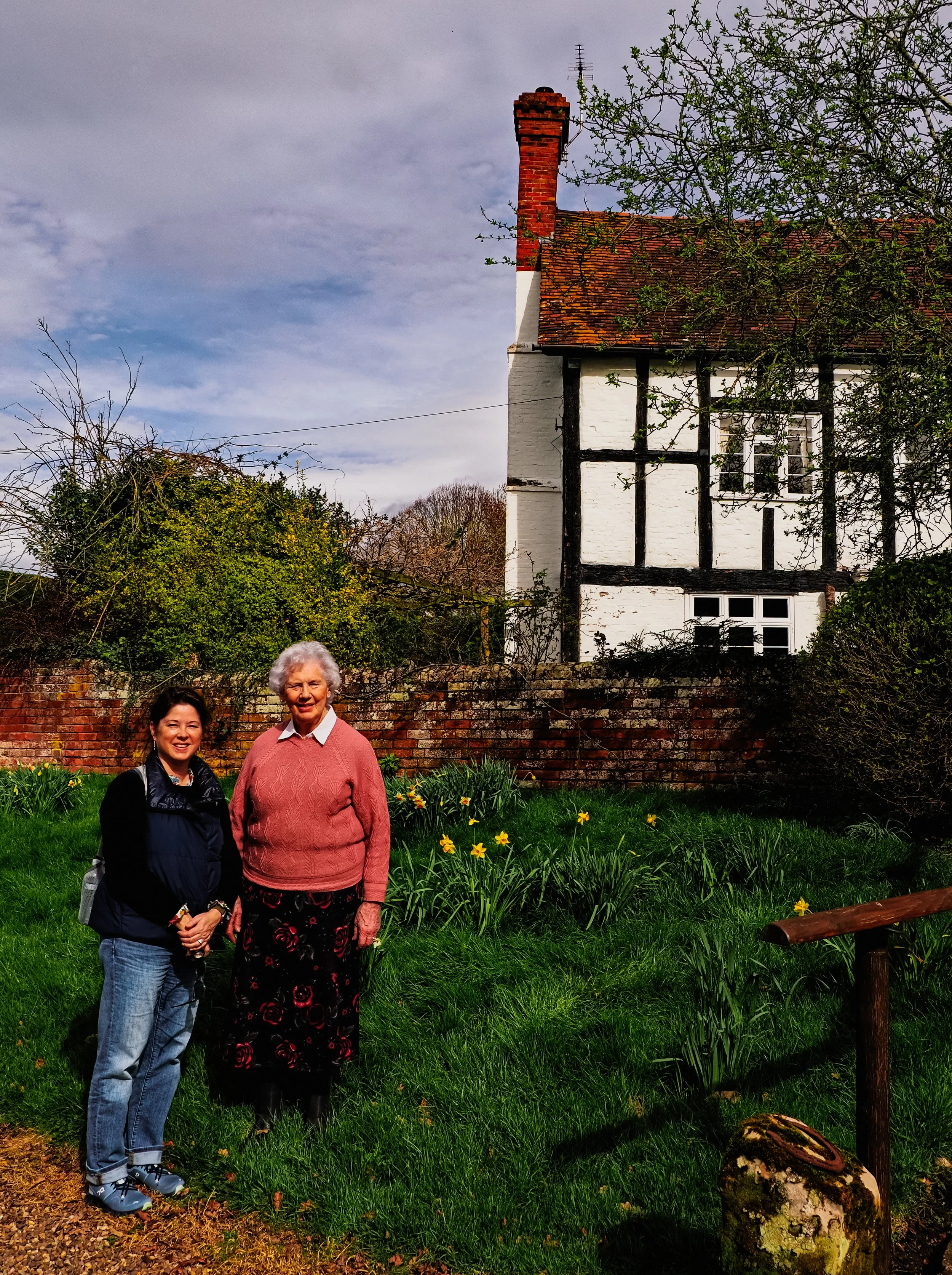
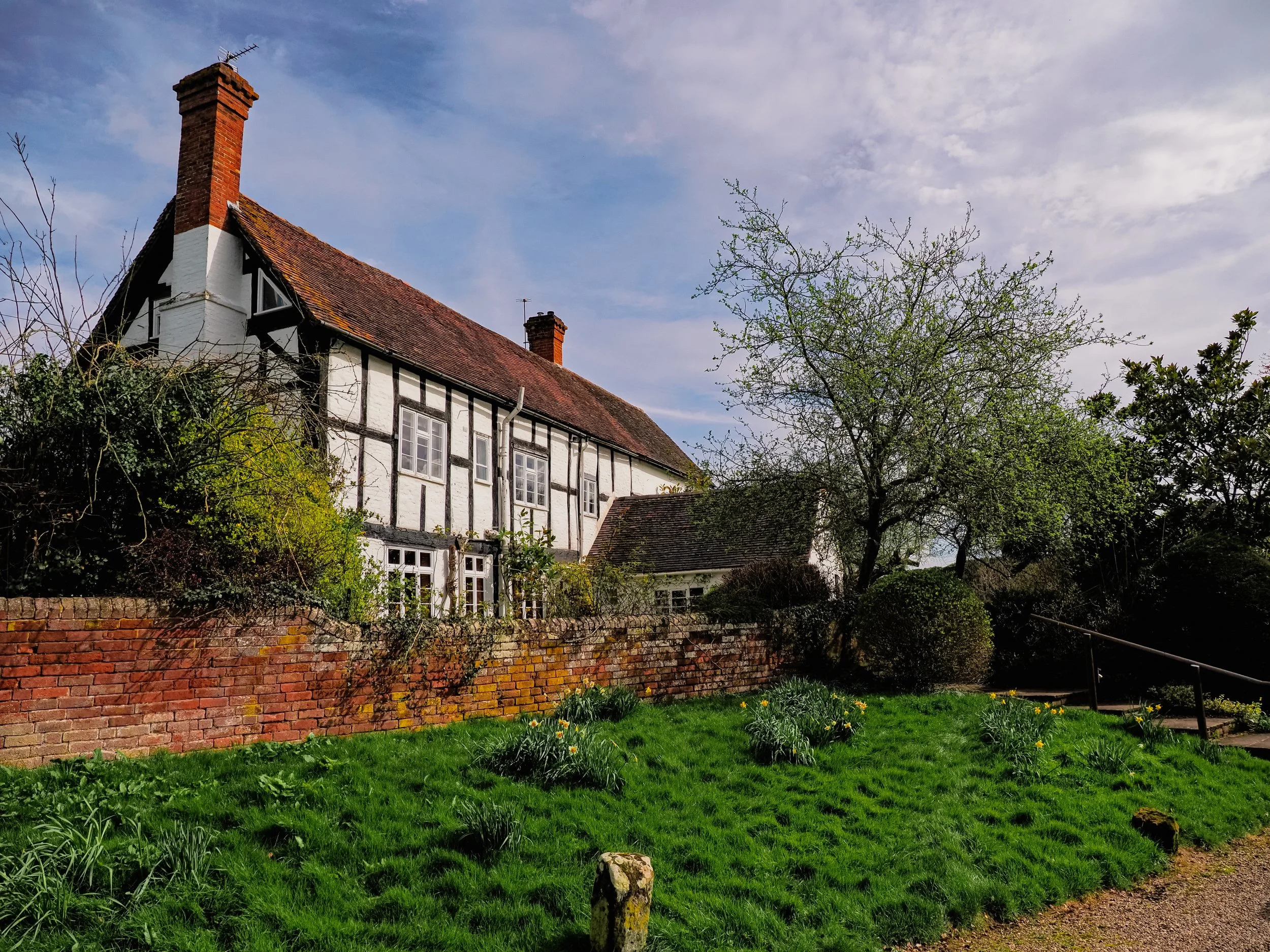
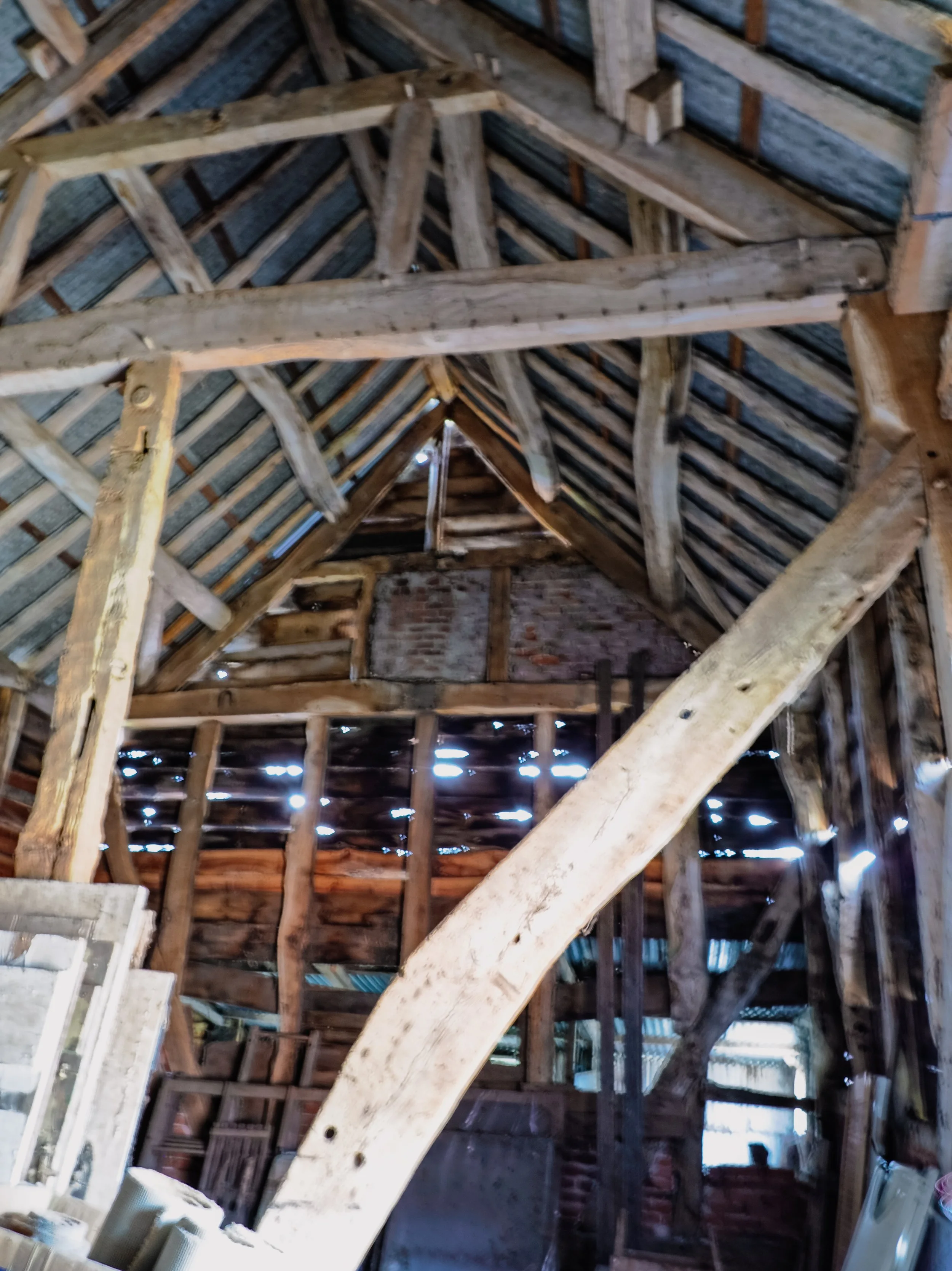
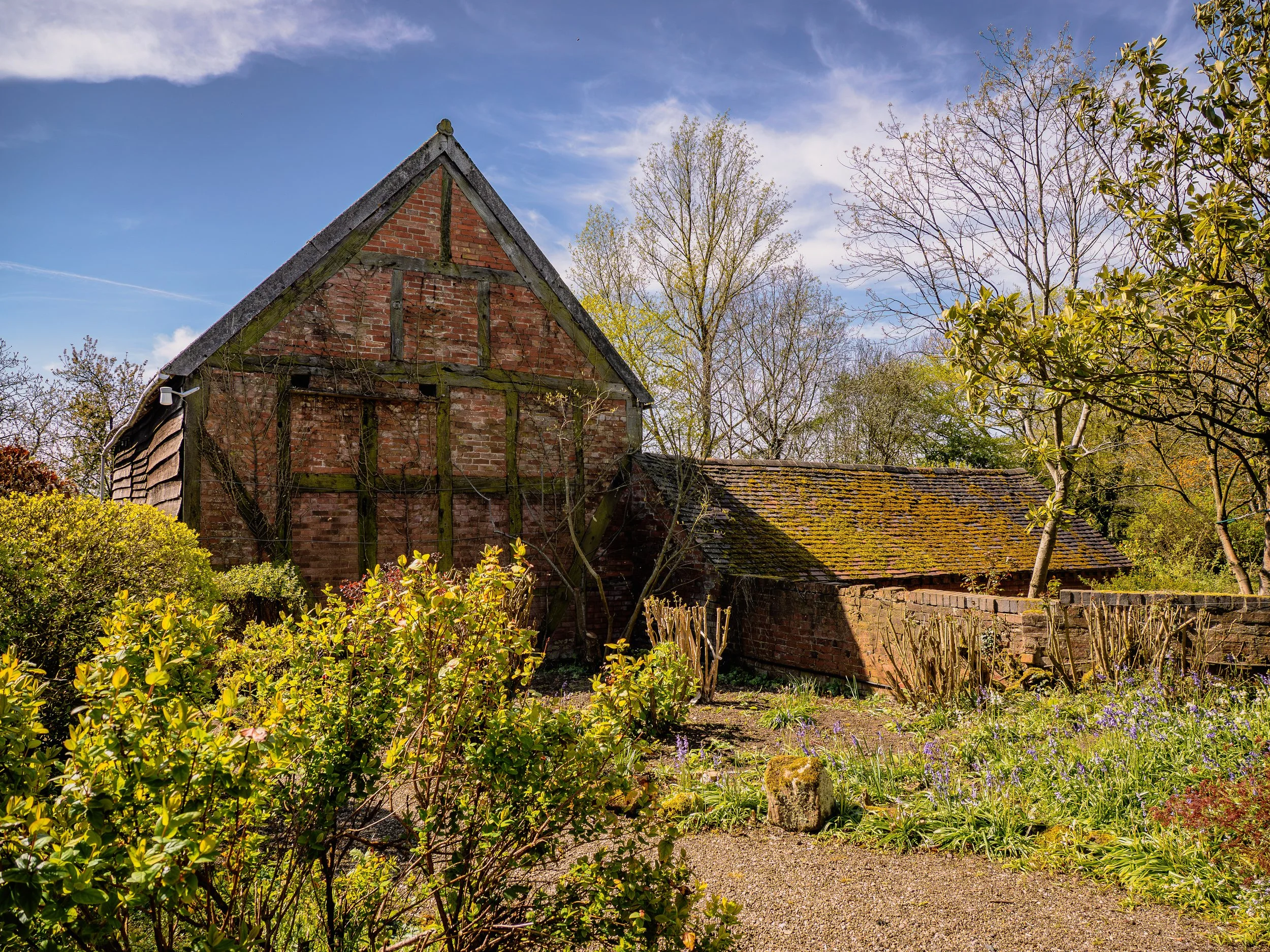
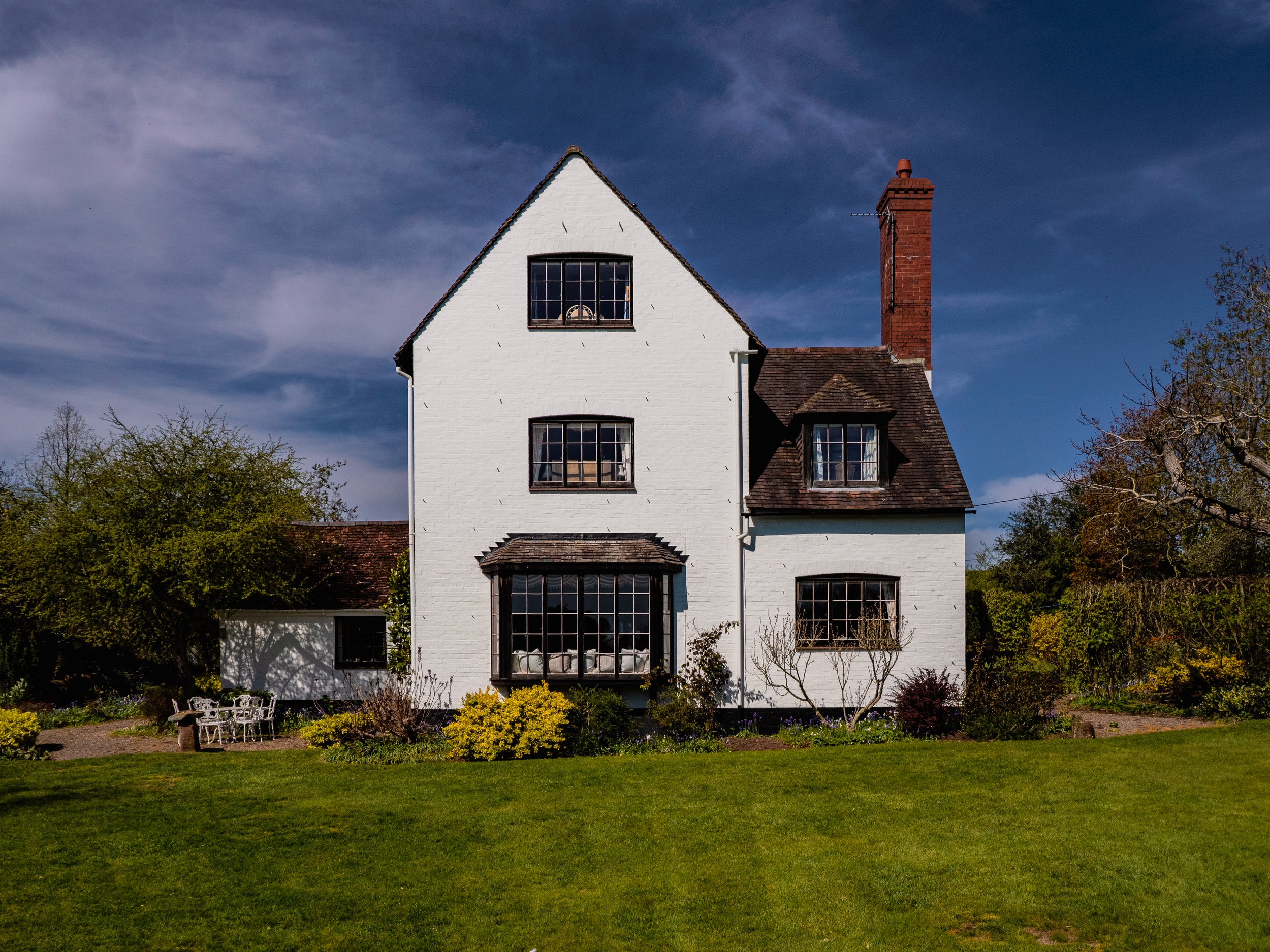
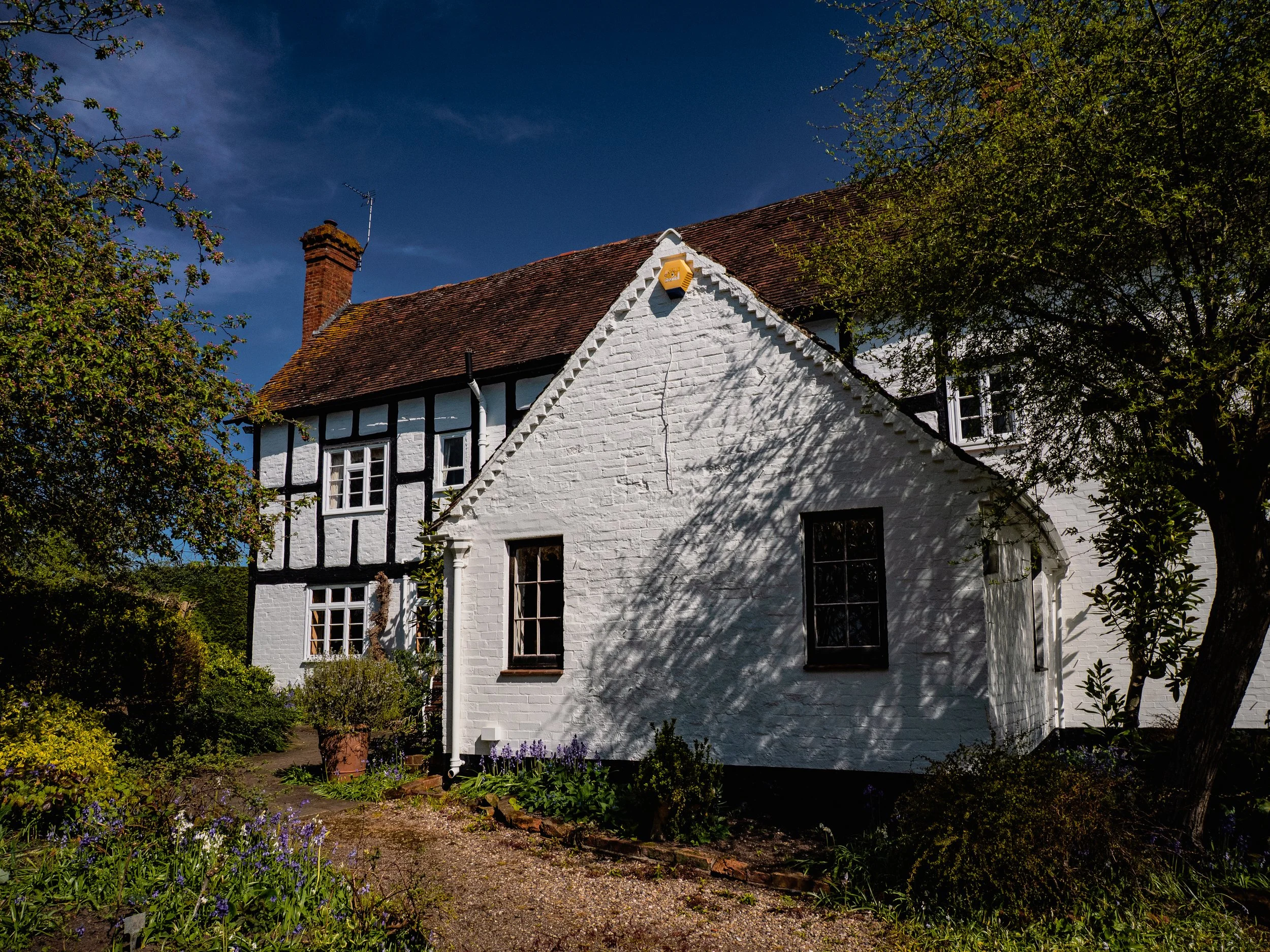
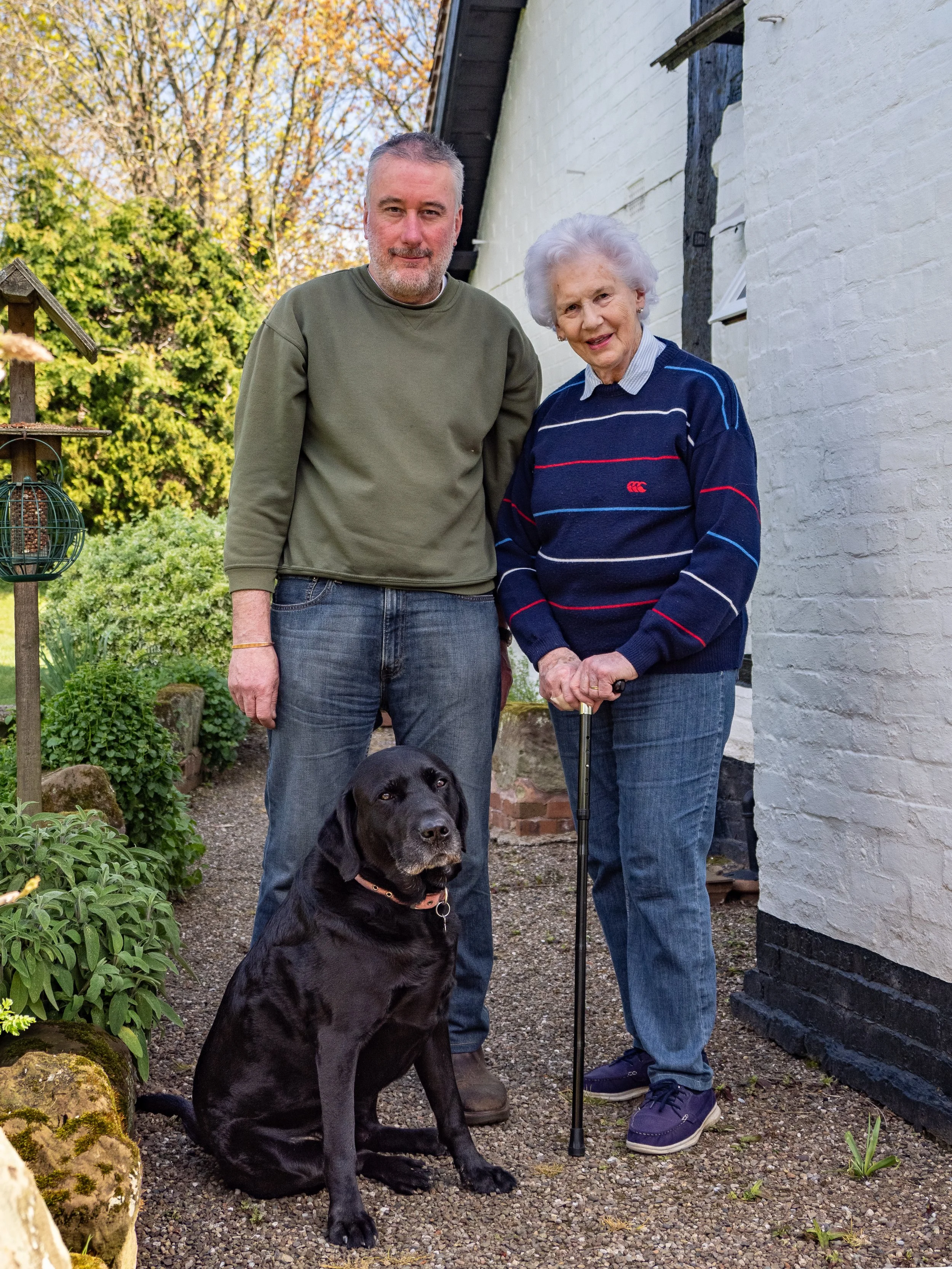
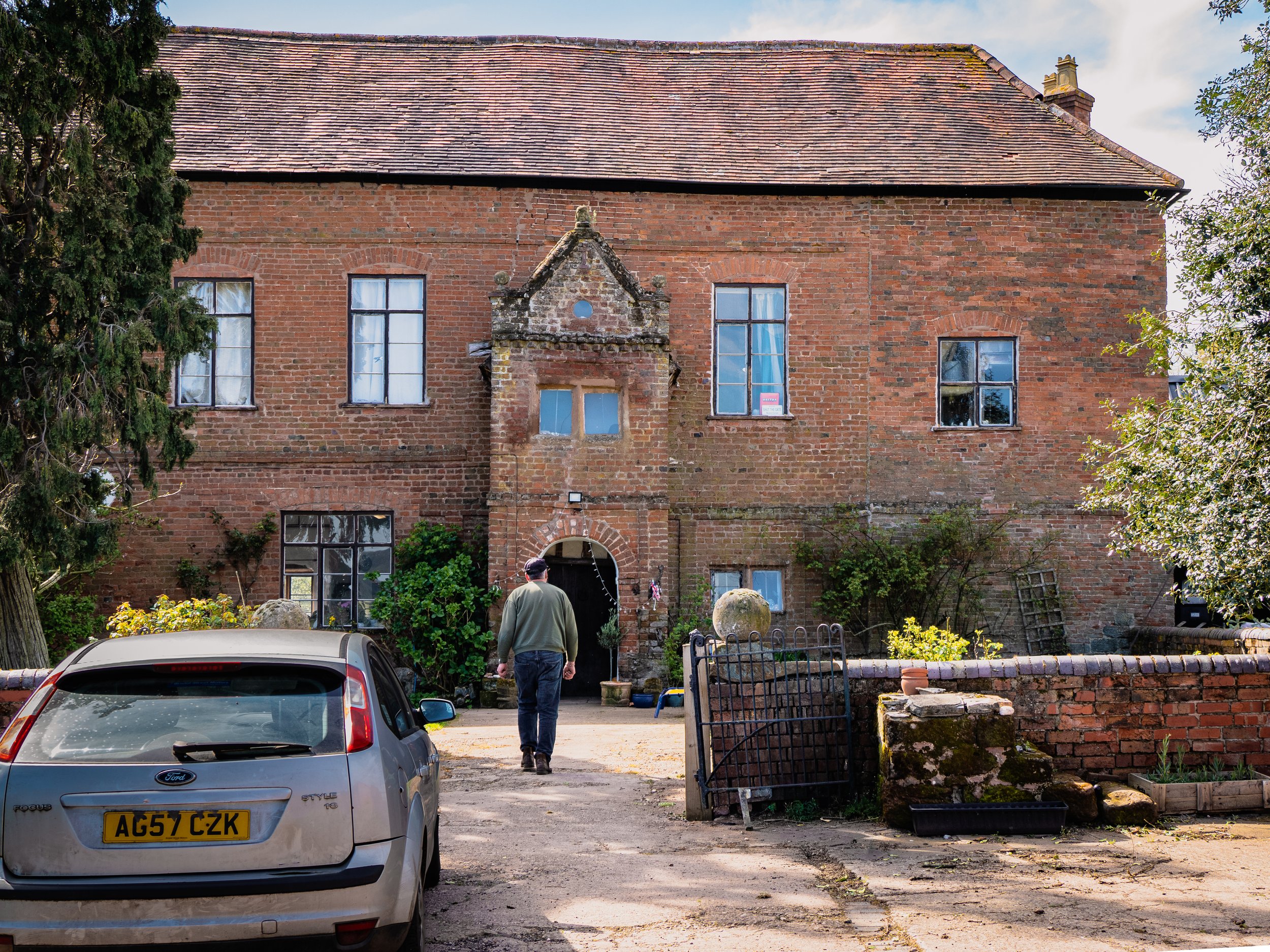
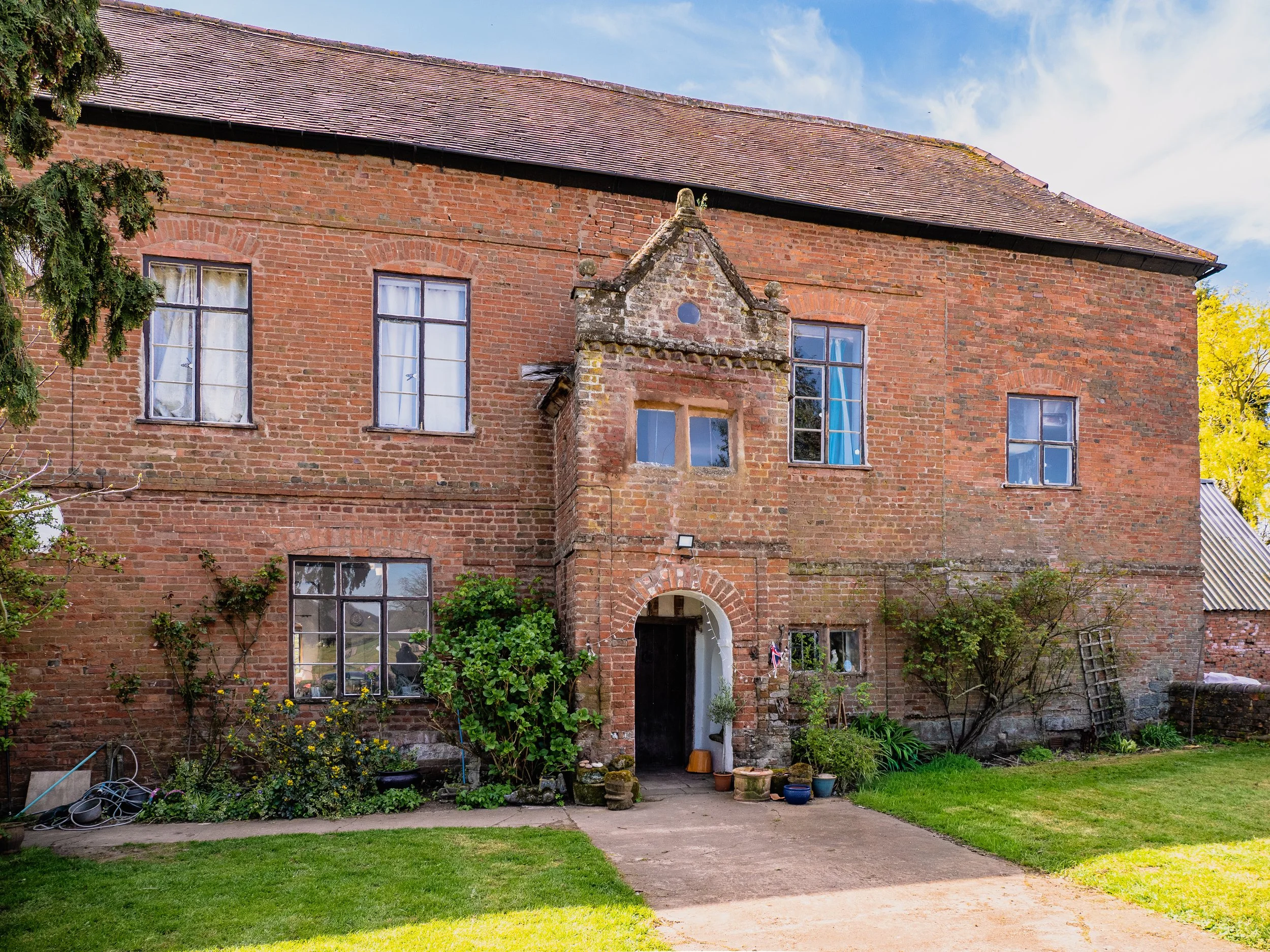
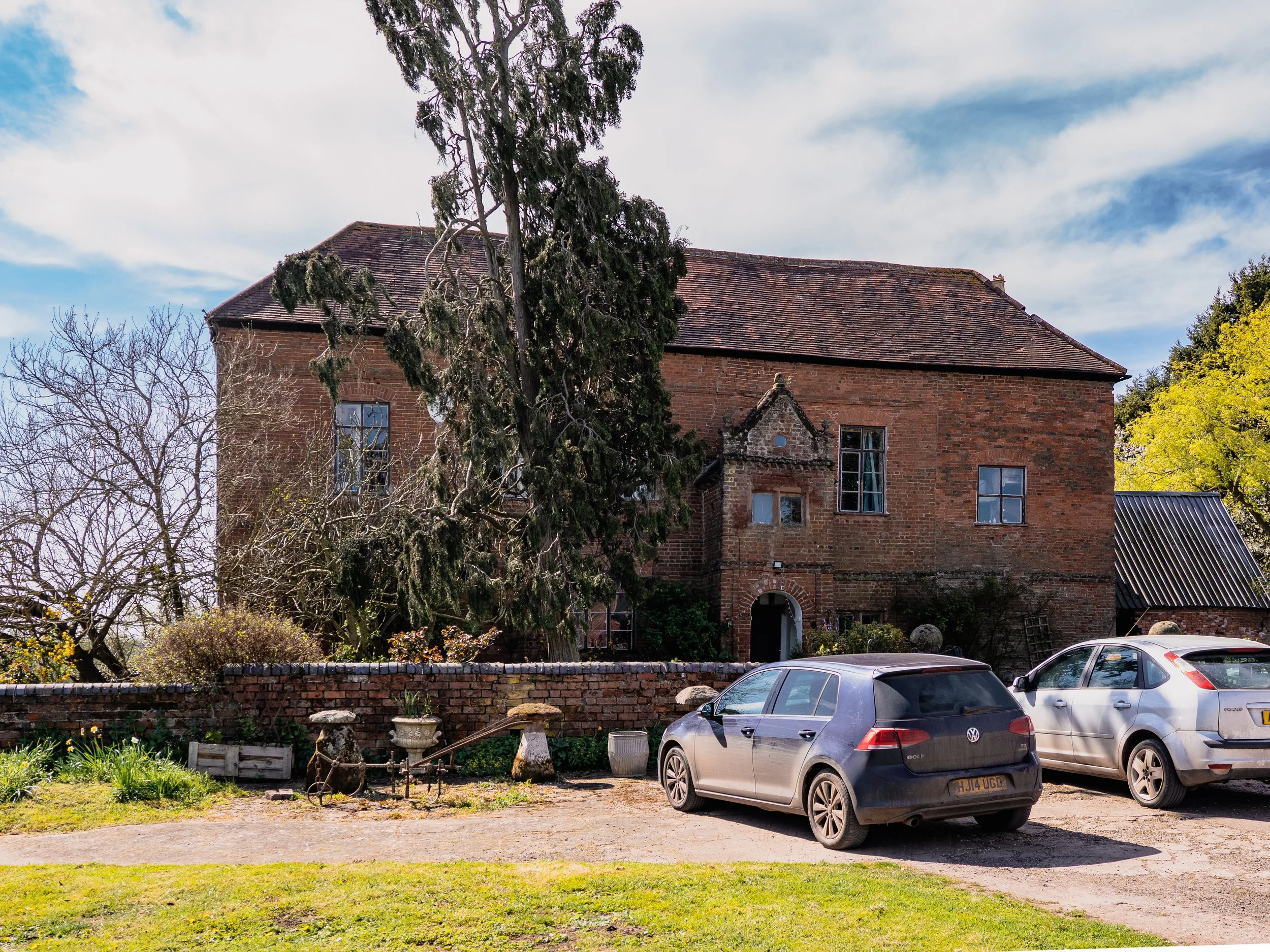
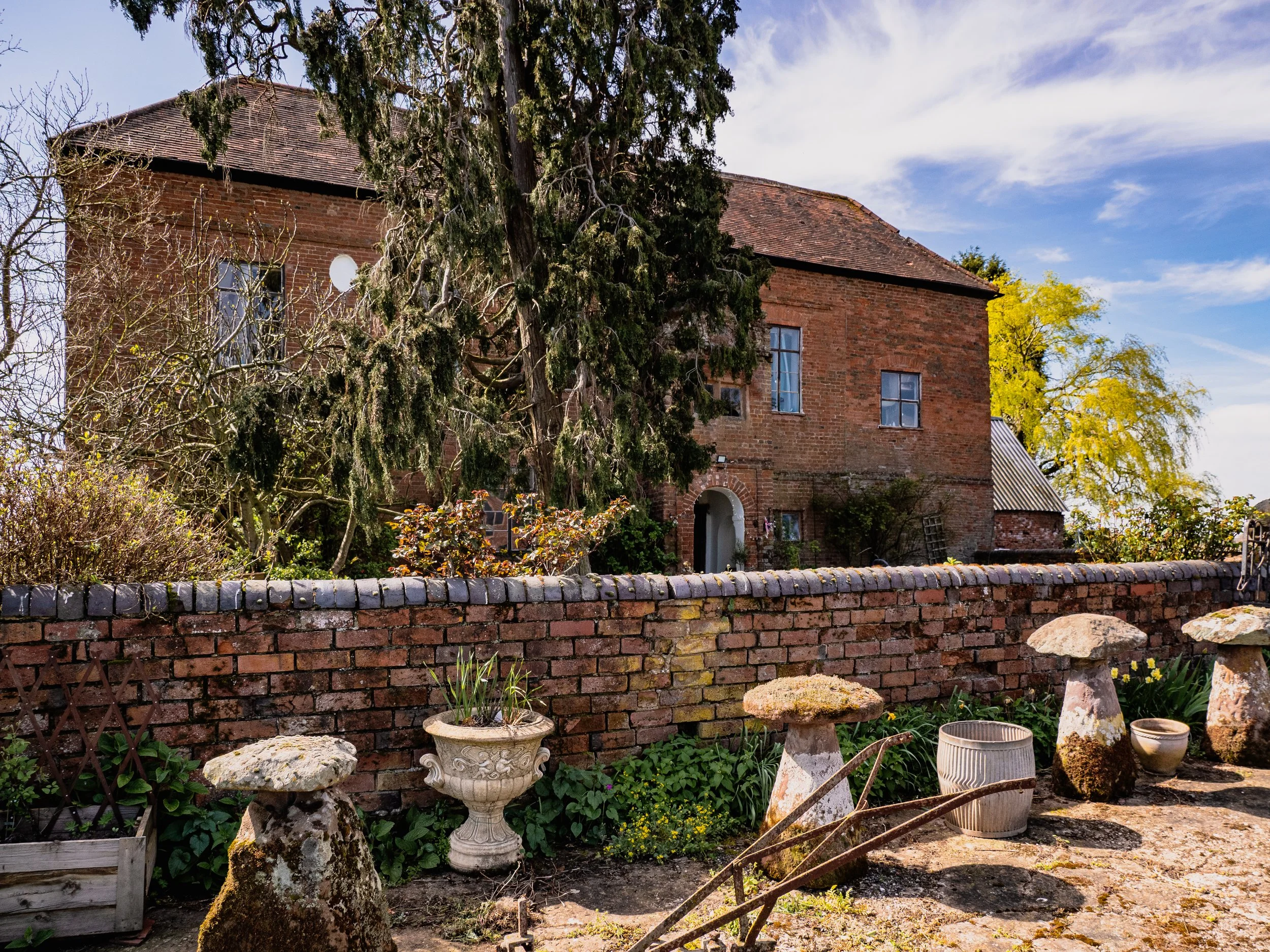
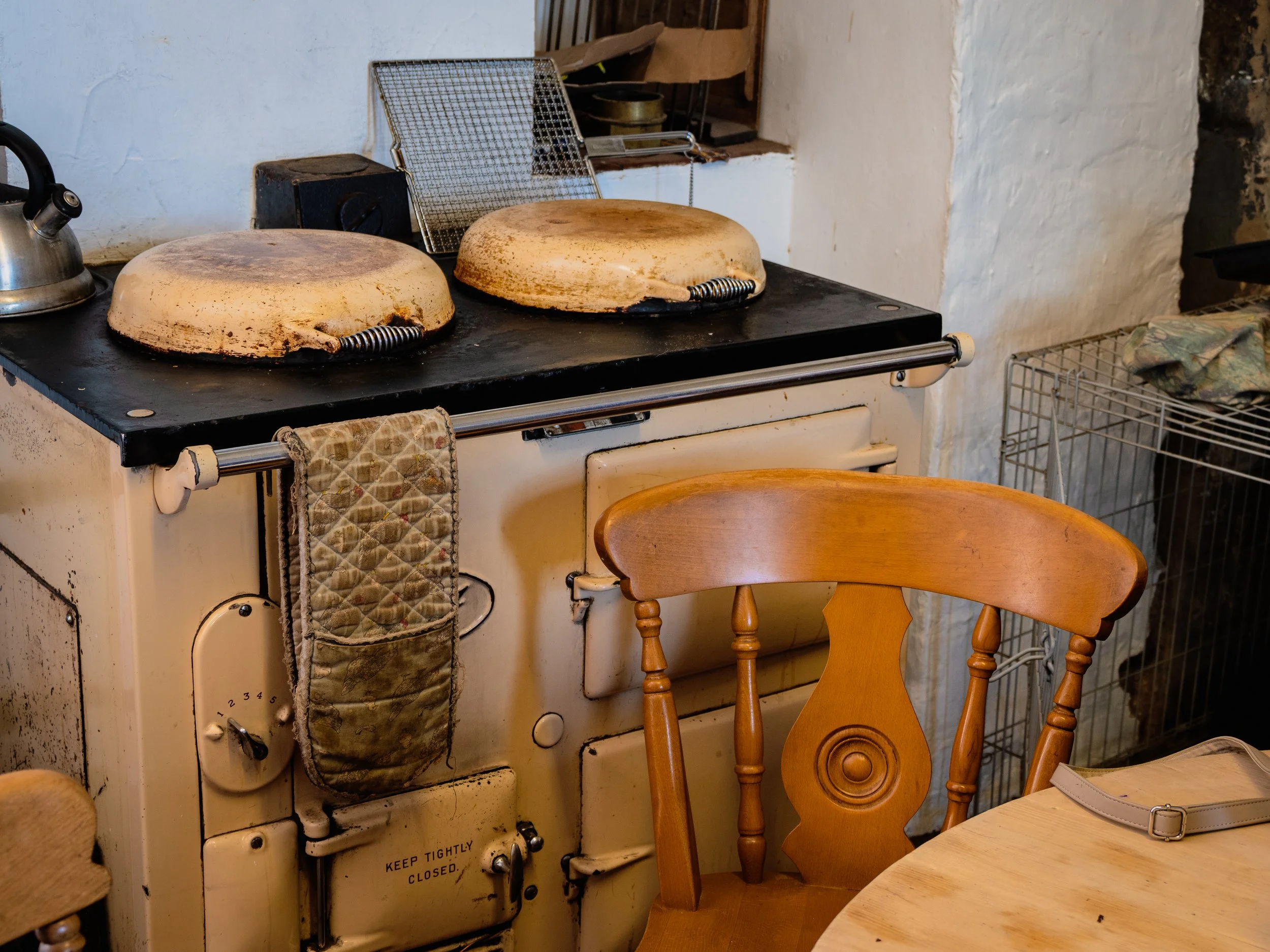
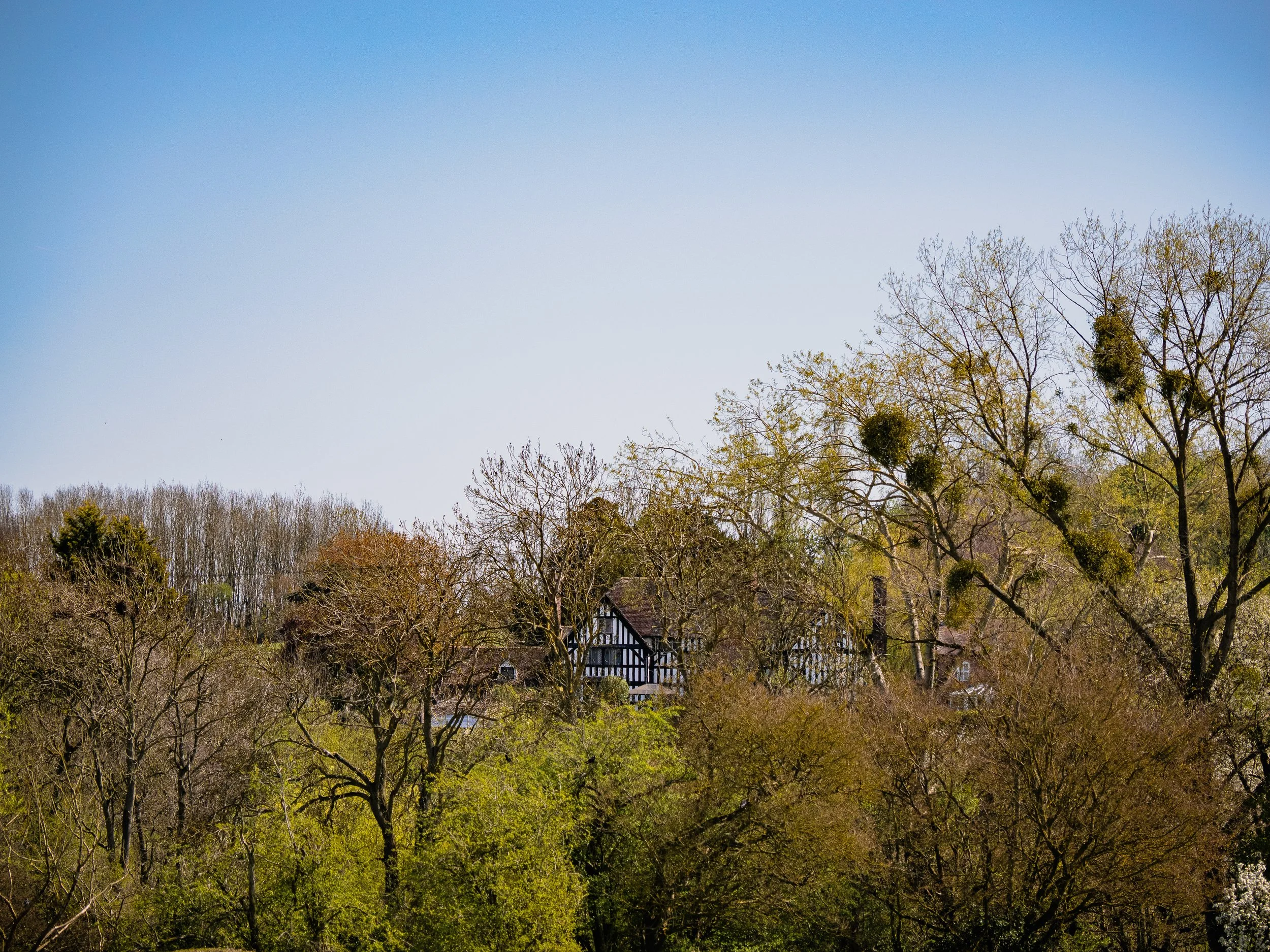
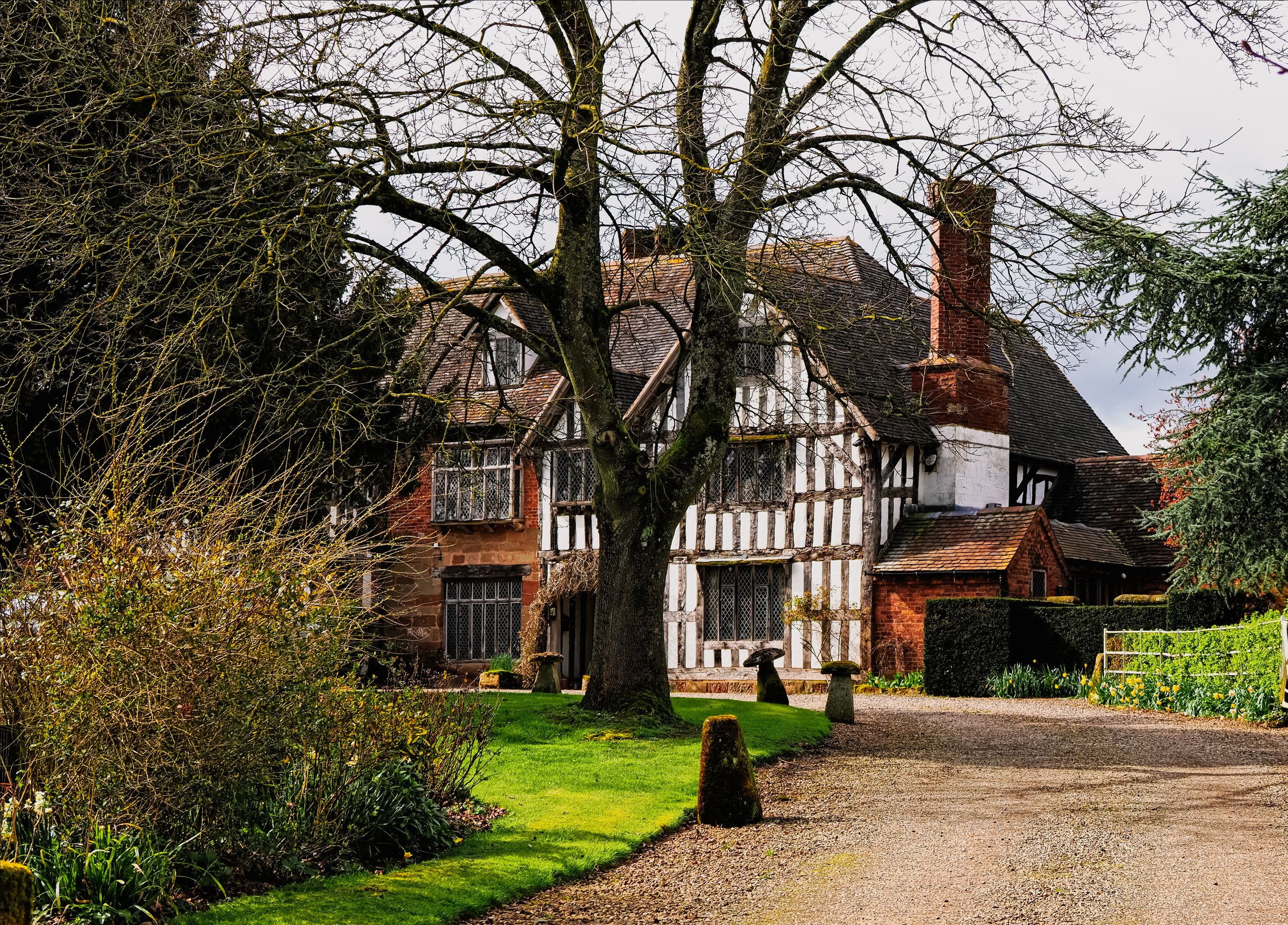
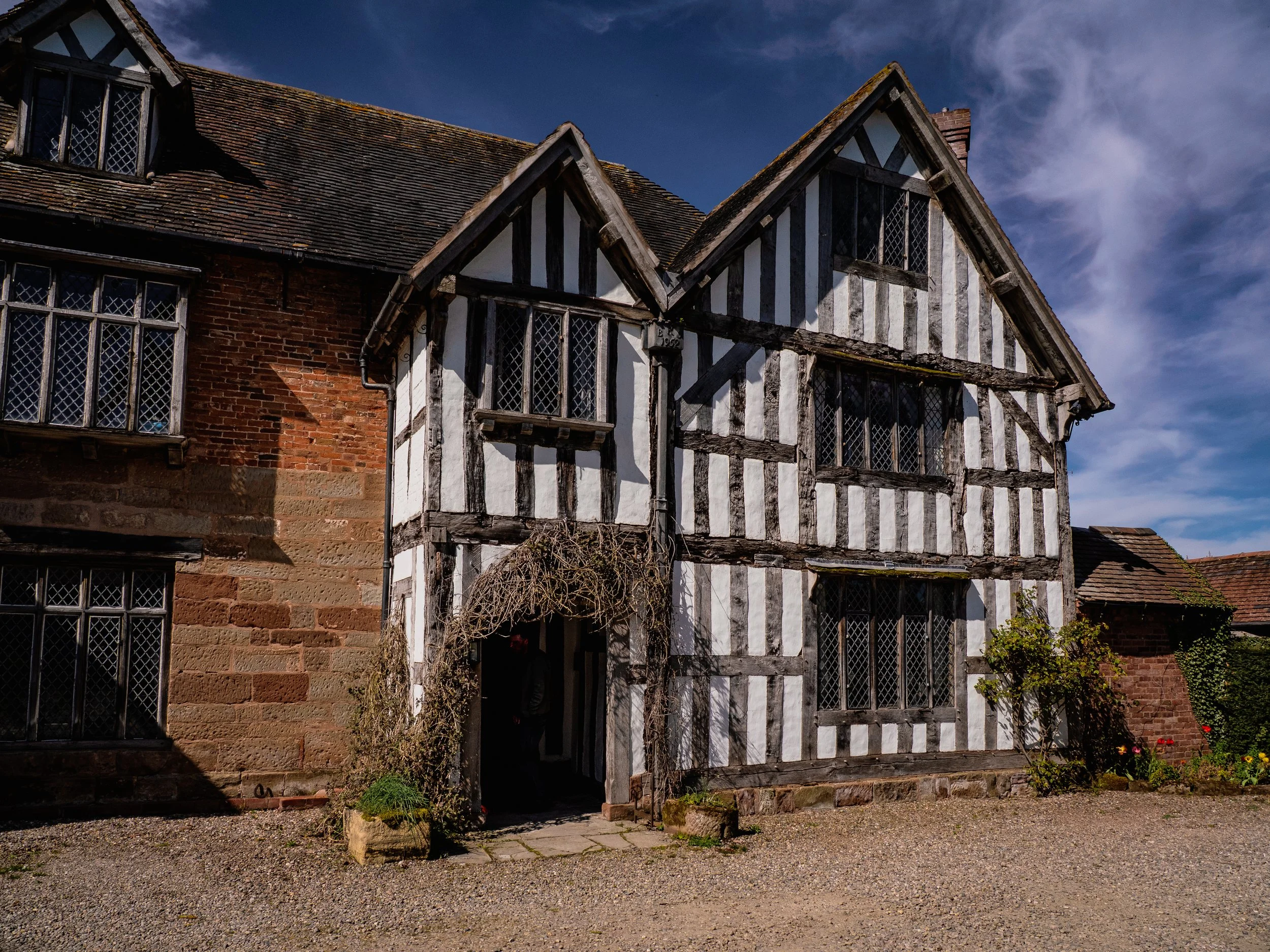
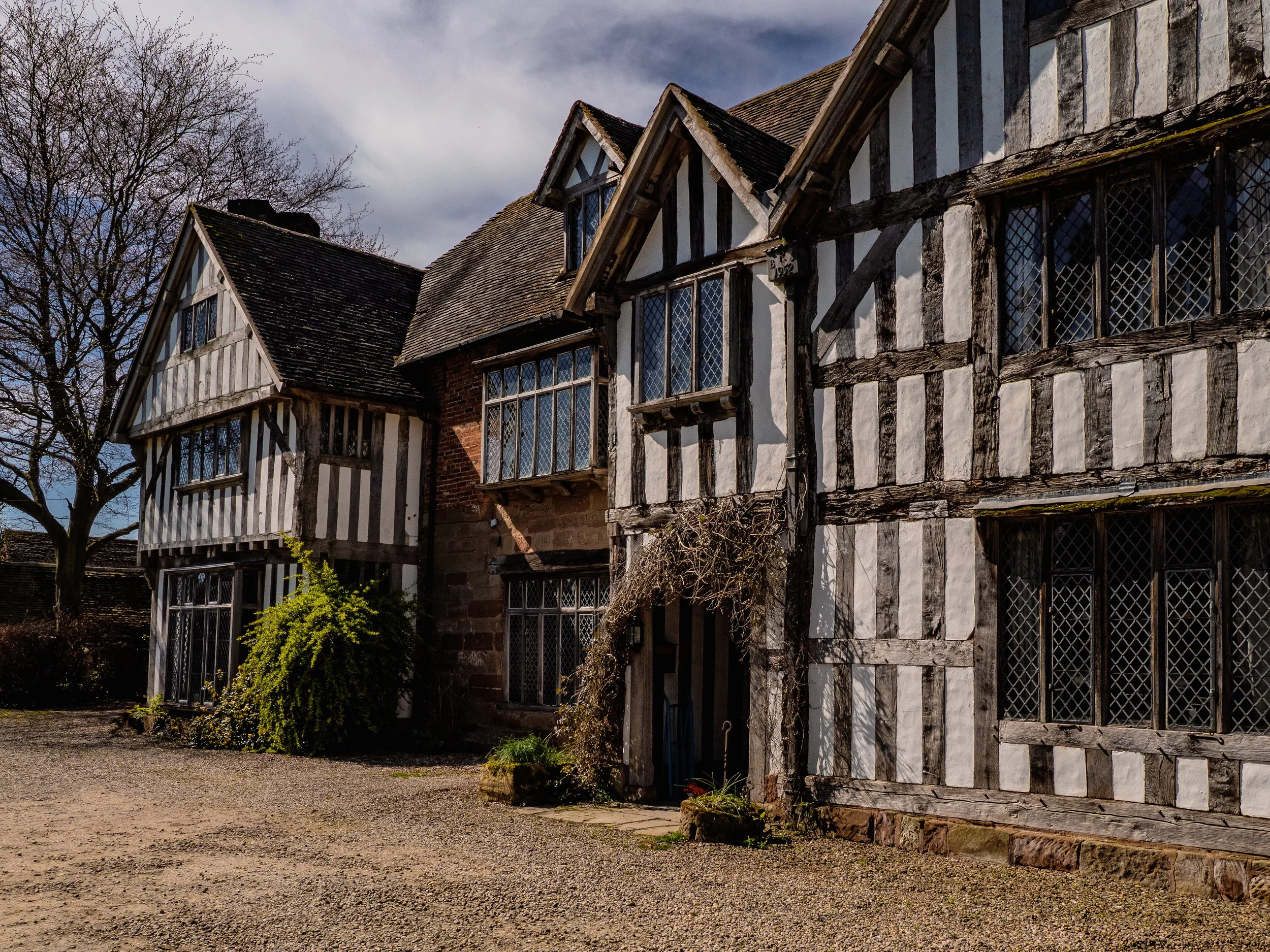
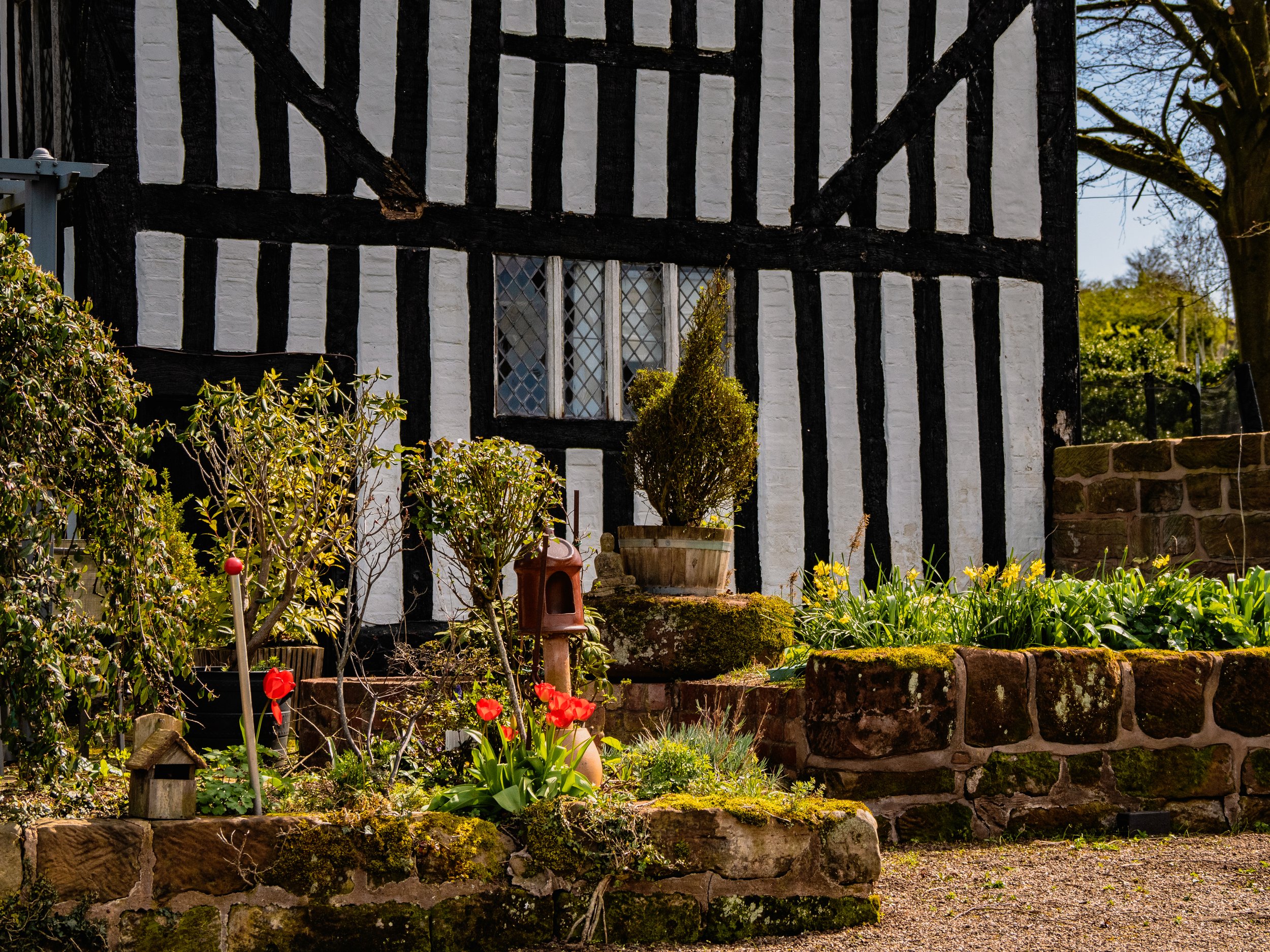
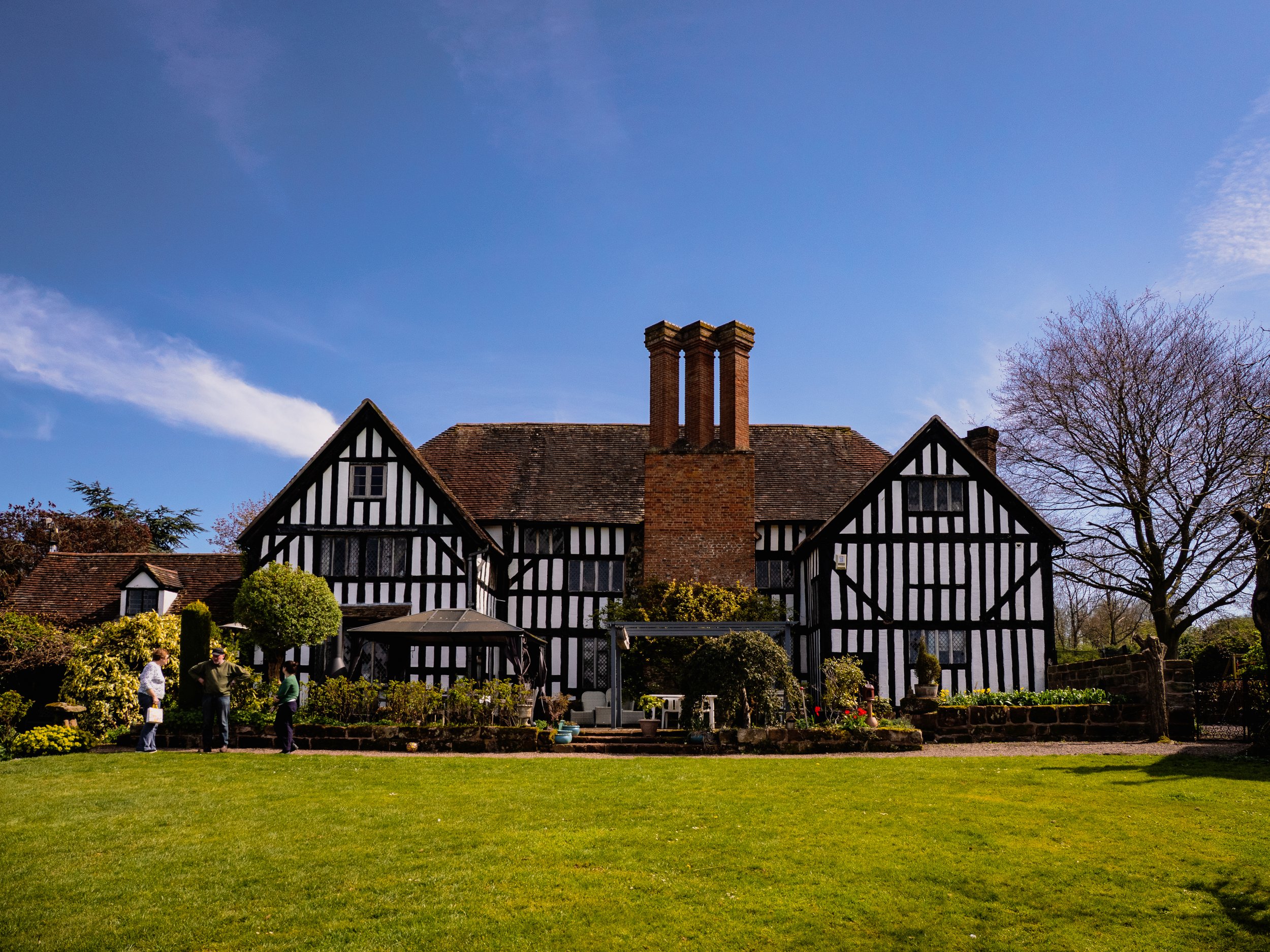
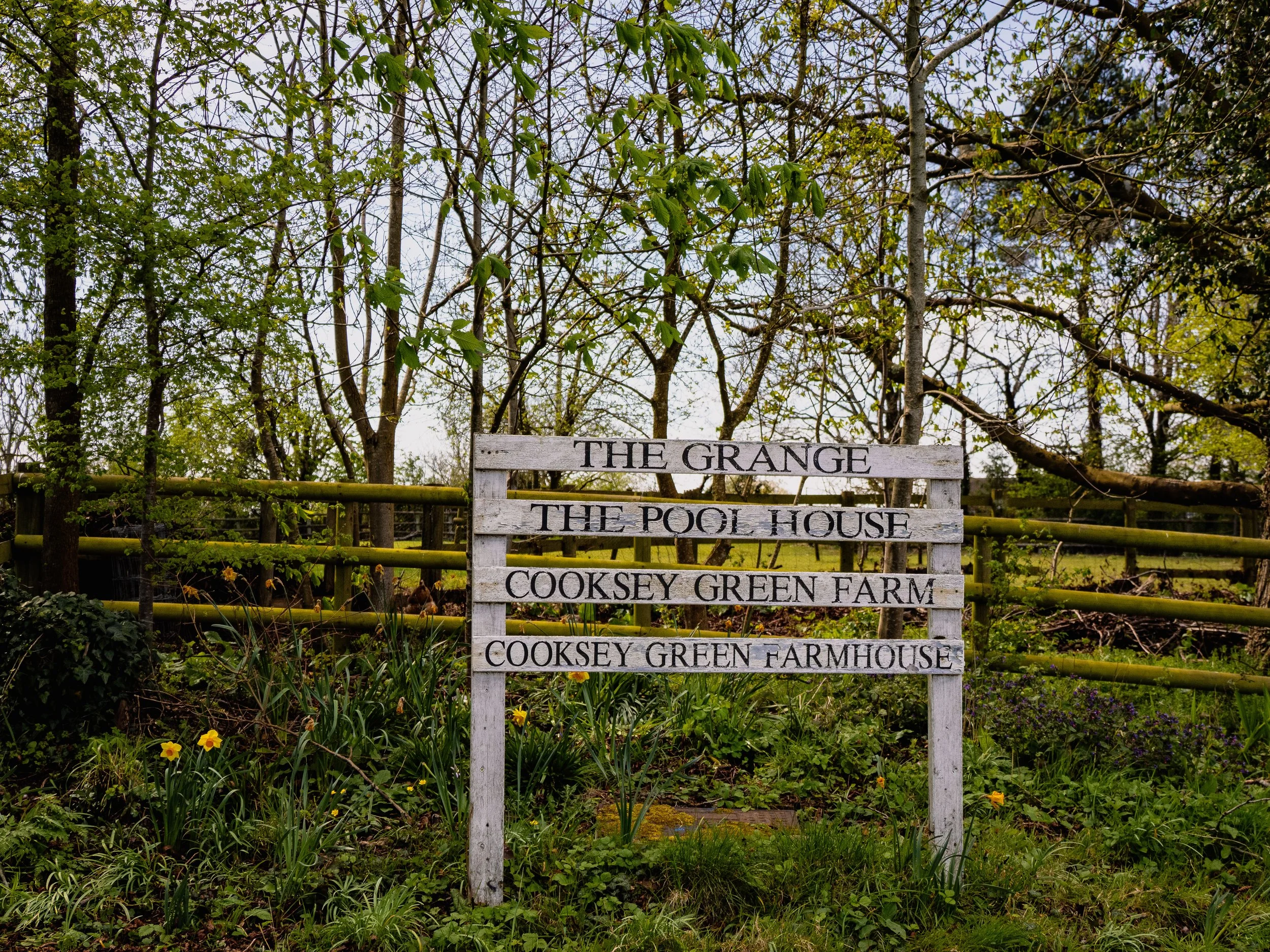
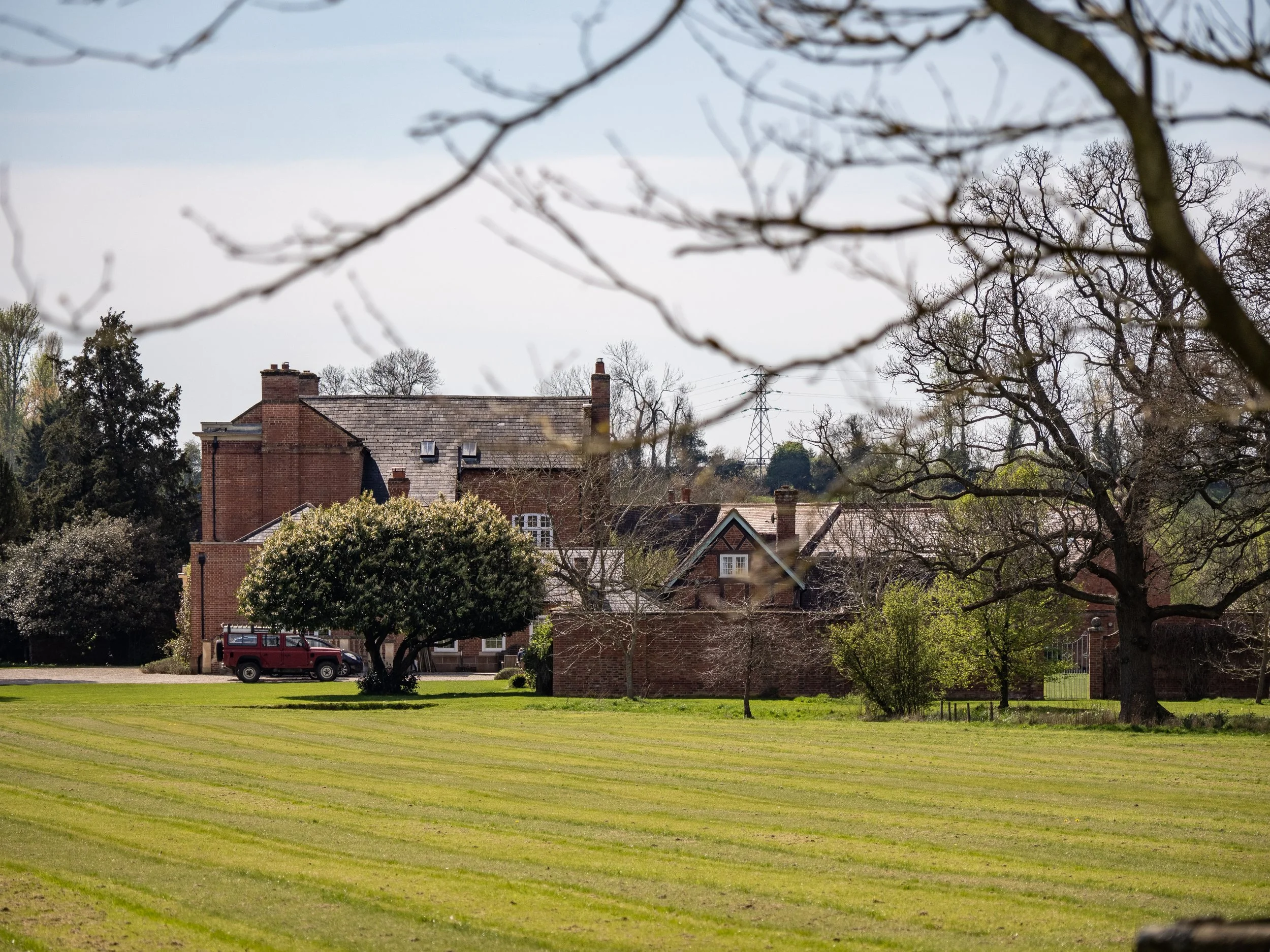
One of those residents is Mrs. Elizabeth Landale. We met Mrs. Landale in 2024 when we were first exploring the area and I knocked on her door, unannounced. She was kind enough to tell us a little more about the area and her own property at Cooksey Farm. The main house was constructed in the 1580s, and other buildings on the estate were built sometime before that.
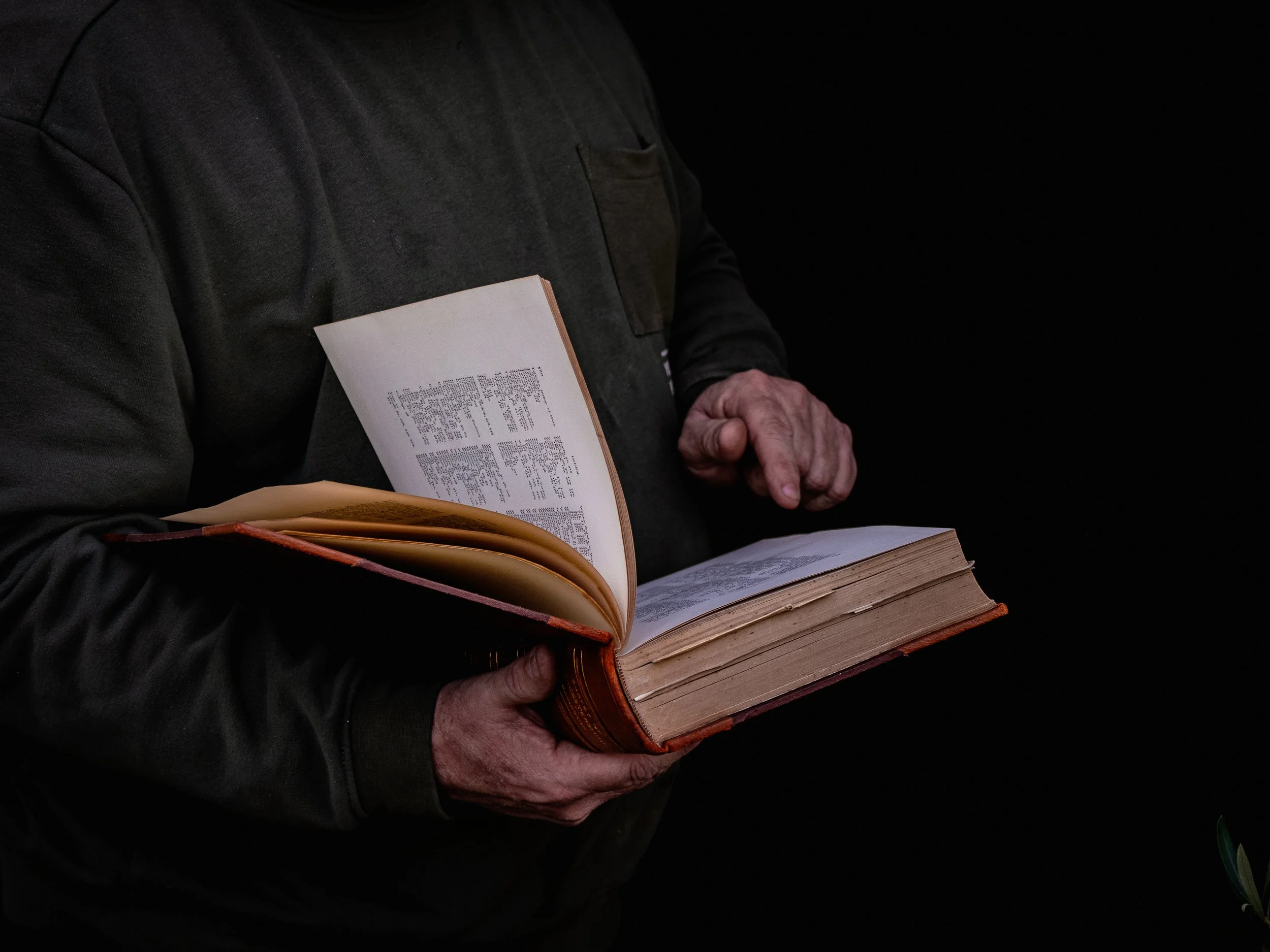
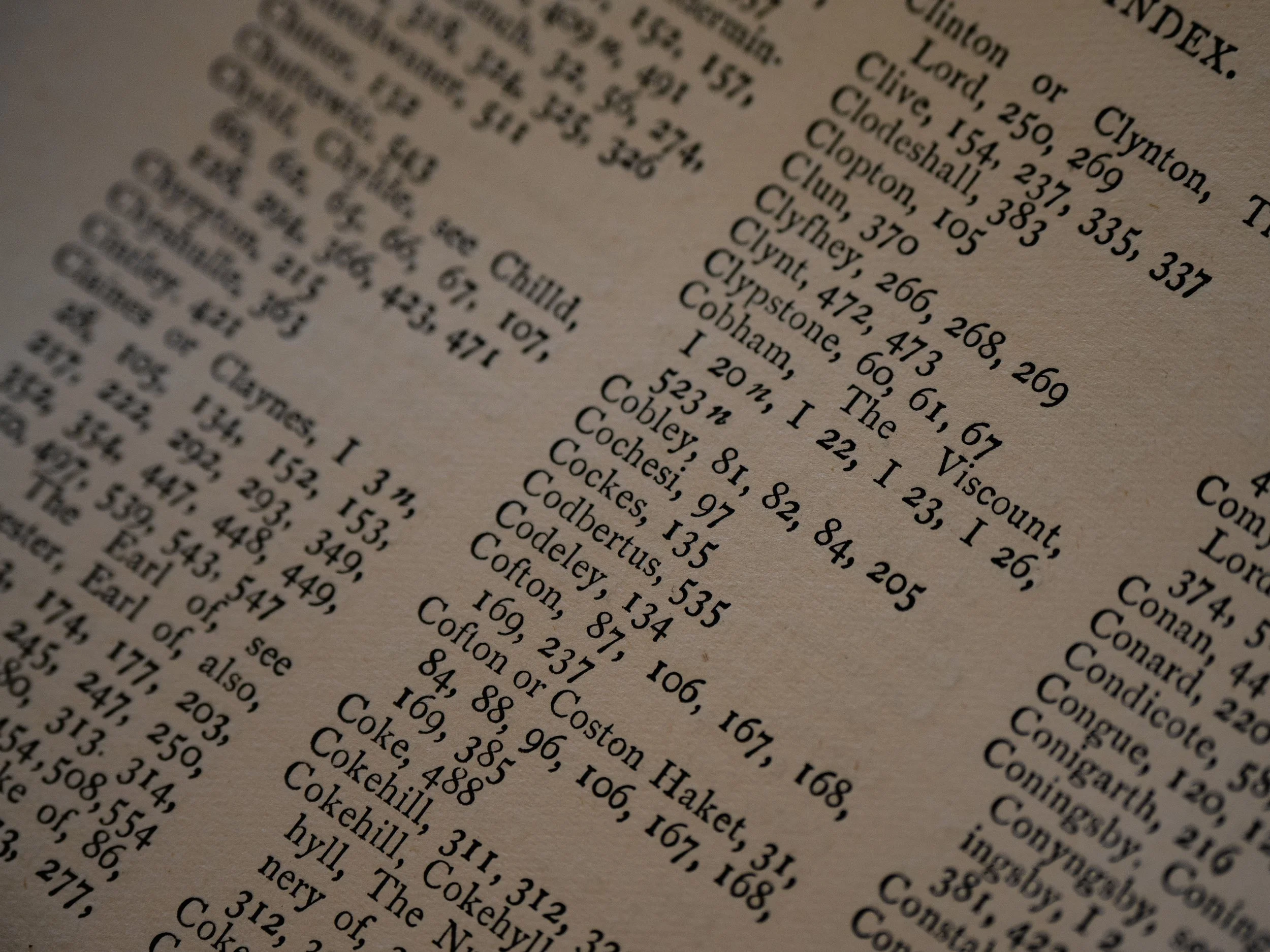
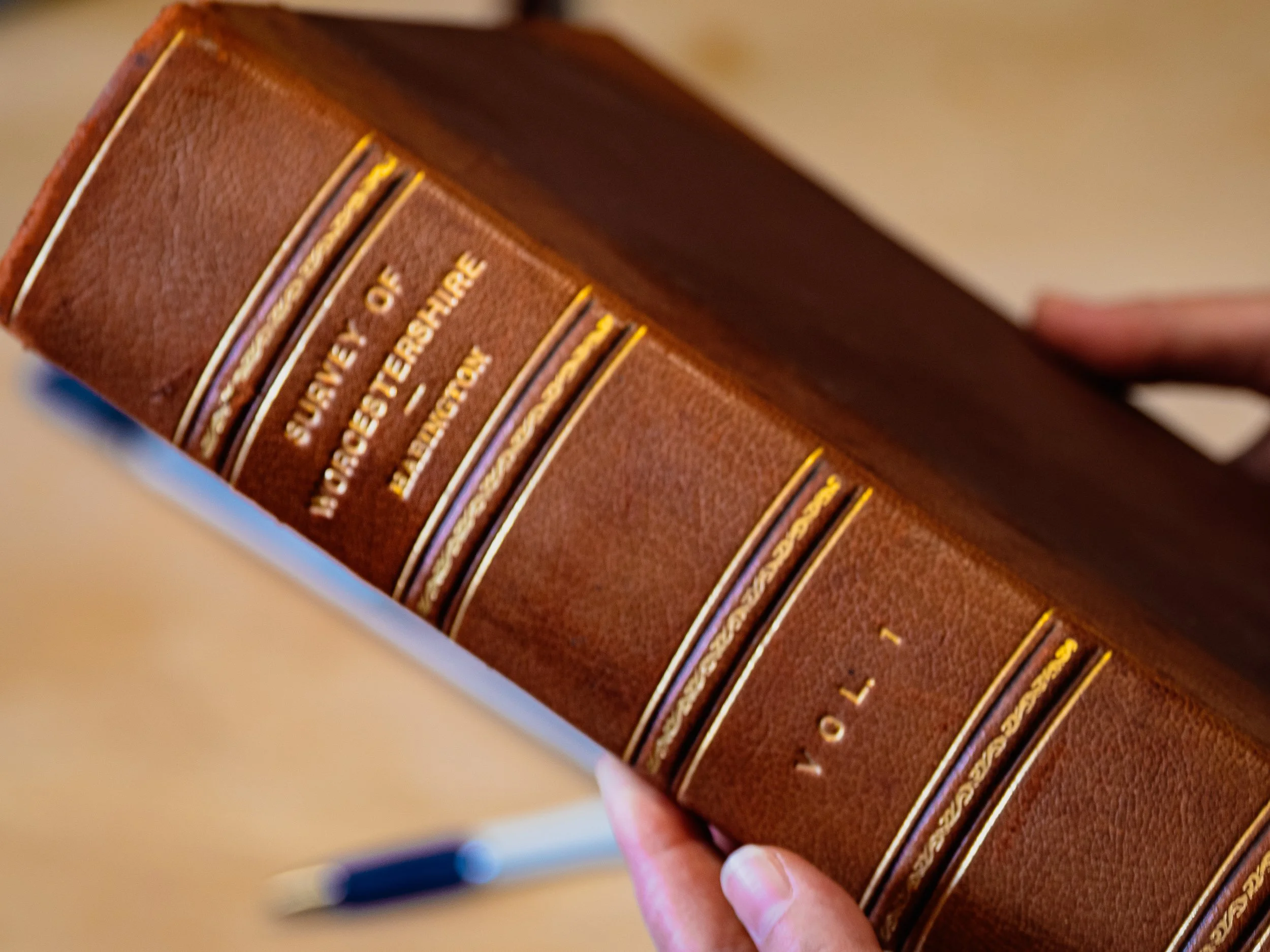
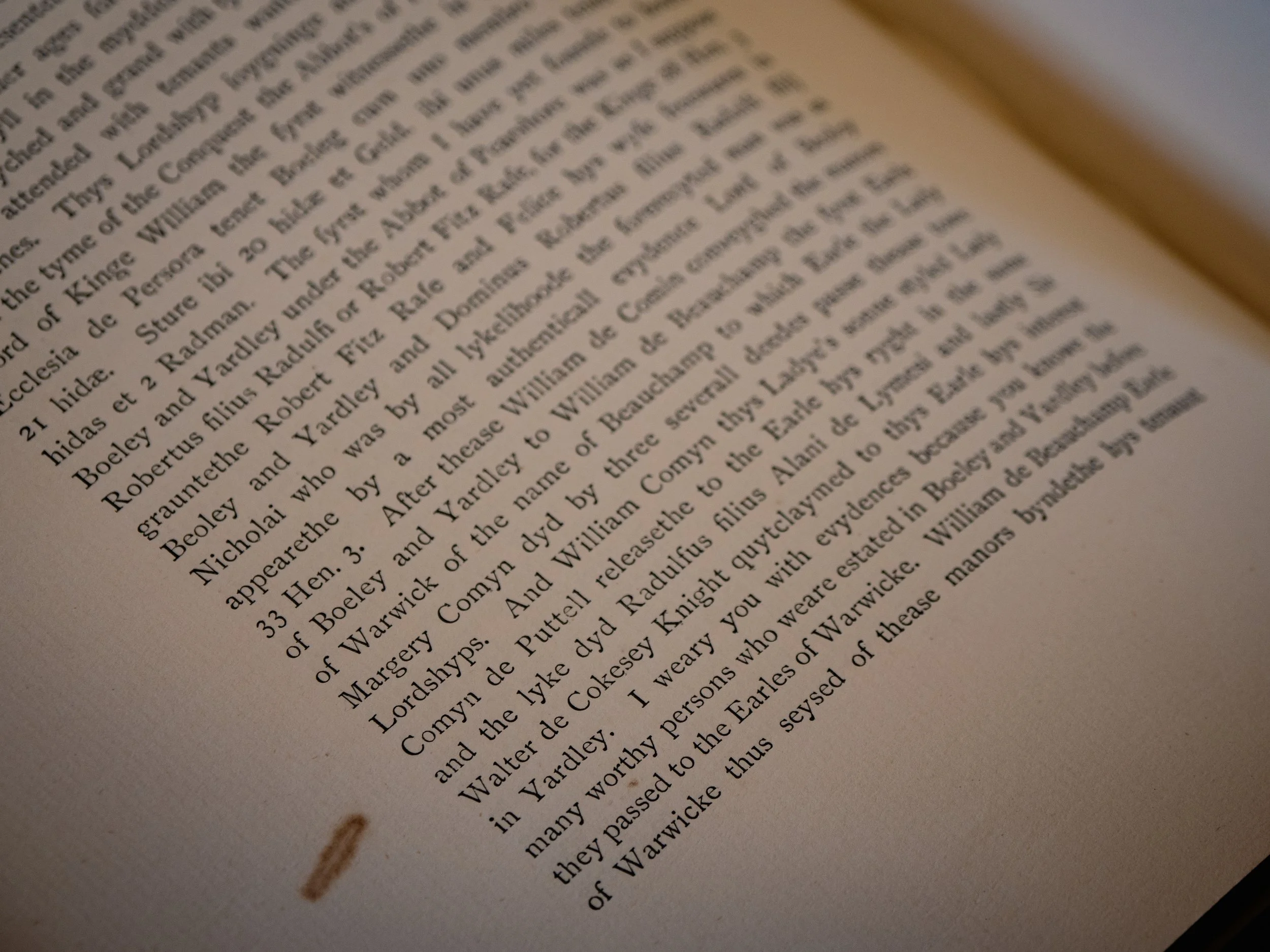
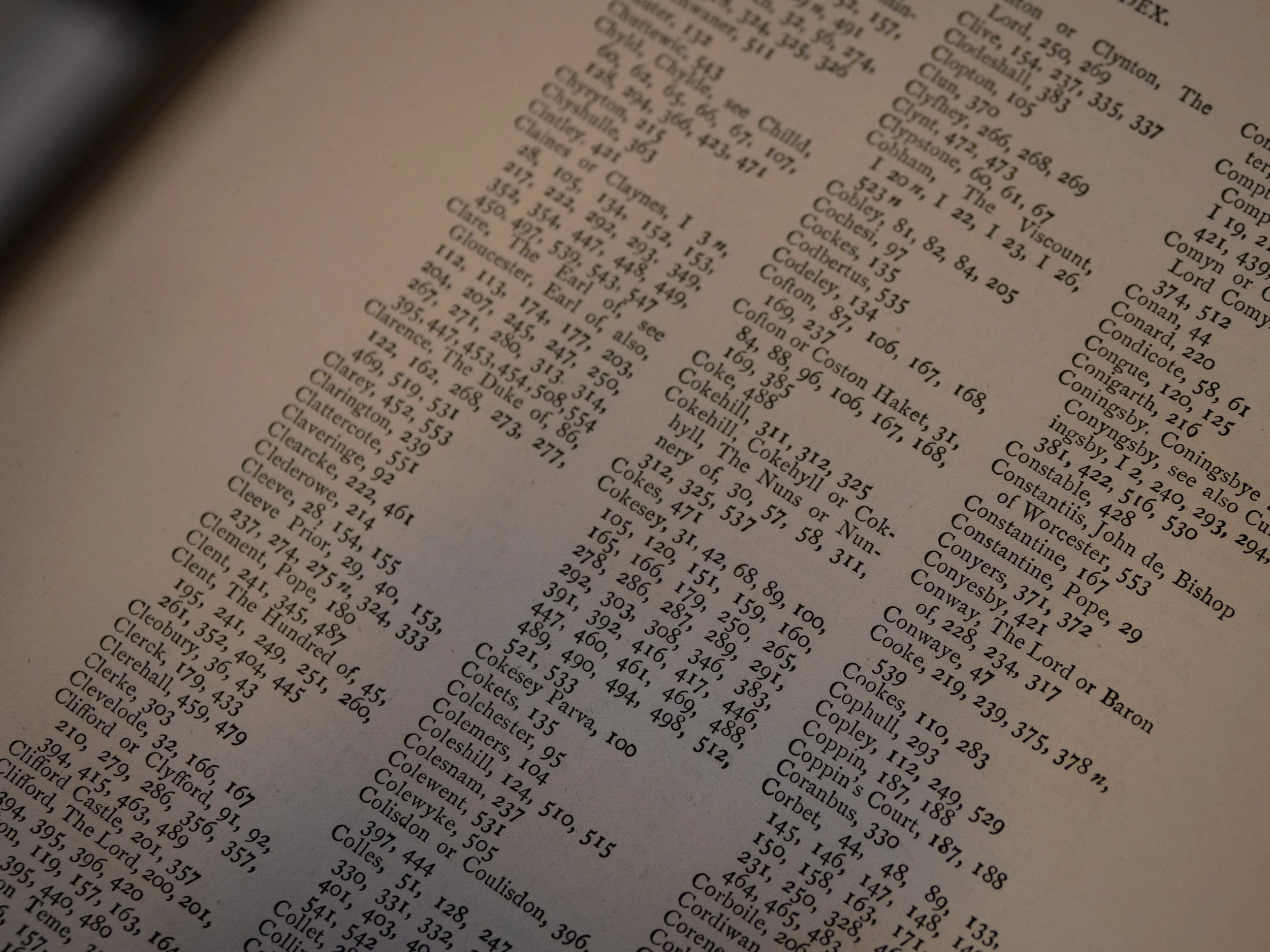
While the Cooksey surname originated in this area, there are no known Cooksey descendants currently residing in the village. The name, however, lives on in the names of estates, farms, and roads, as well as the books in which the village’s history is recorded. On this trip, Mrs. Landale made arrangements for us to visit a few other properties and their owners to get a better overview of the village’s history. Her son Charlie, who I met on my last visit, was our tour guide for the day, along with the various property owners.
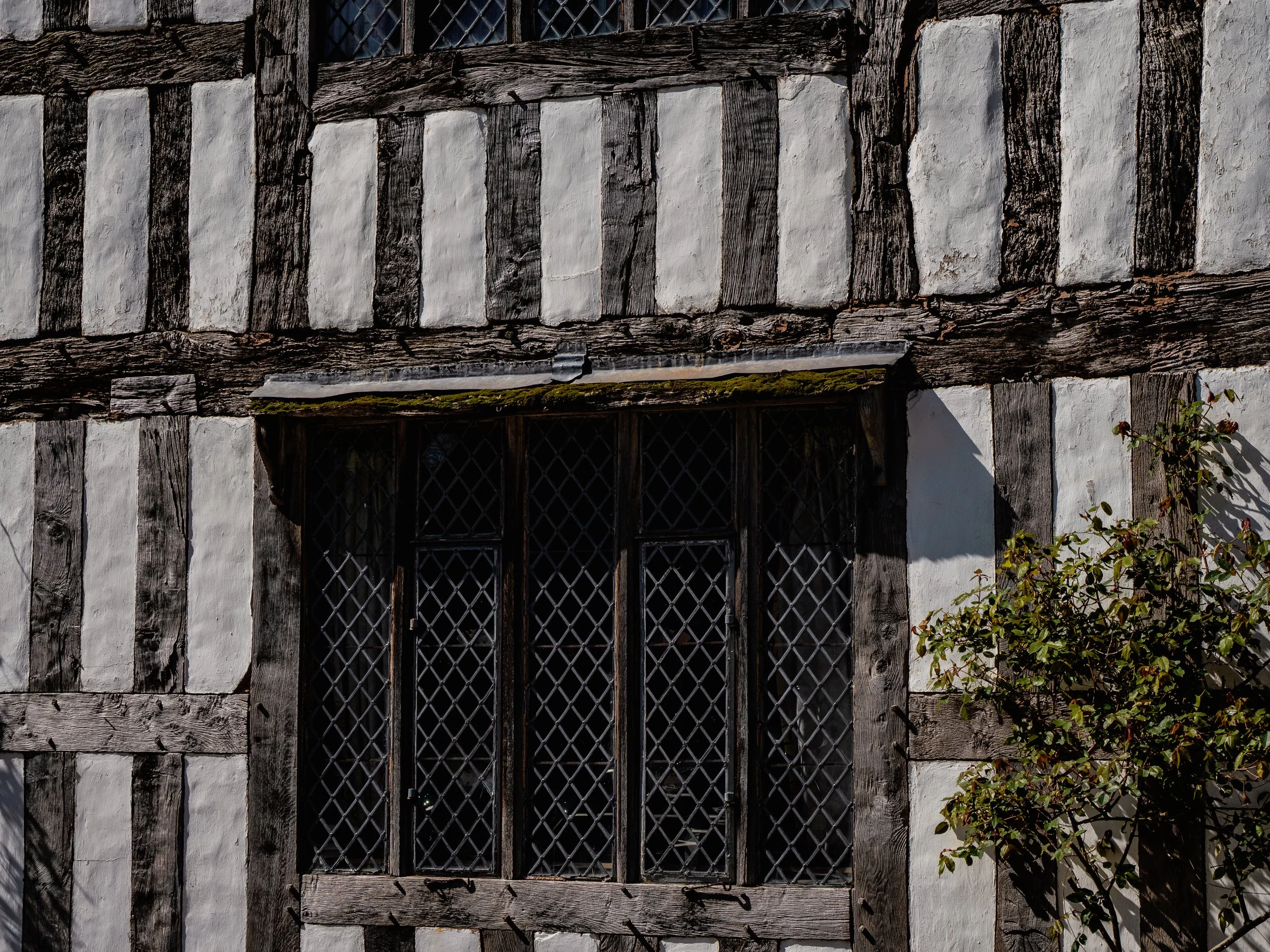
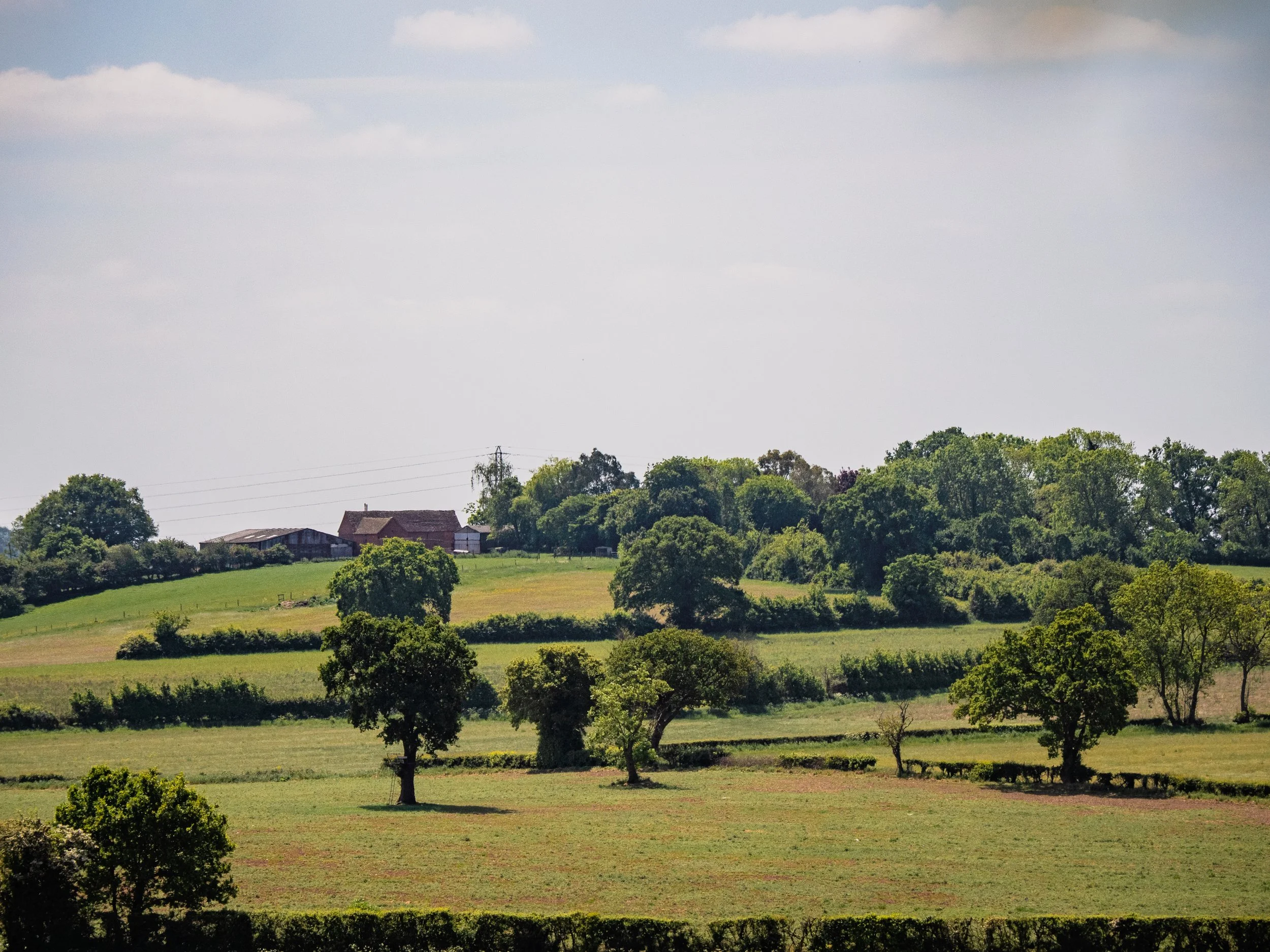
Purshall Hall was our first stop, where Richard and Heather Baylis showed us around their property and gave us a little more of the history of the evolution of the Cooksey name. Purshall Hall was built in the 15th century and was a rendezvous point used by the conspirators of the 1605 Gunpowder Plot. There have been artifacts found on the property possibly dating back to Roman times. Now, it is a wonderfully preserved working farm amidst the rolling countryside.
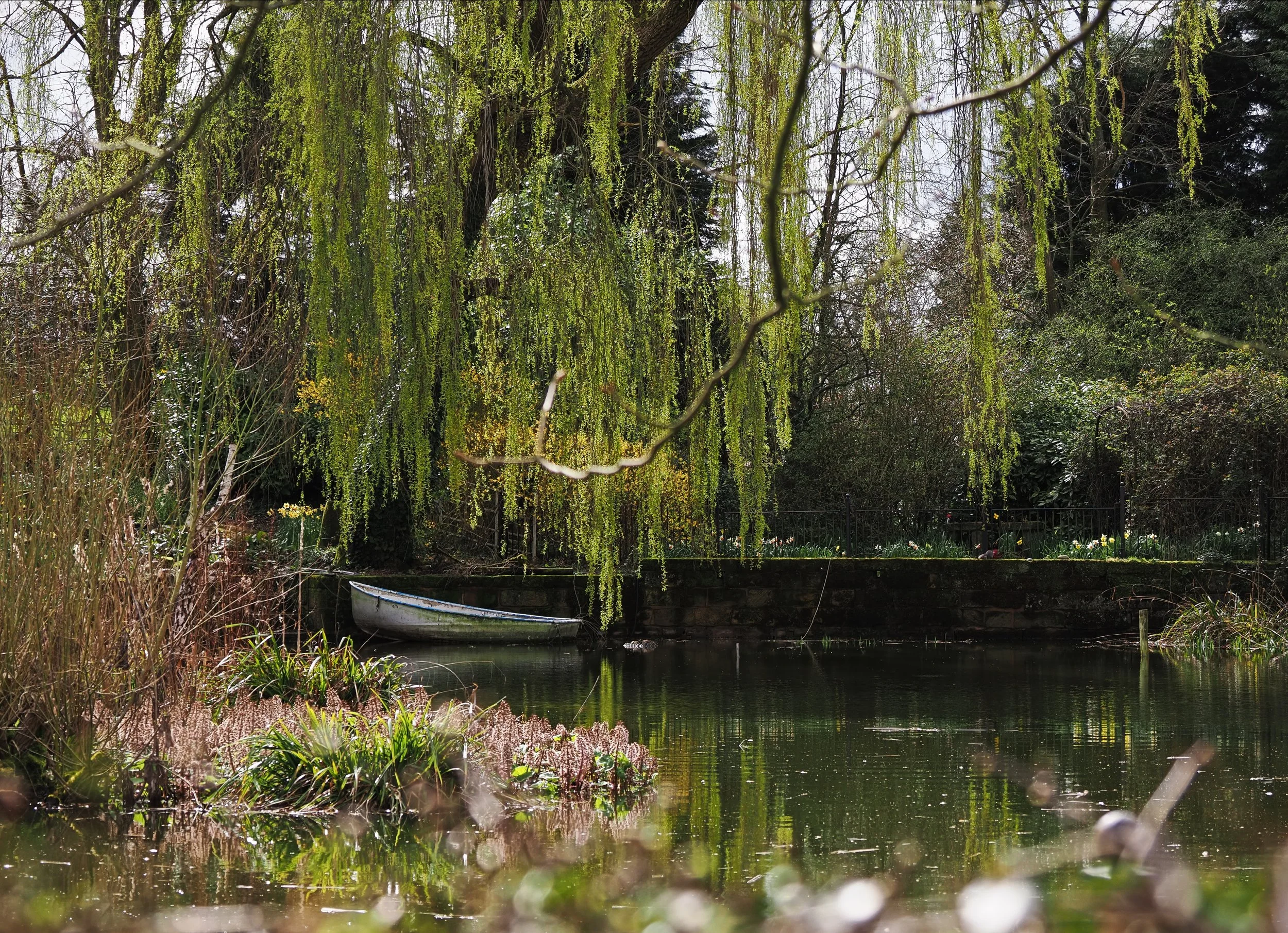
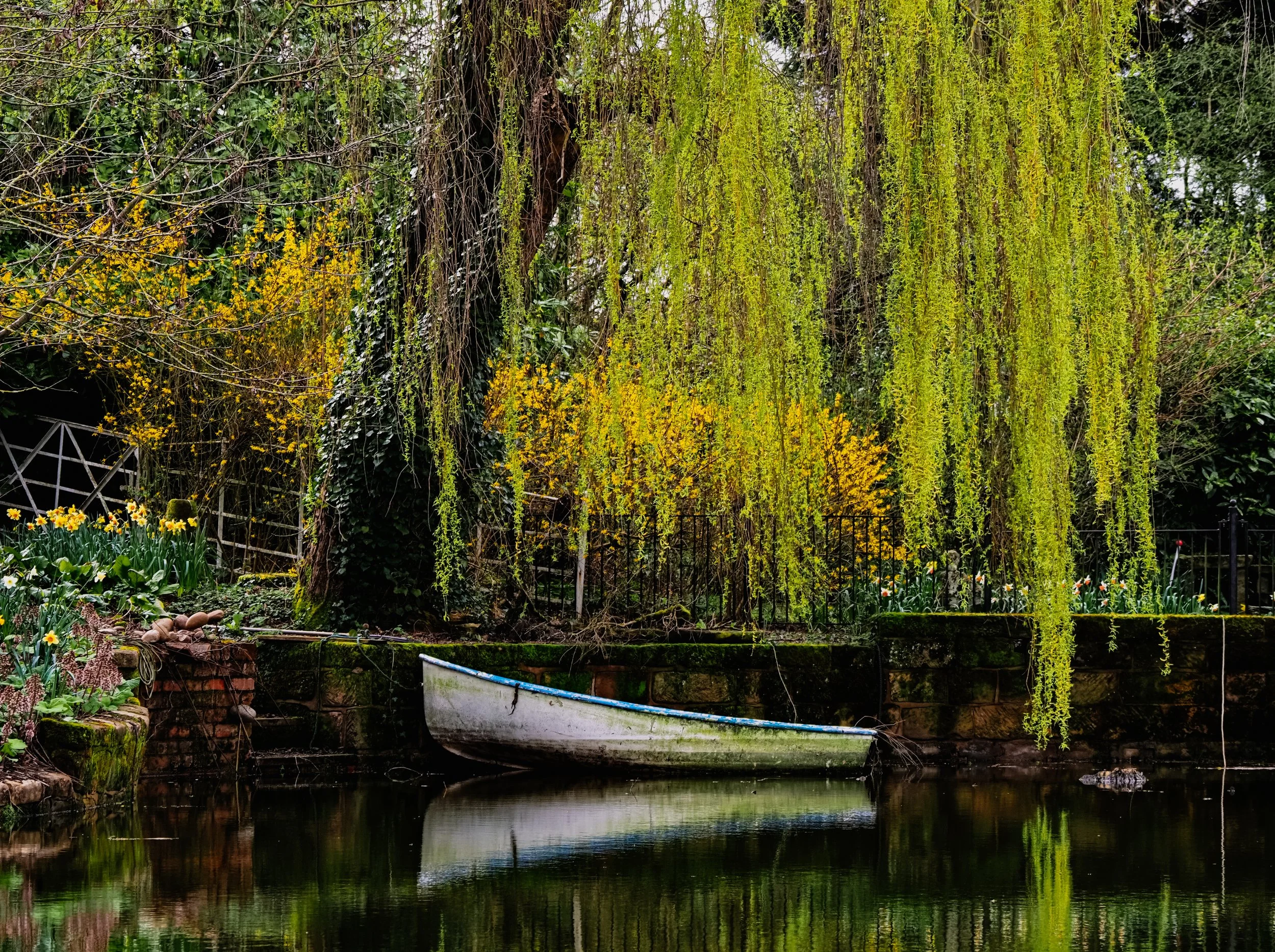
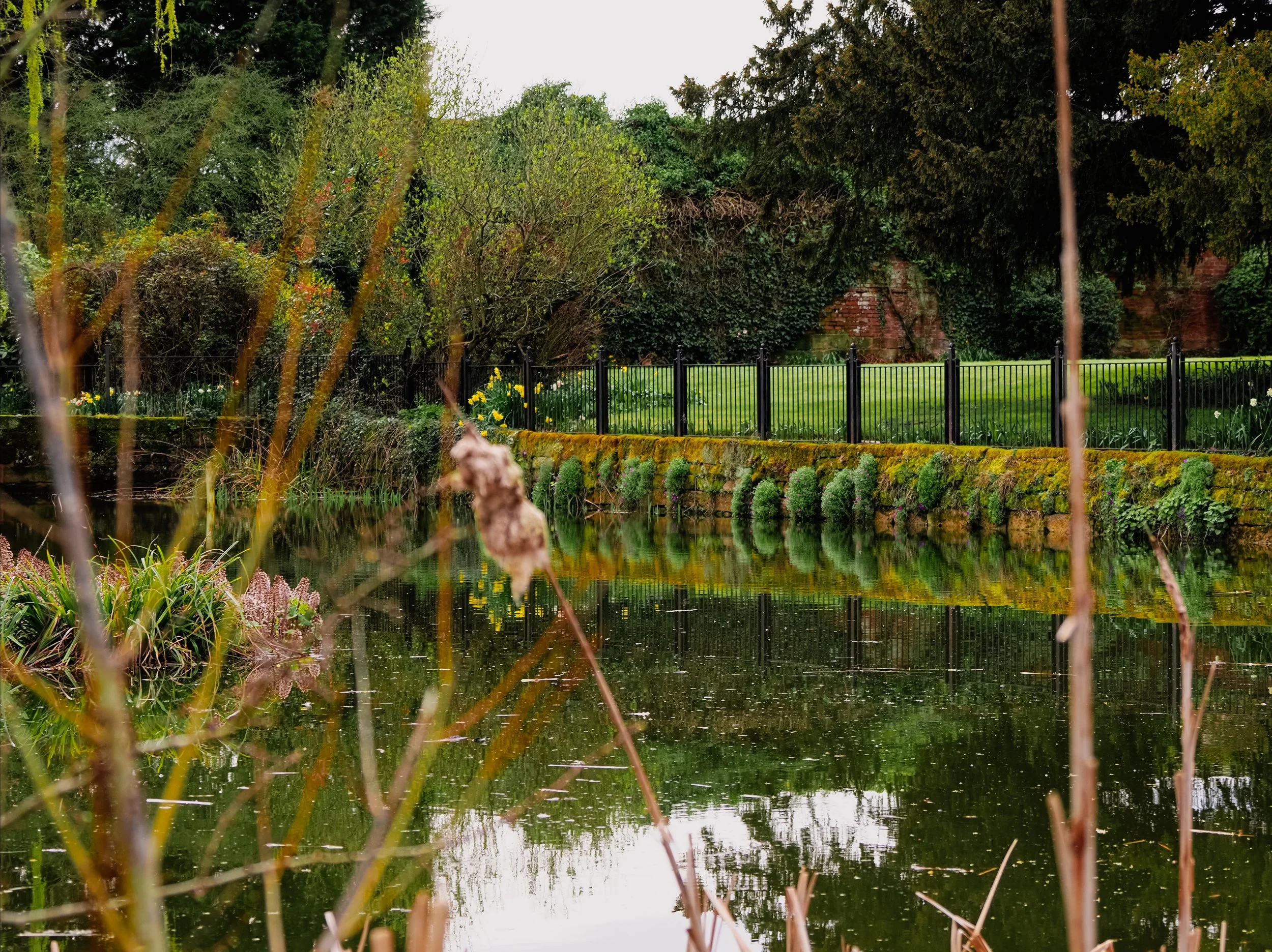
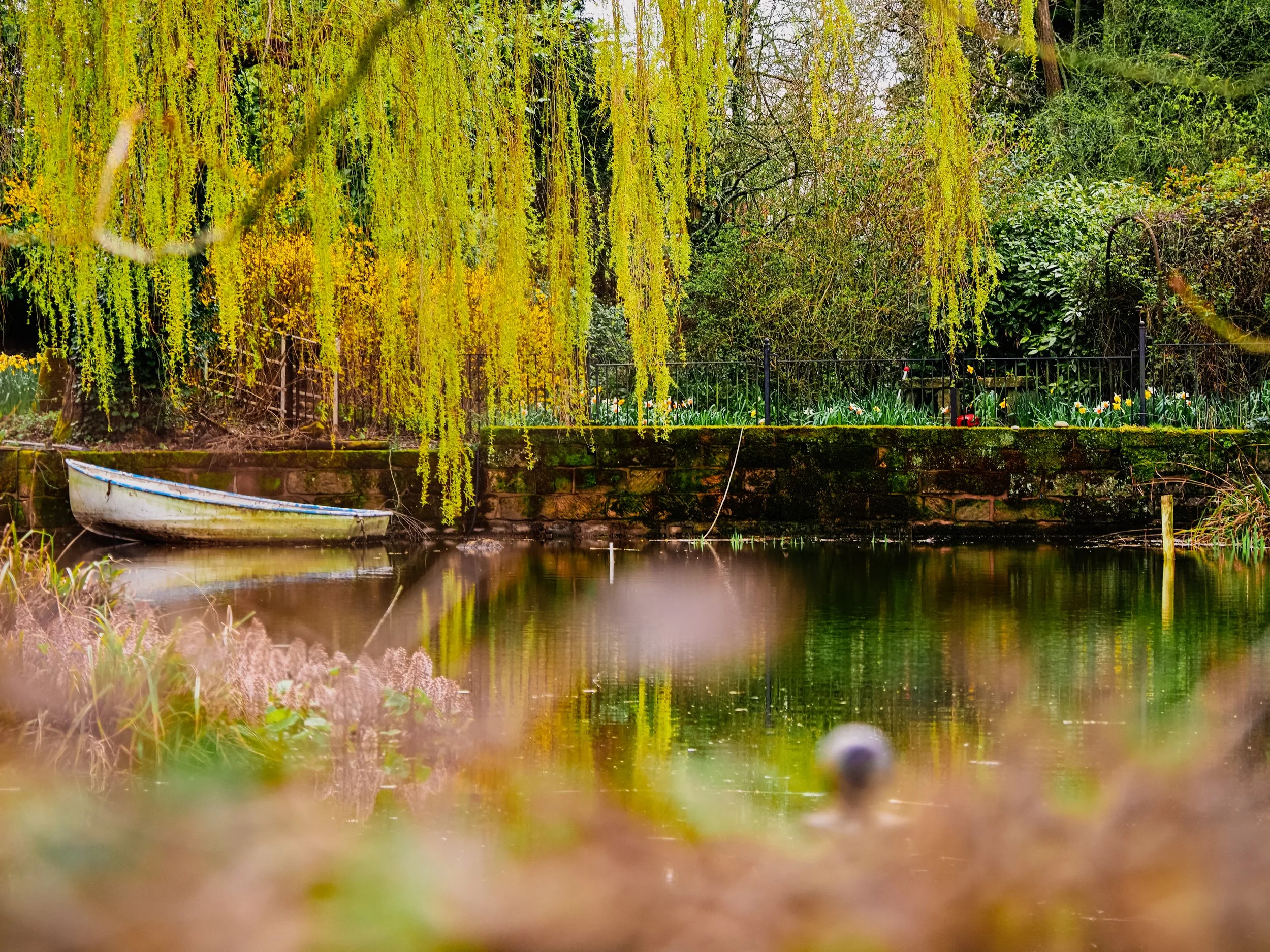
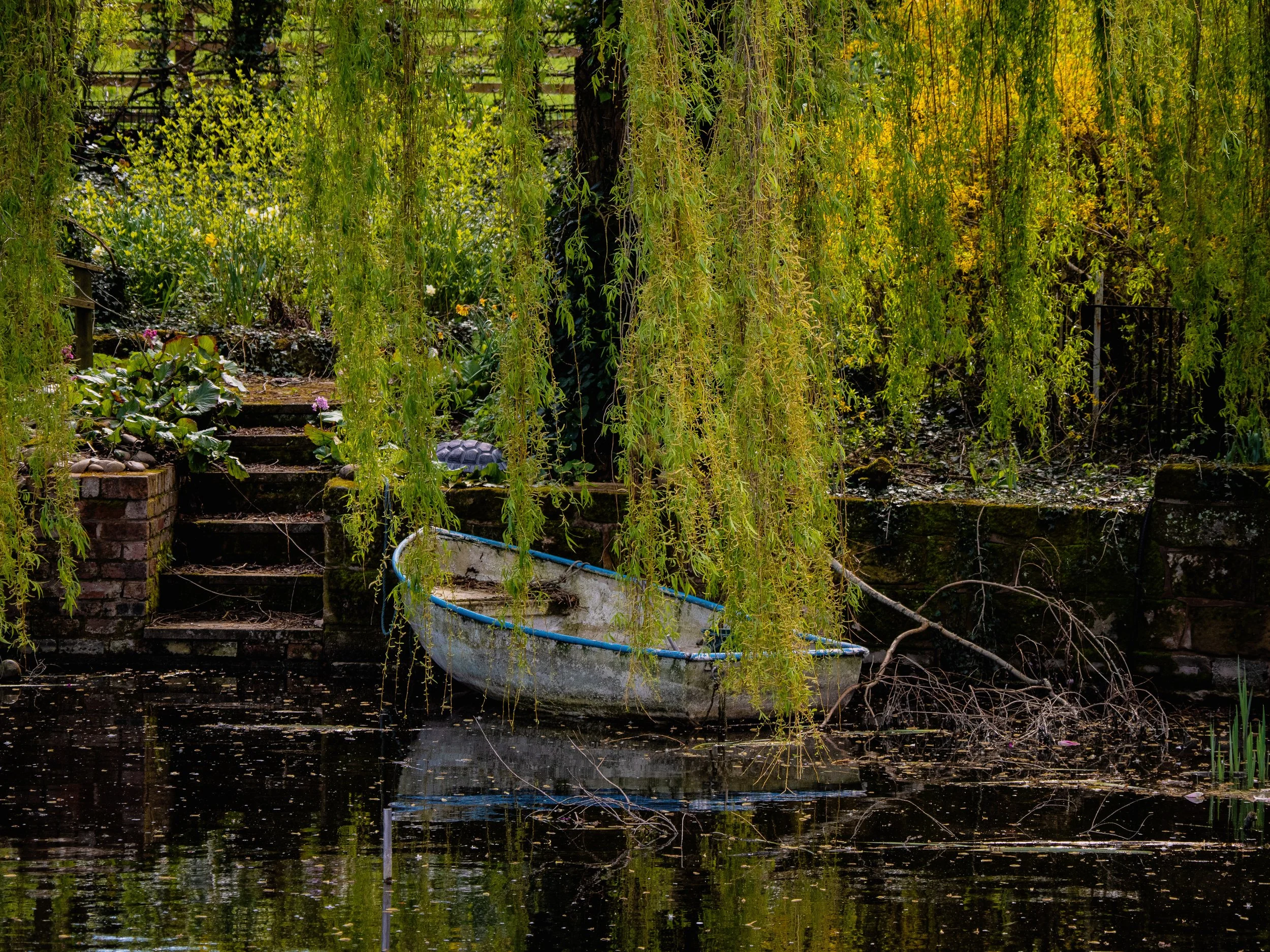
From Purshall Hall, we moved on to Badge Court, where Mrs. Diana Glendenning showed us around her lovely estate. Like Purshall Hall, Badge Court is a Grade II listed property. Originally occupied by an Earl of Shrewsbury, its most famous occupant was Helena Wintour, daughter of Gunpowder Plot conspirator Robert Wintour. Helena sheltered Catholic priests following the English Reformation when practicing Catholicism was punishable by death. There are still “priest holes” present in the home today. The property was once surrounded by a moat, but that has been condensed to a lake in front of the home today.
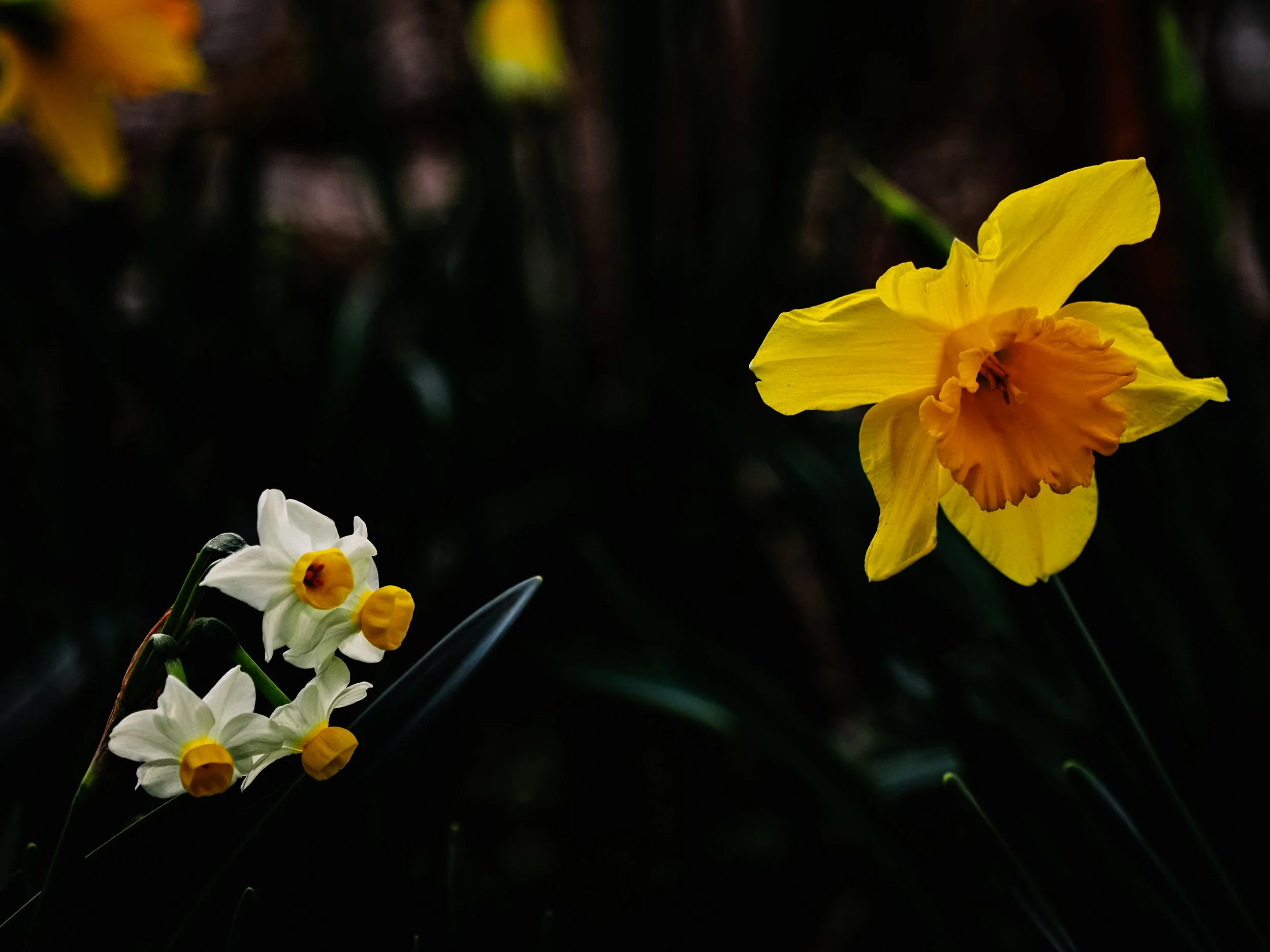
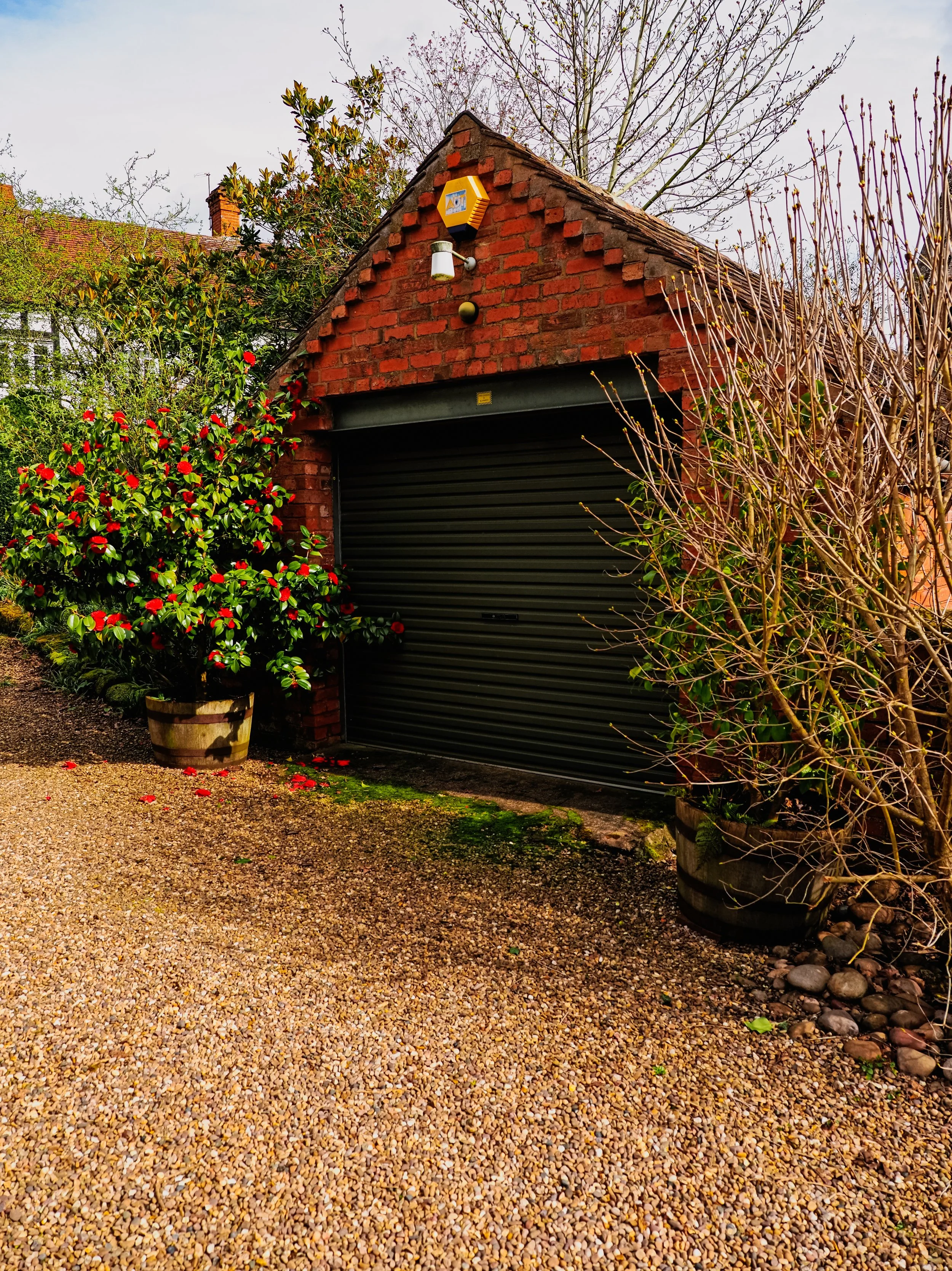
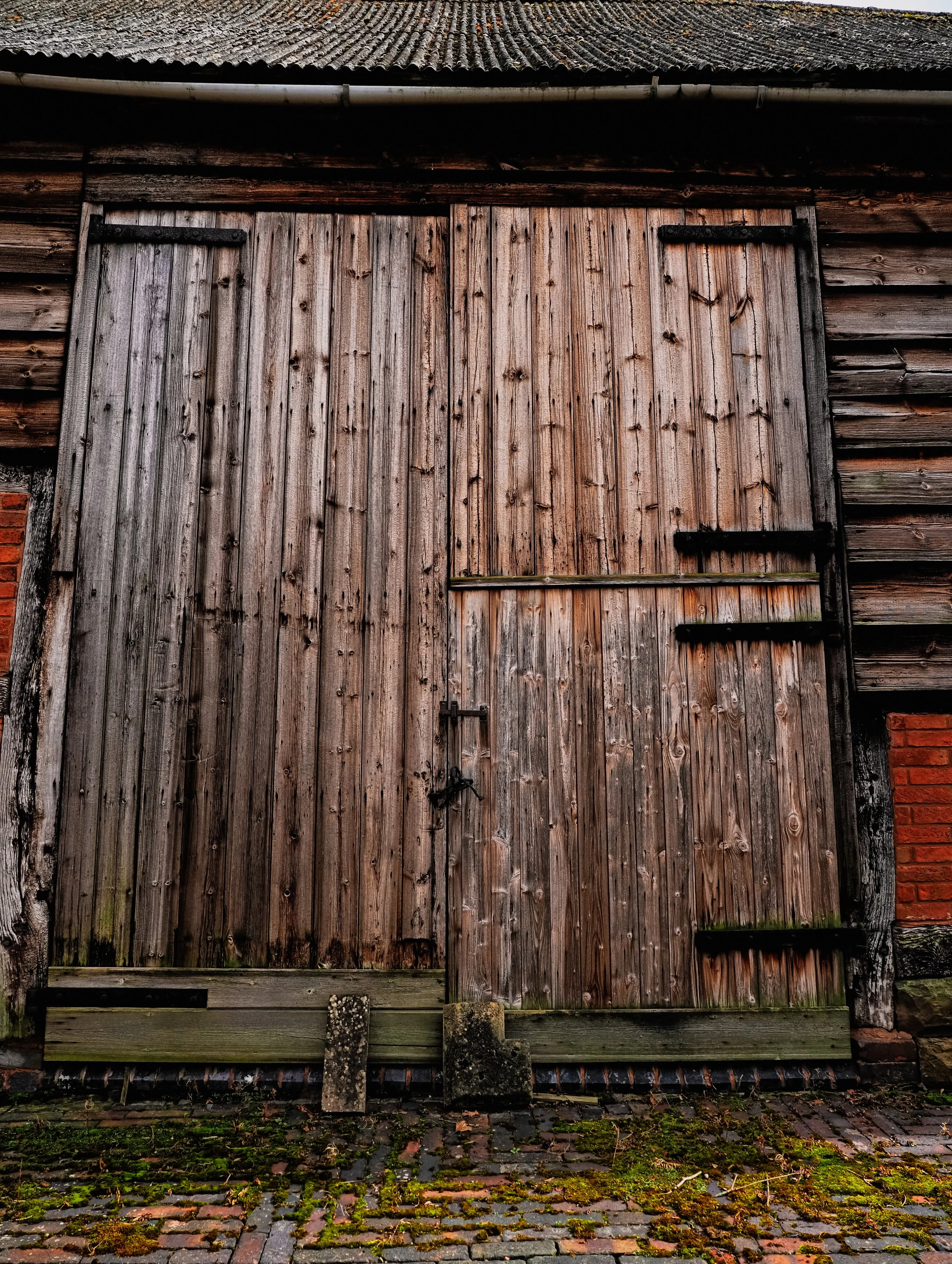
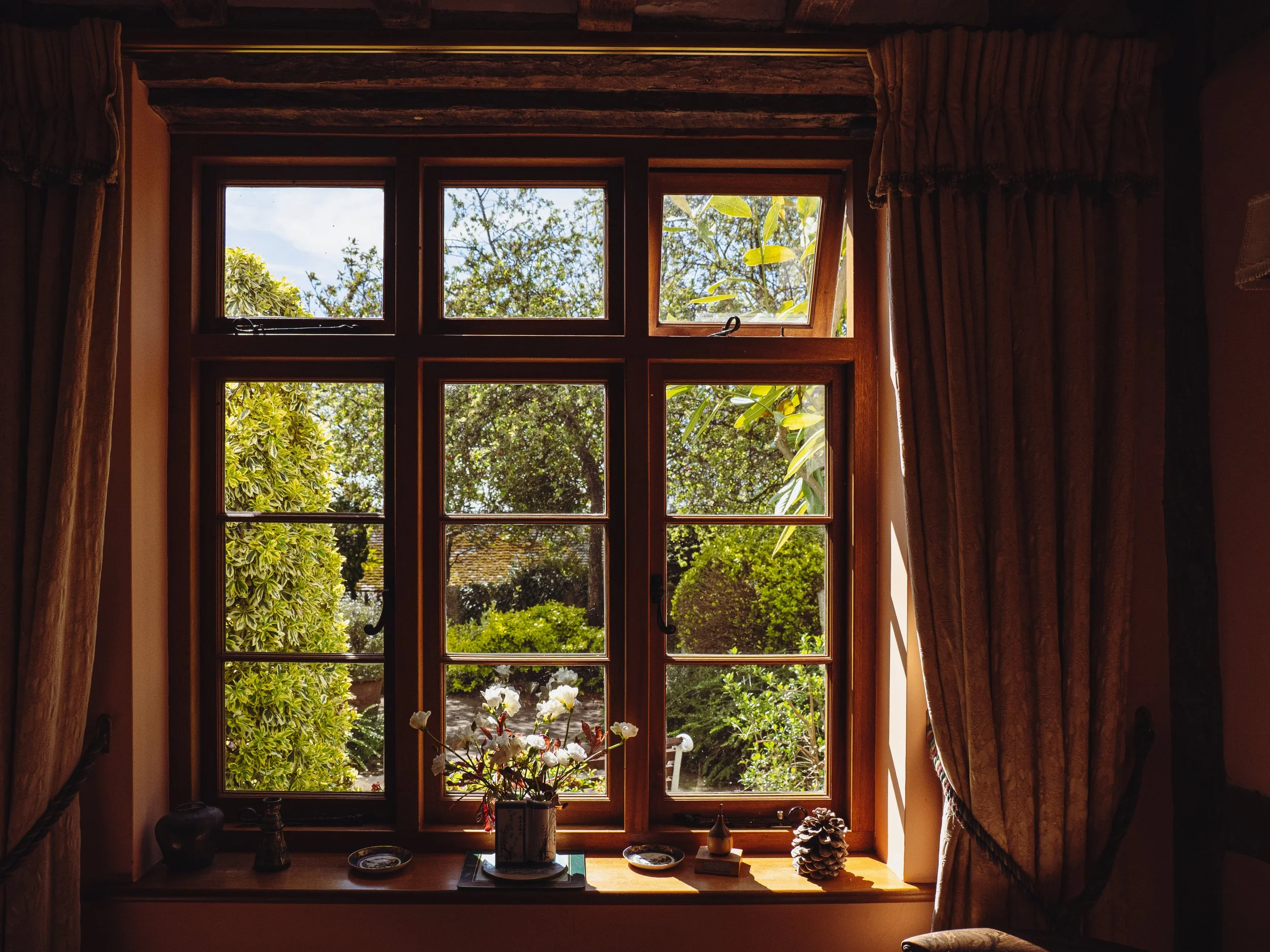
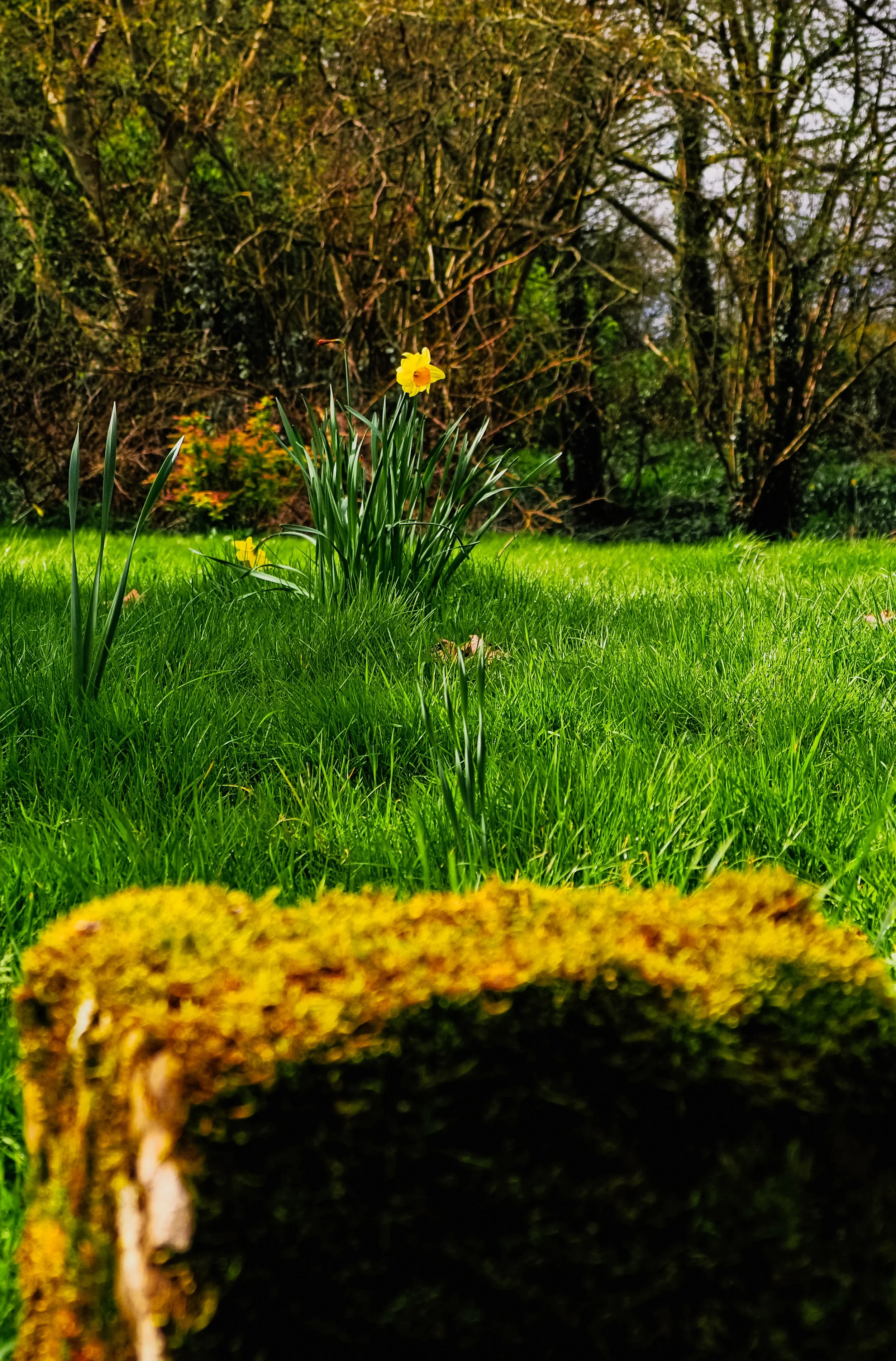
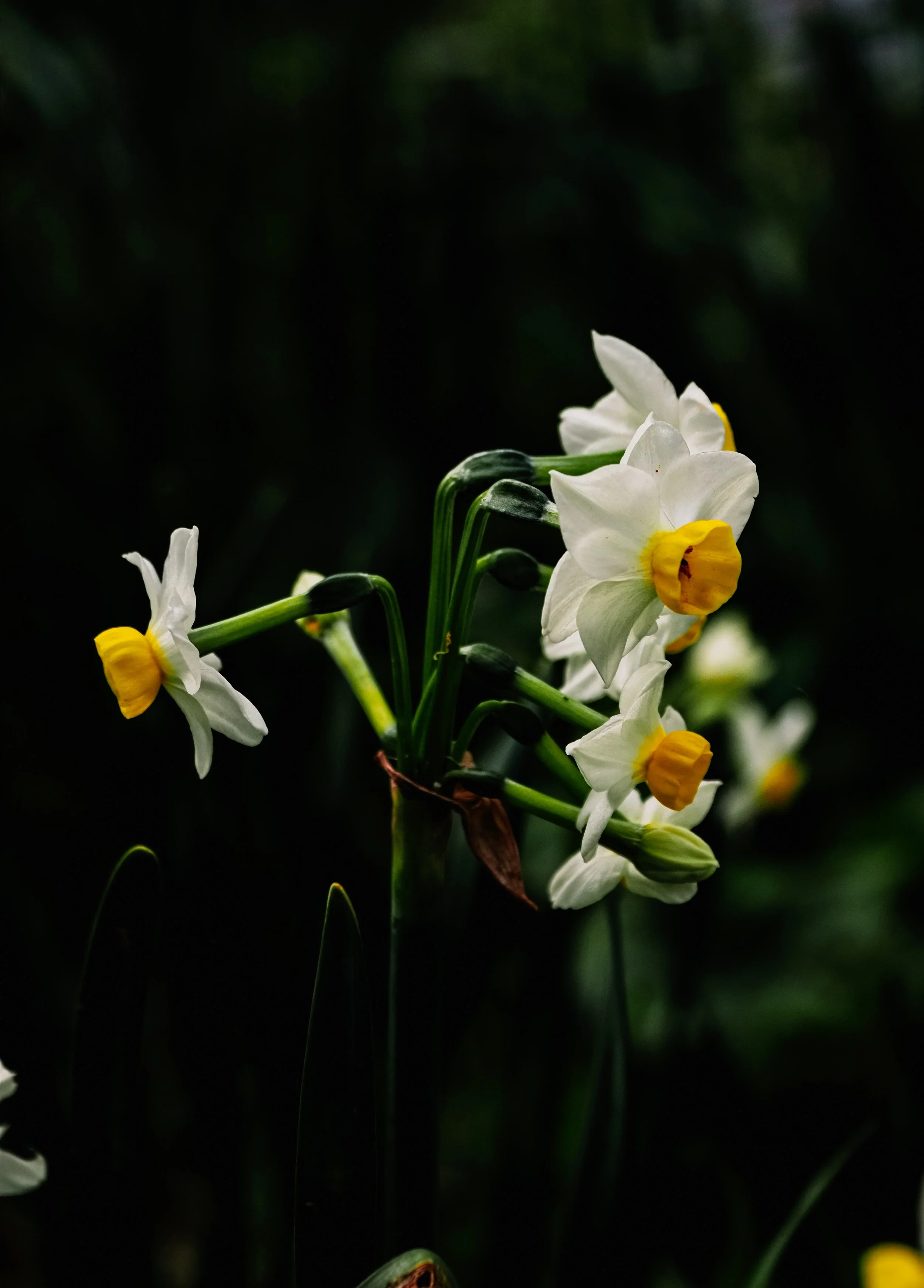
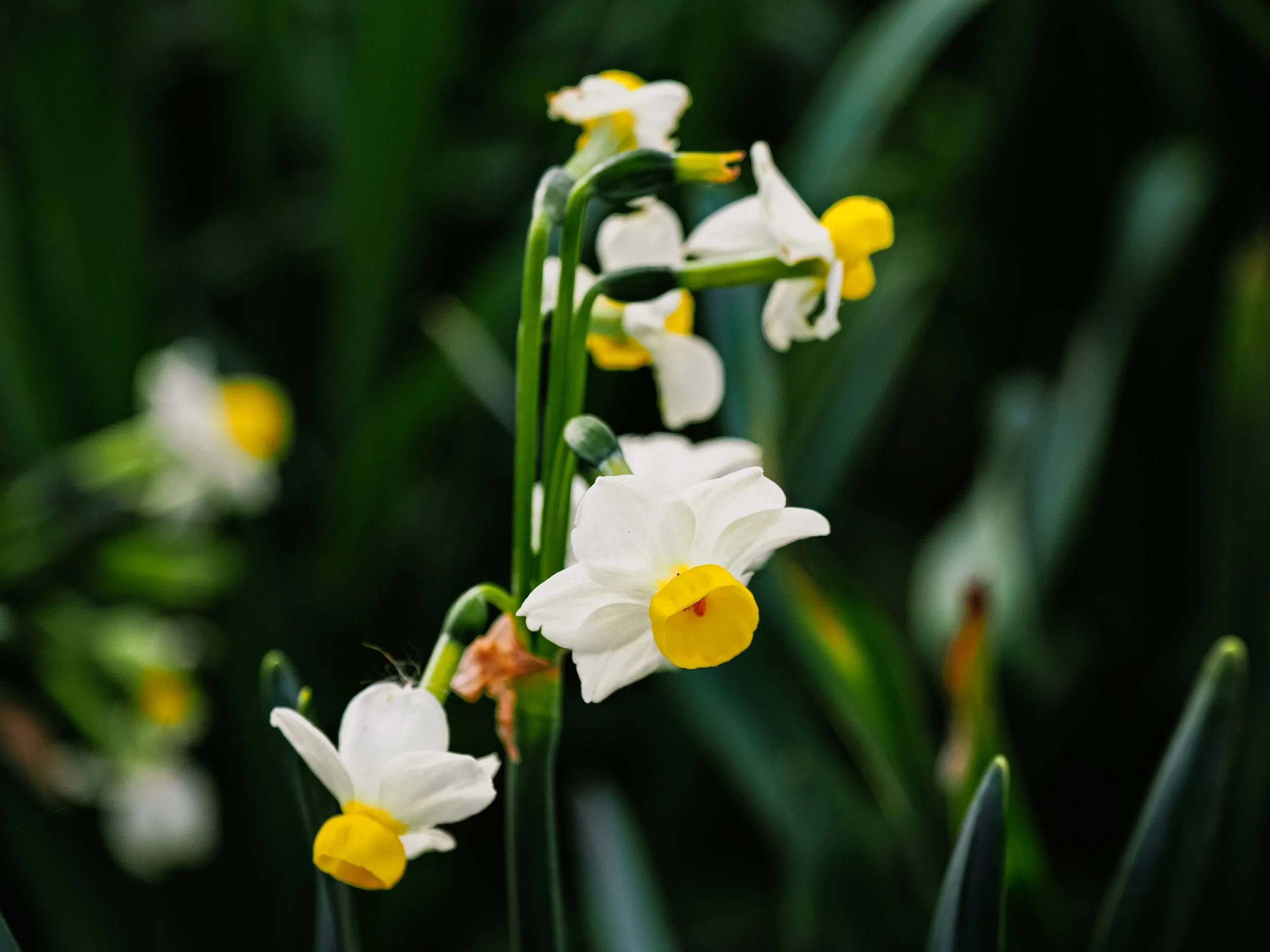
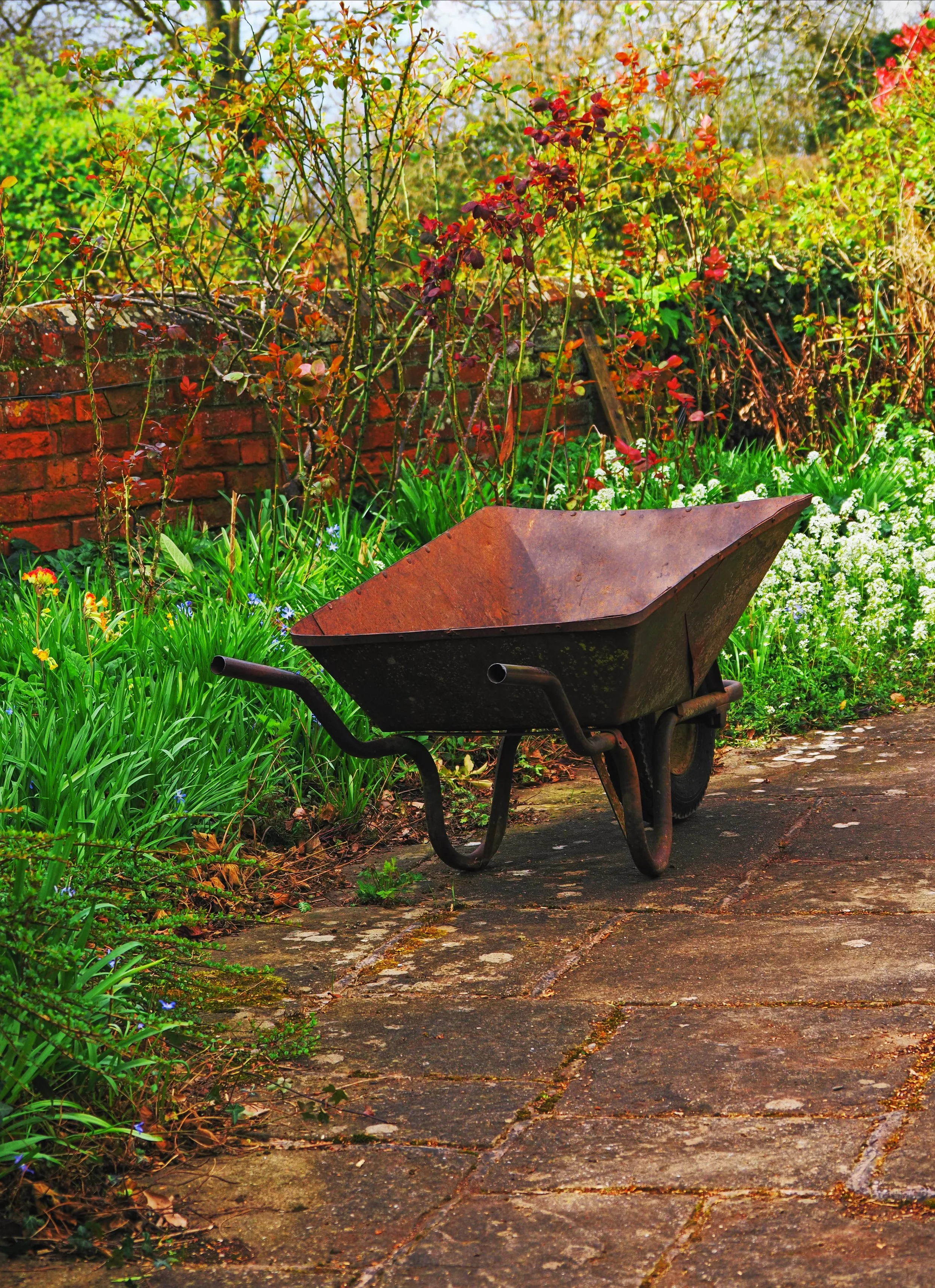
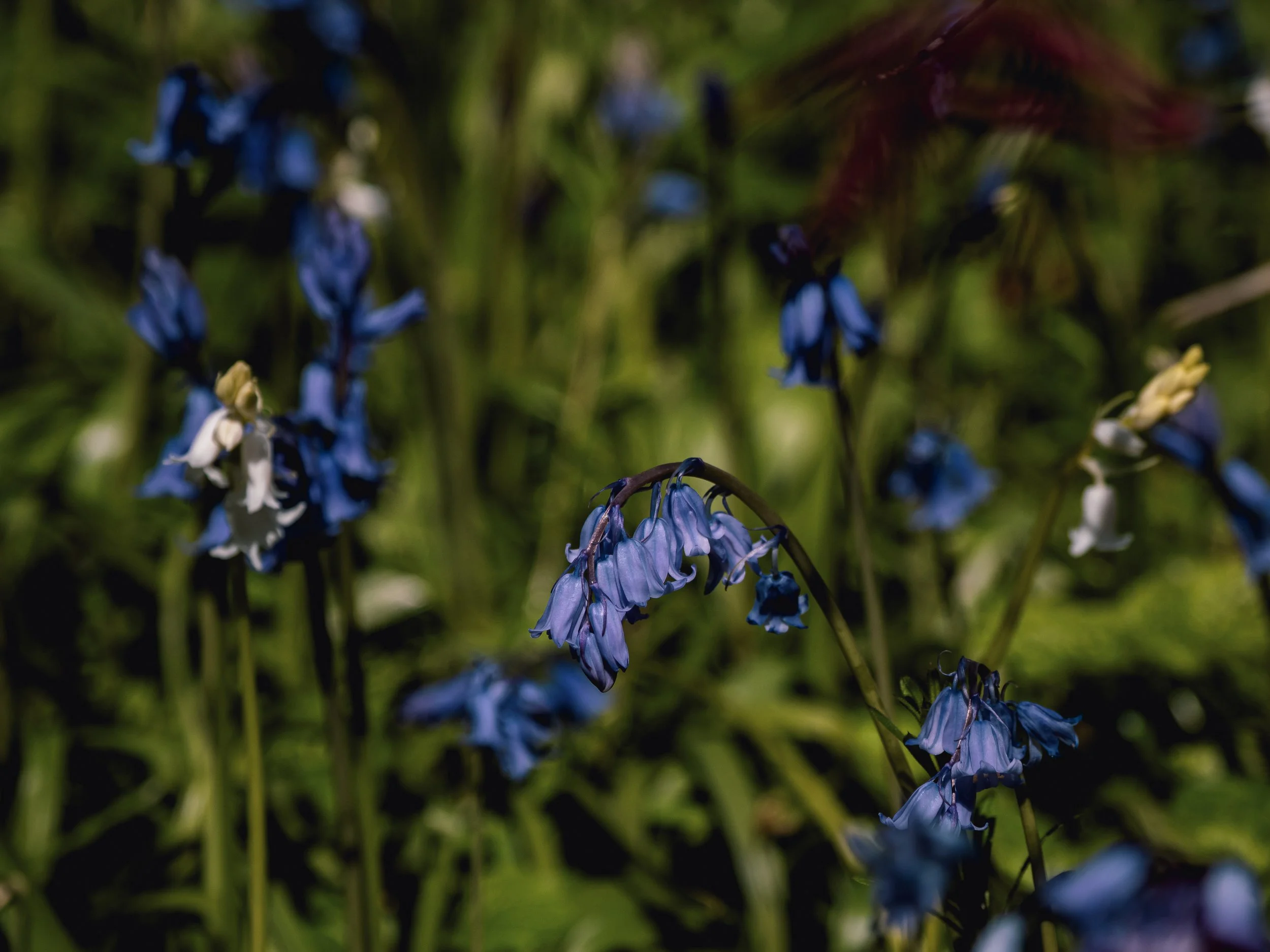
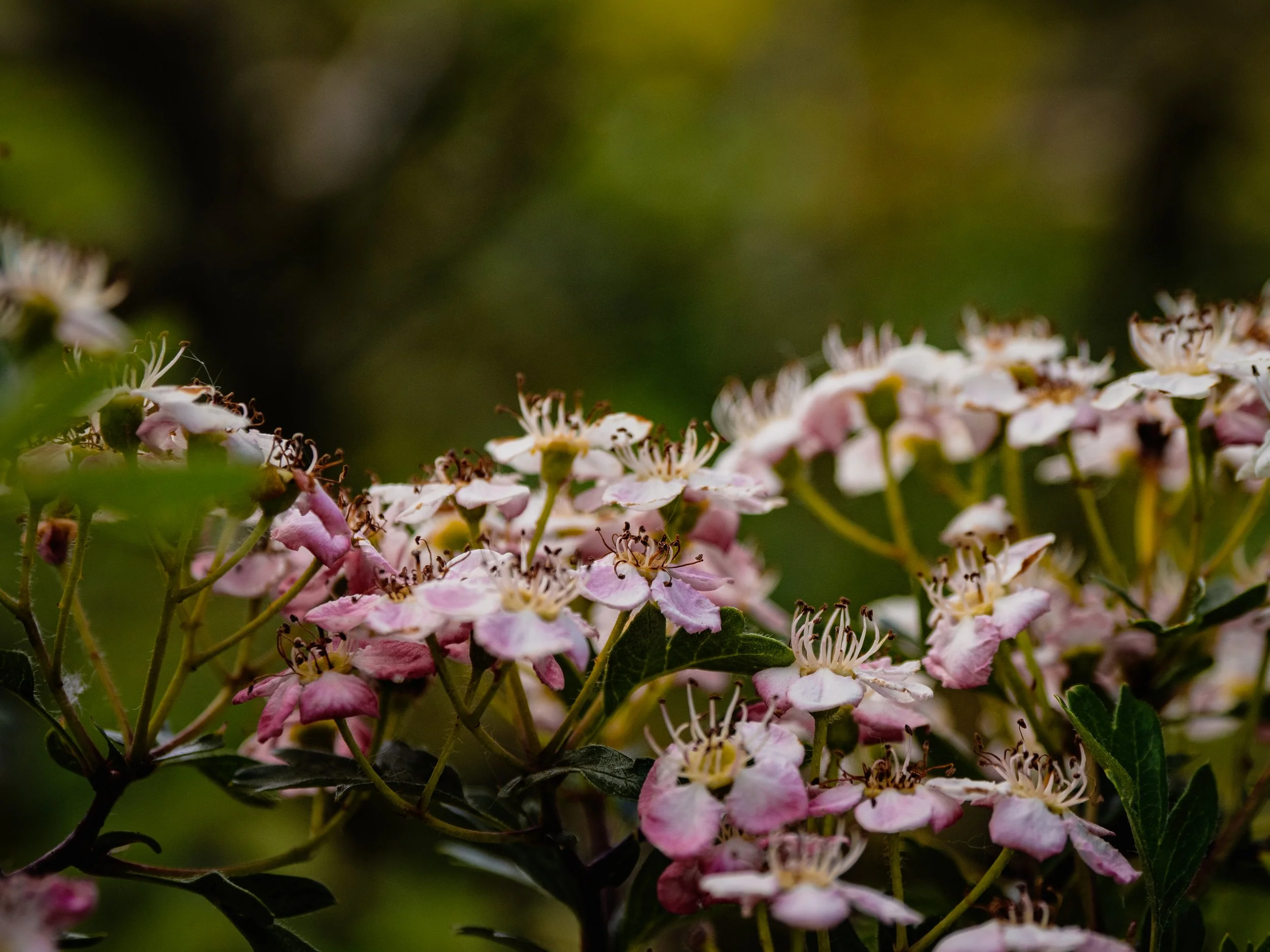
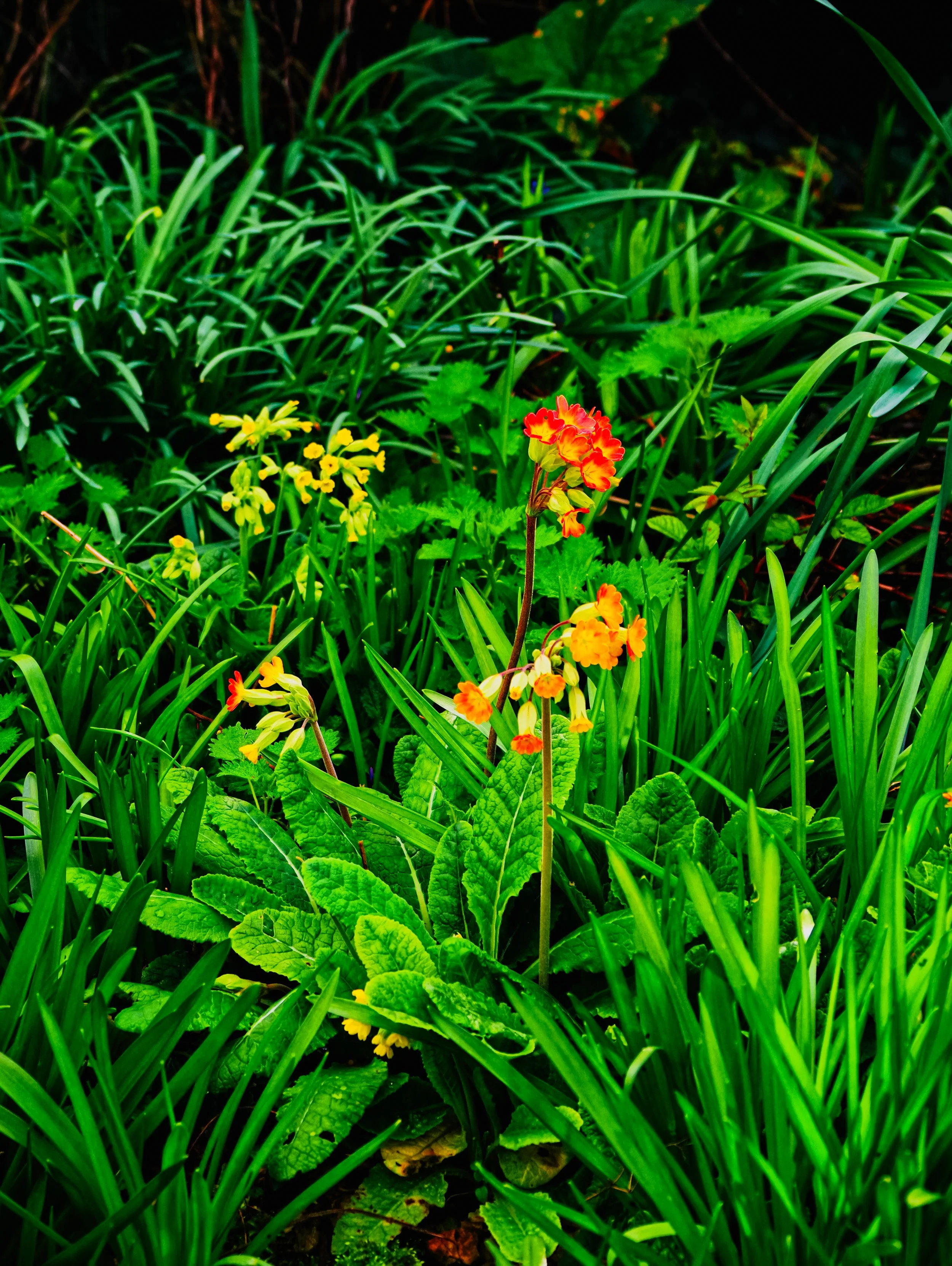
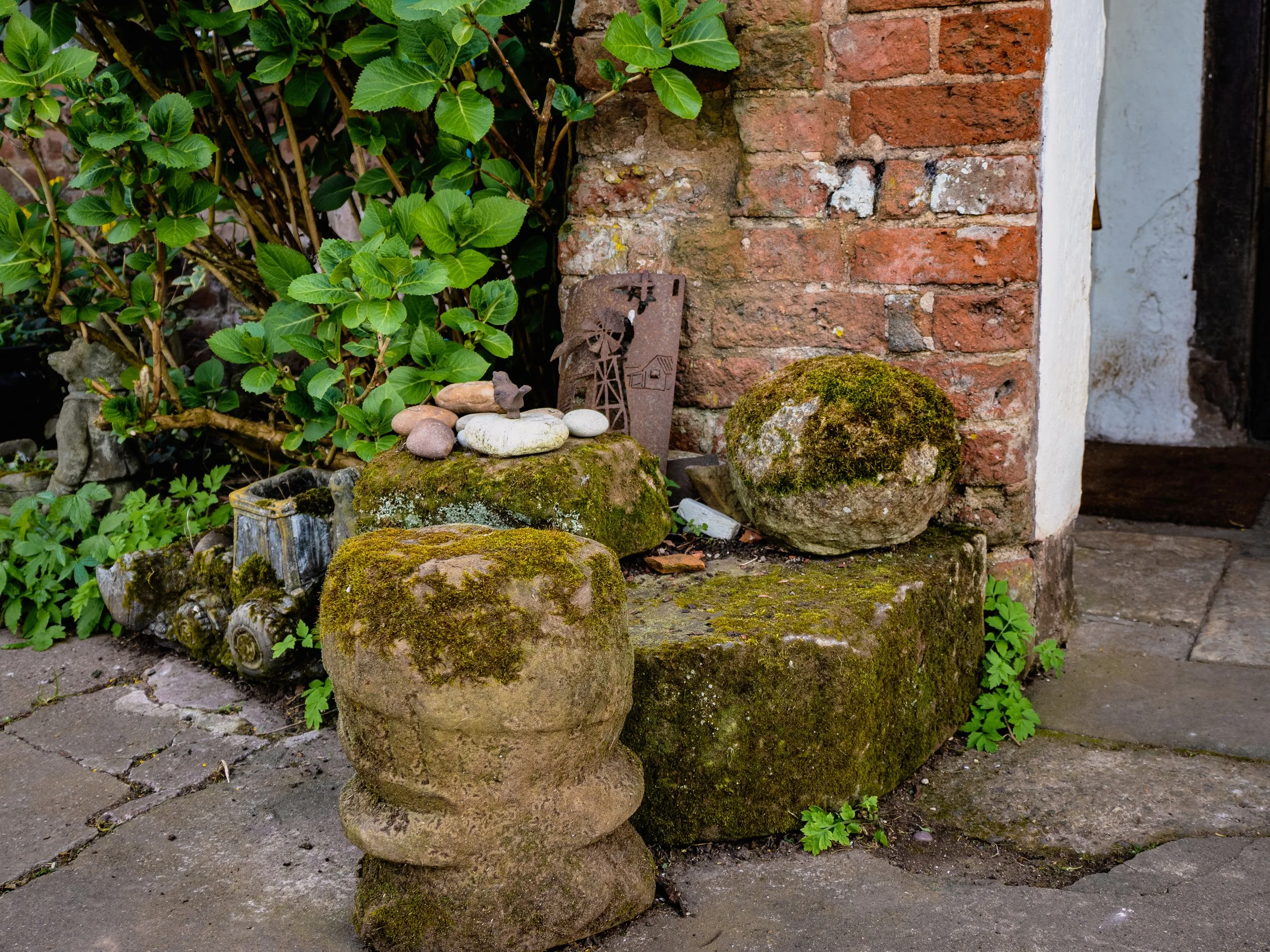
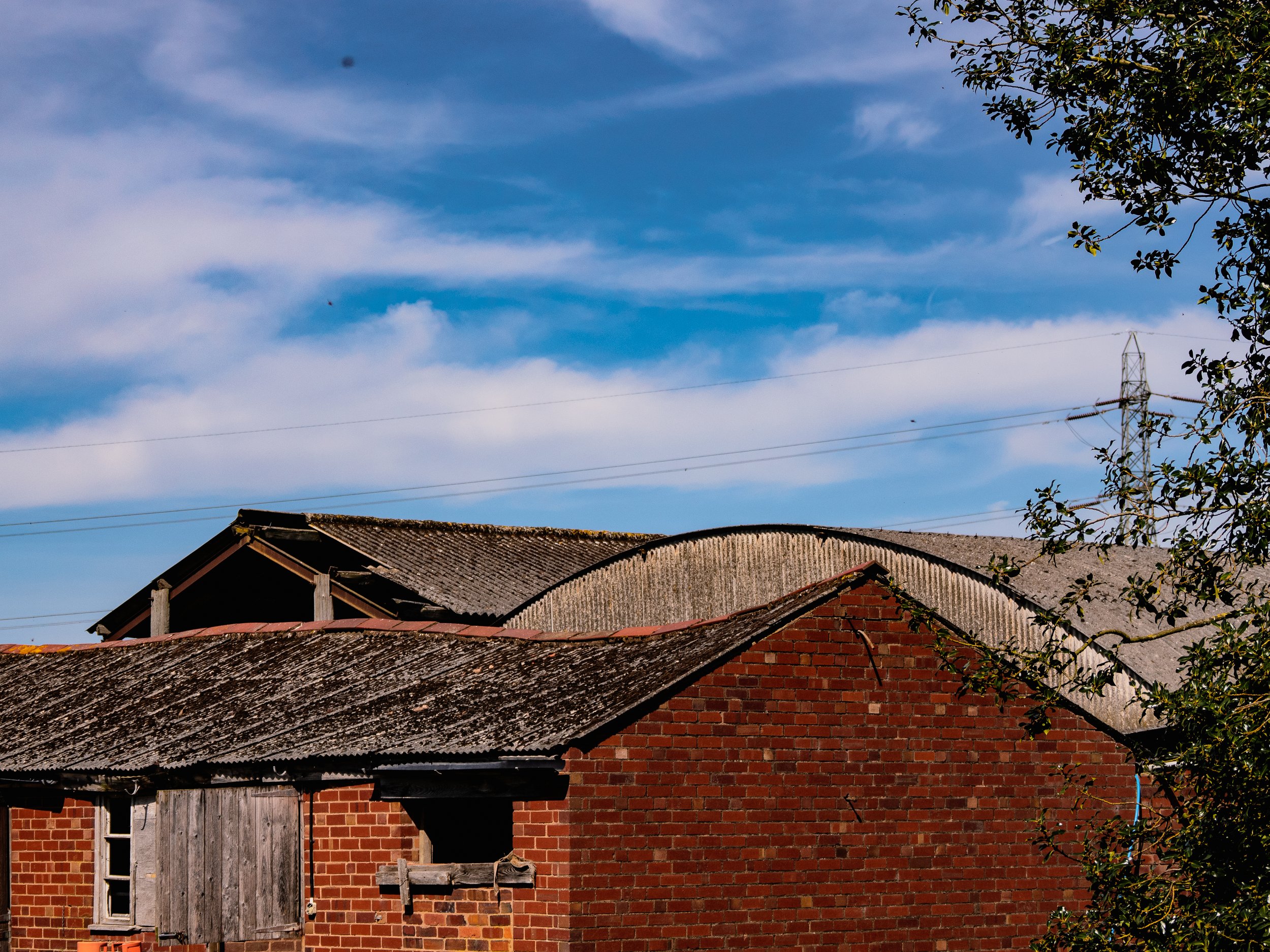
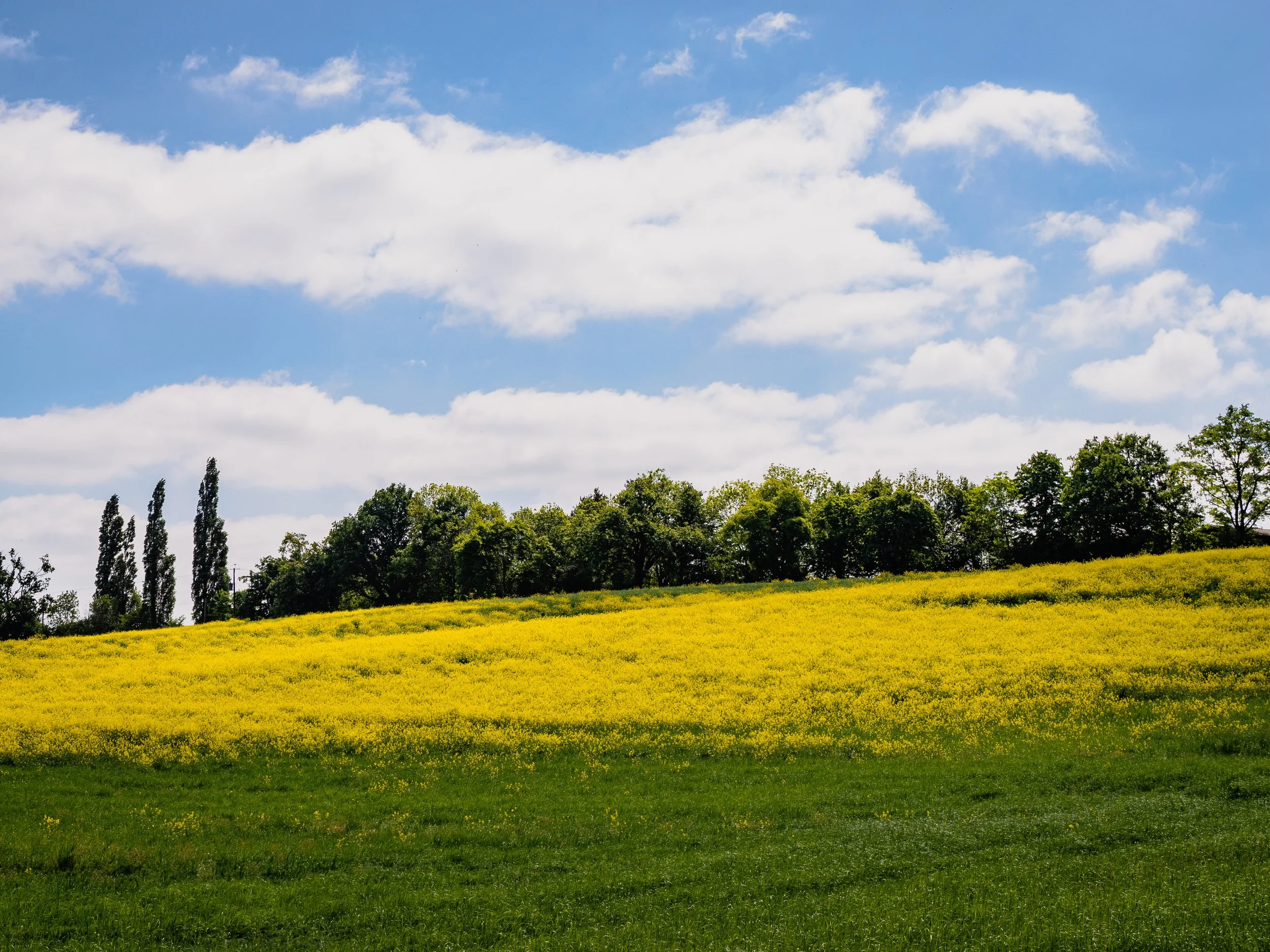
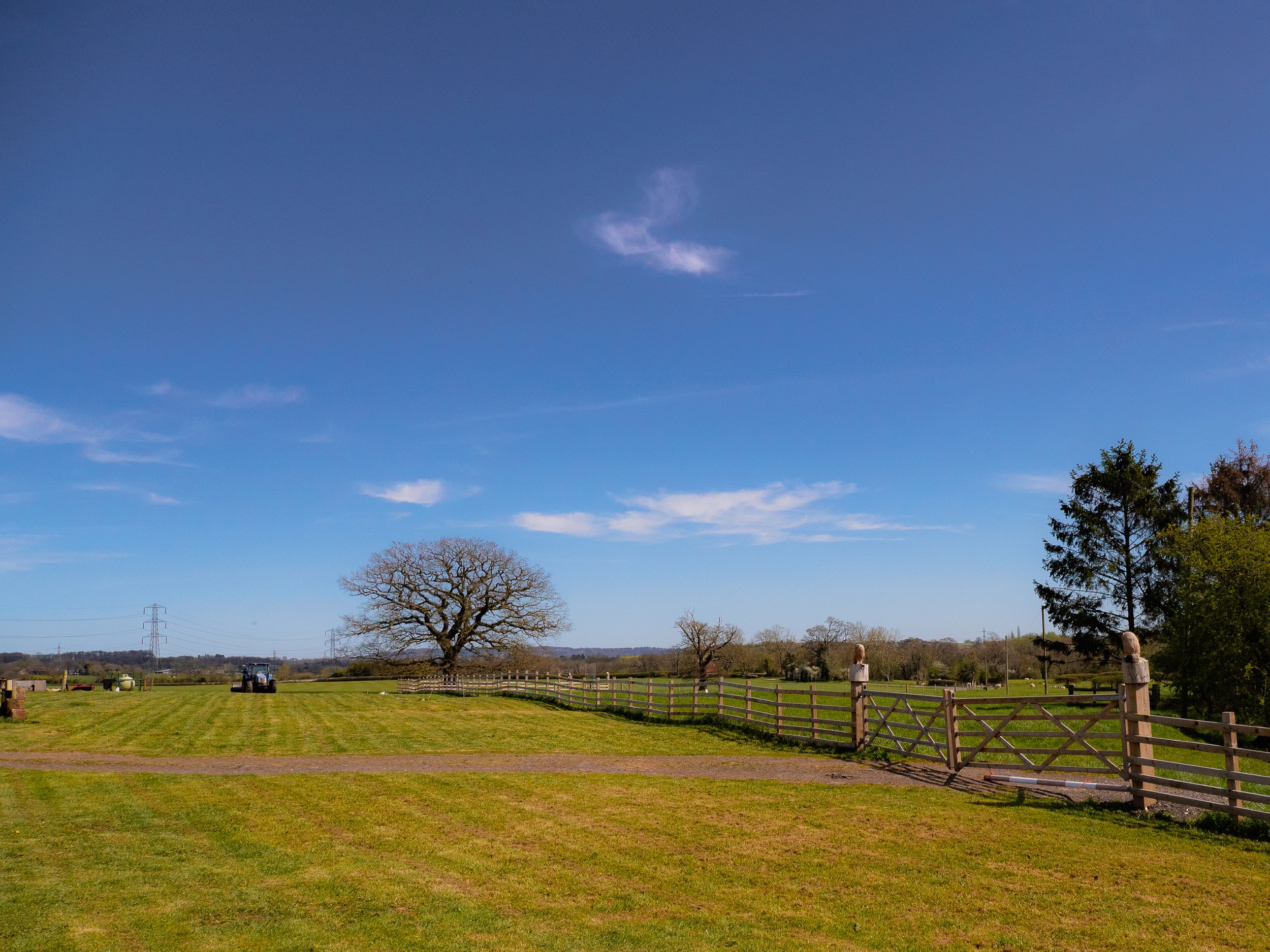
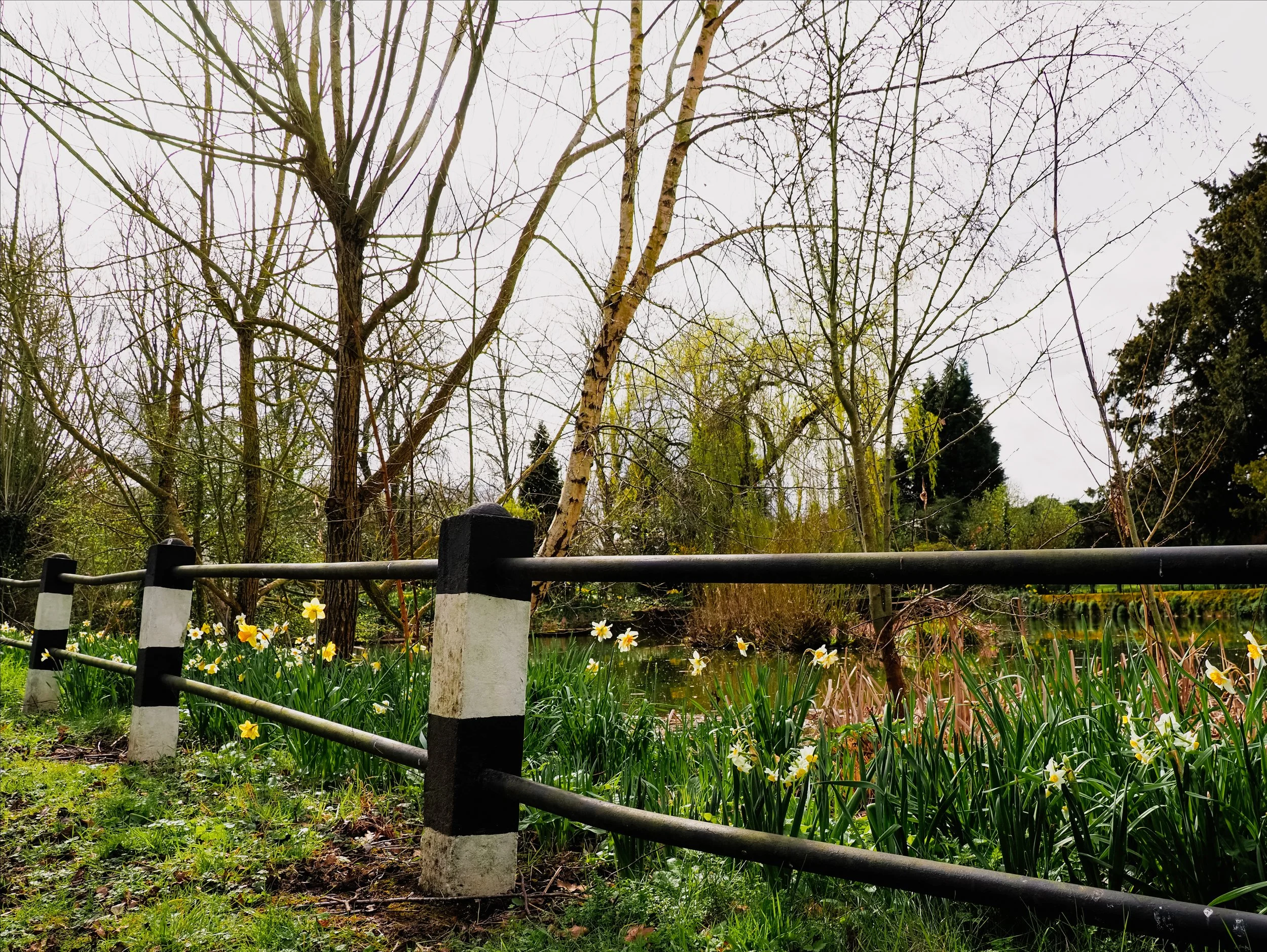
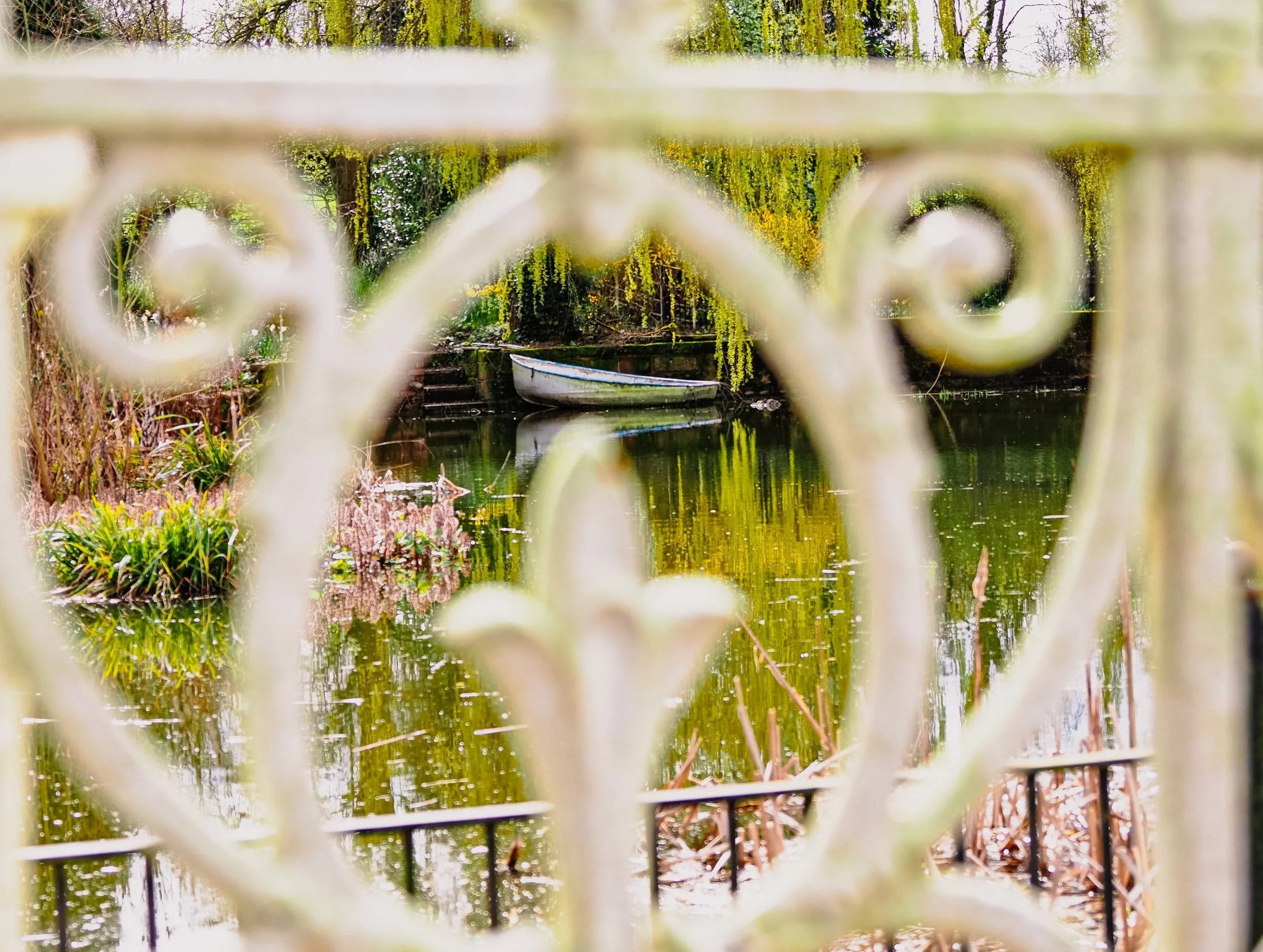
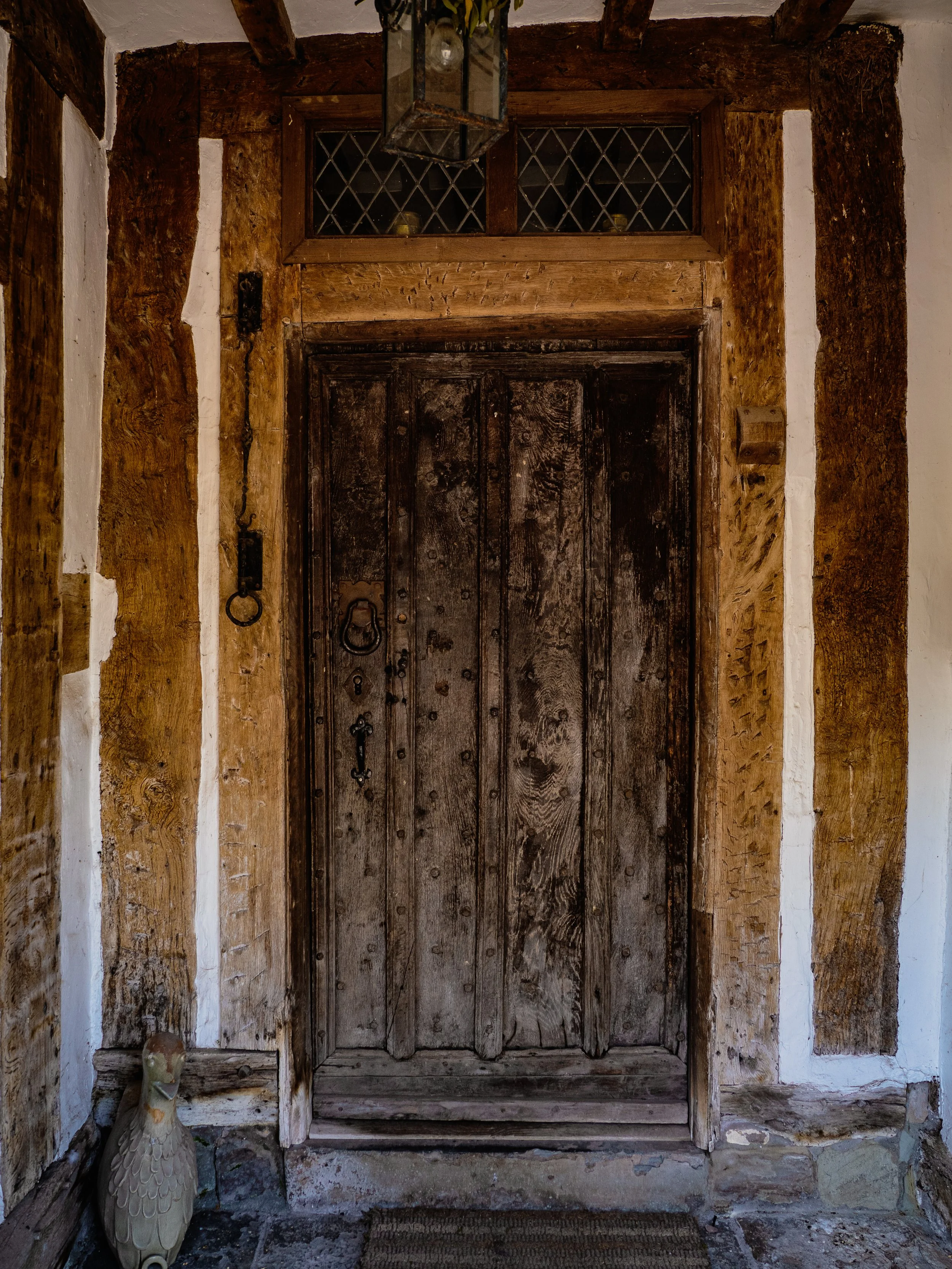
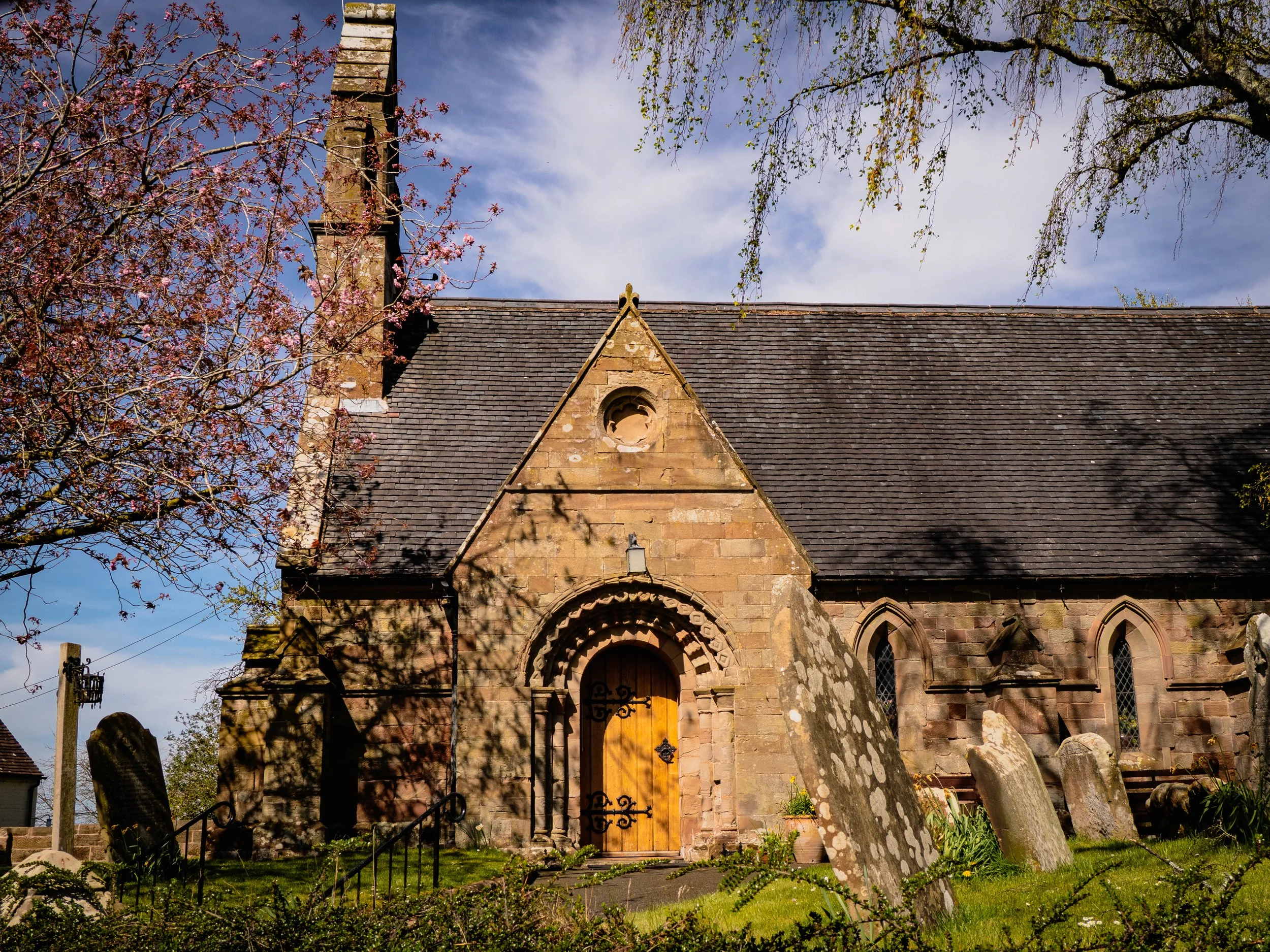
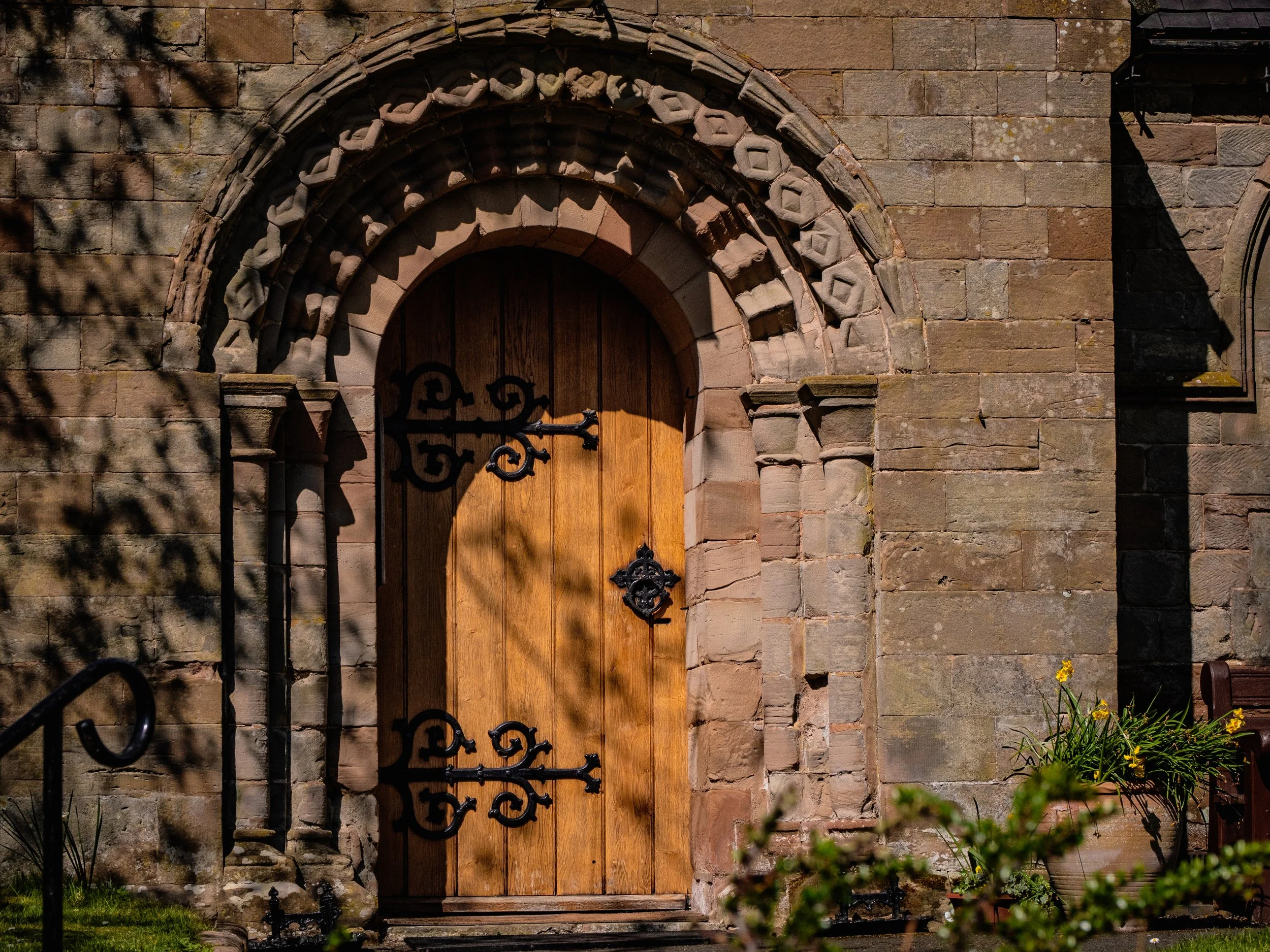
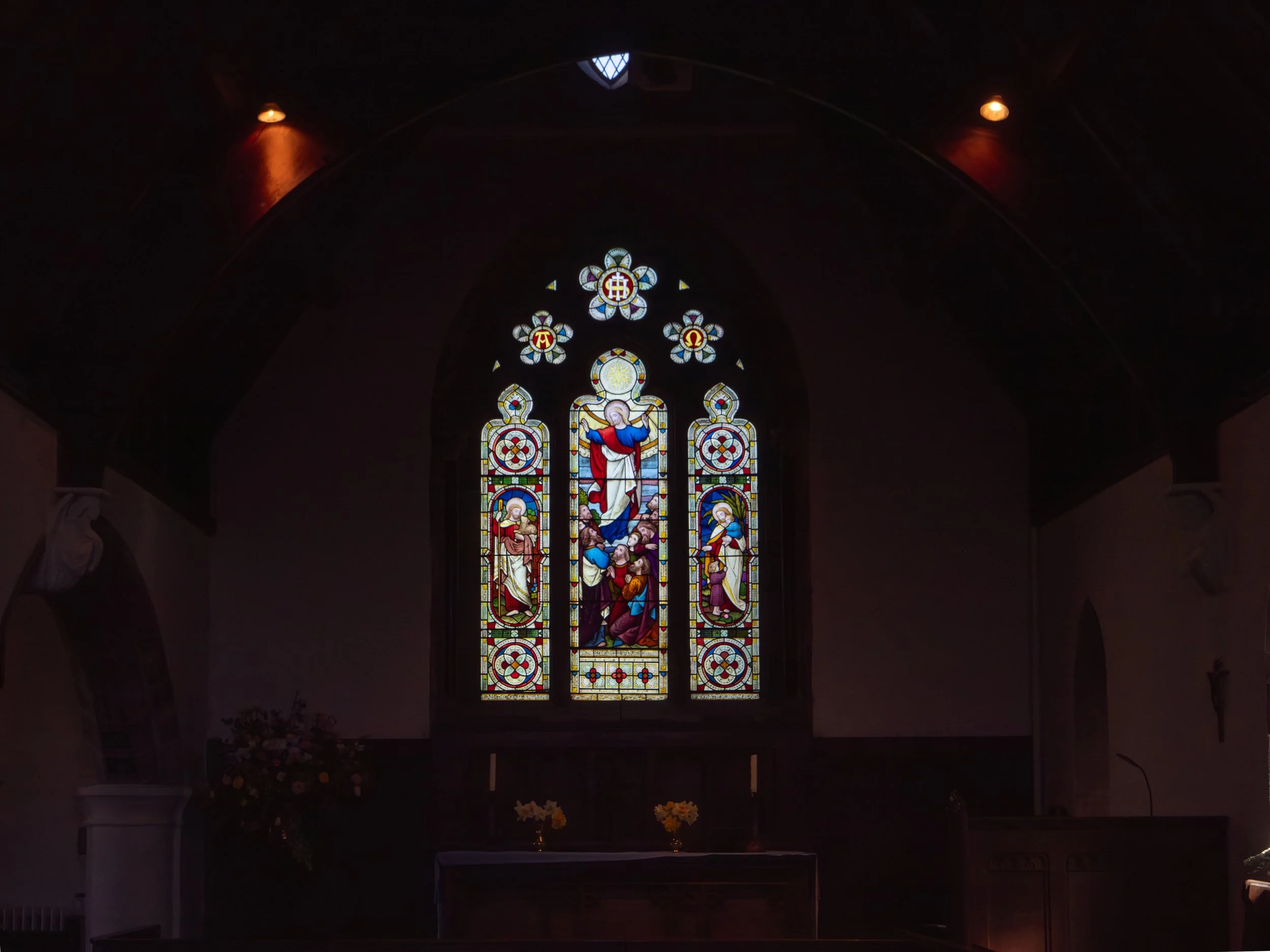
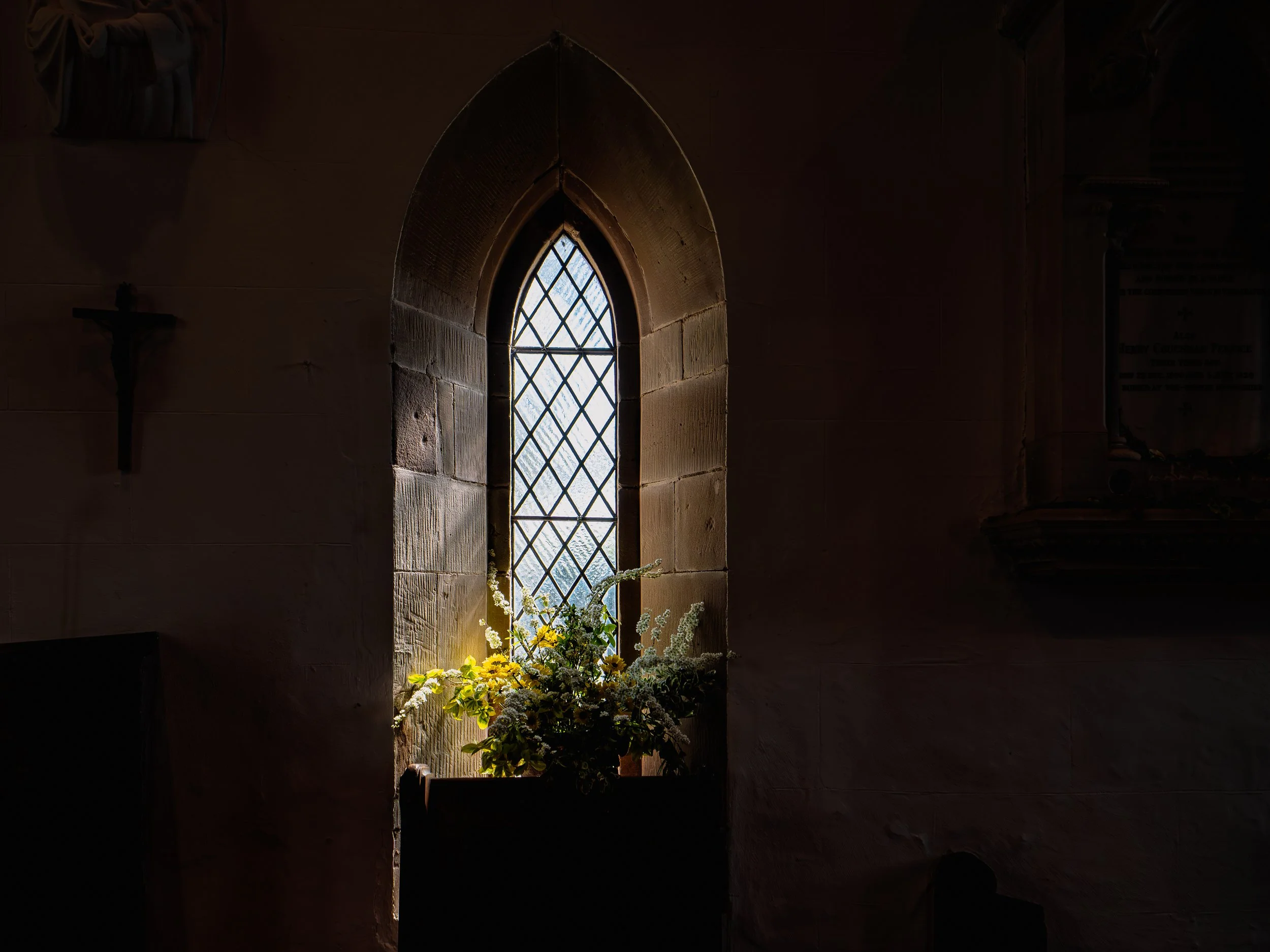
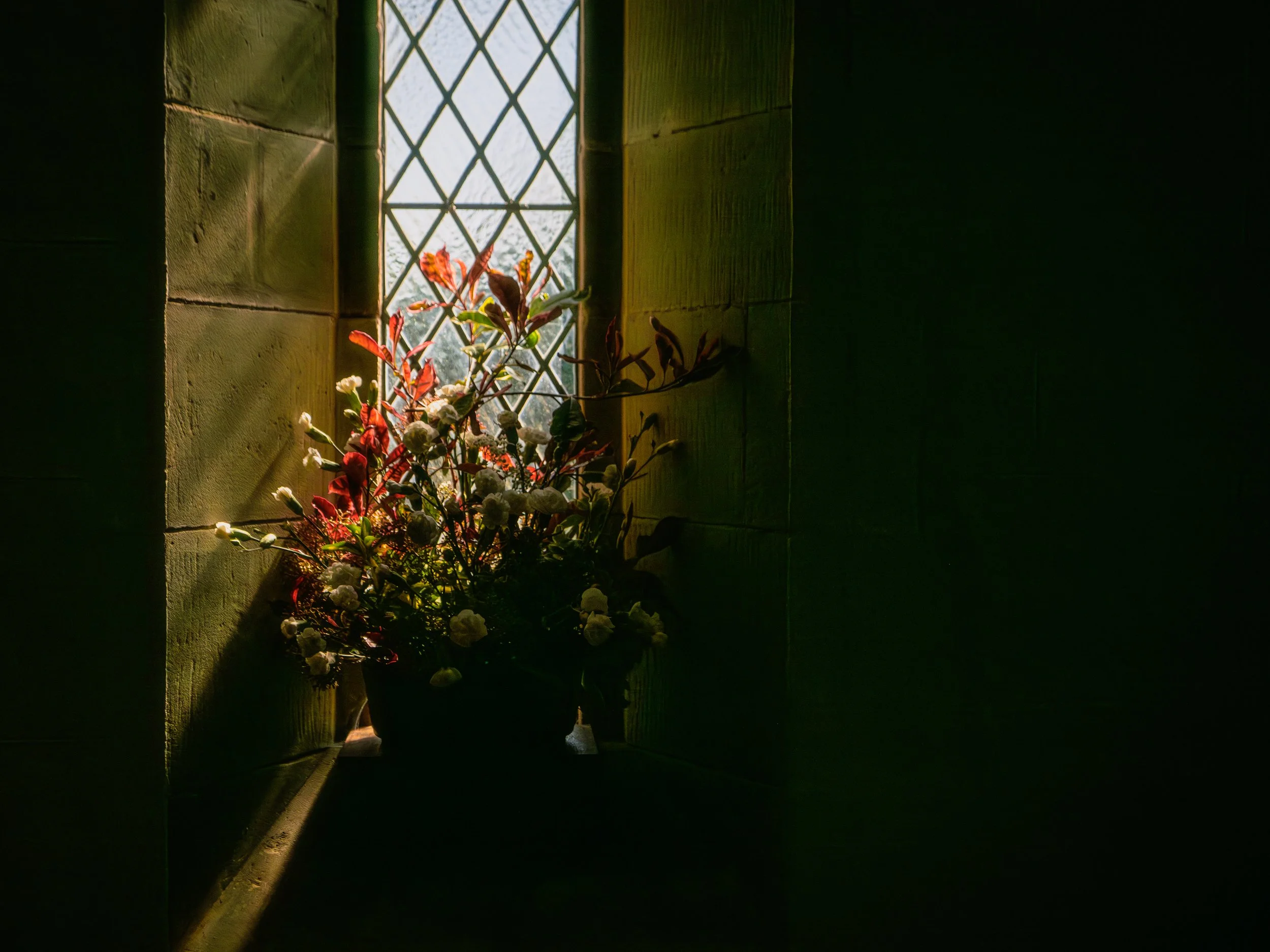
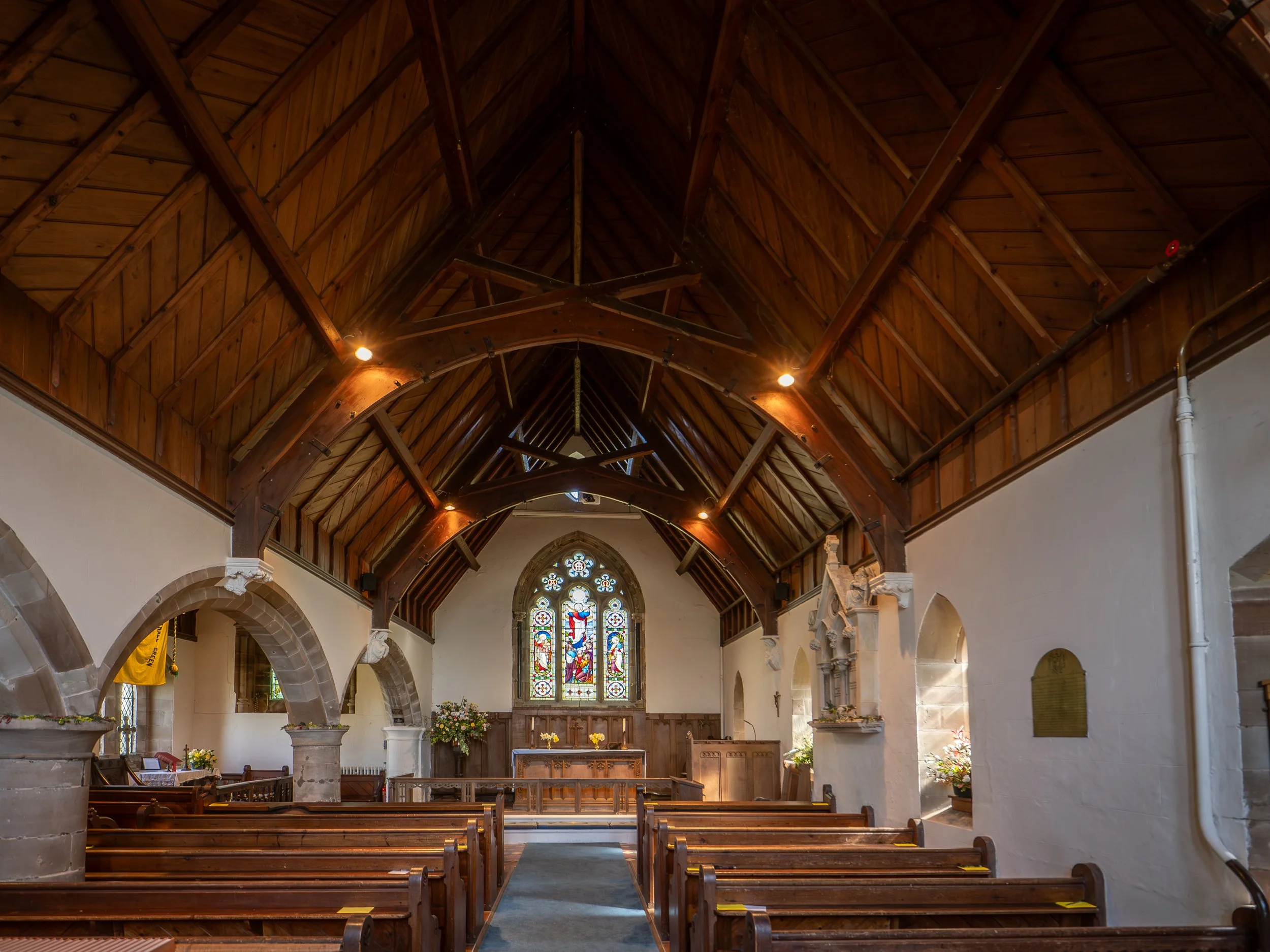
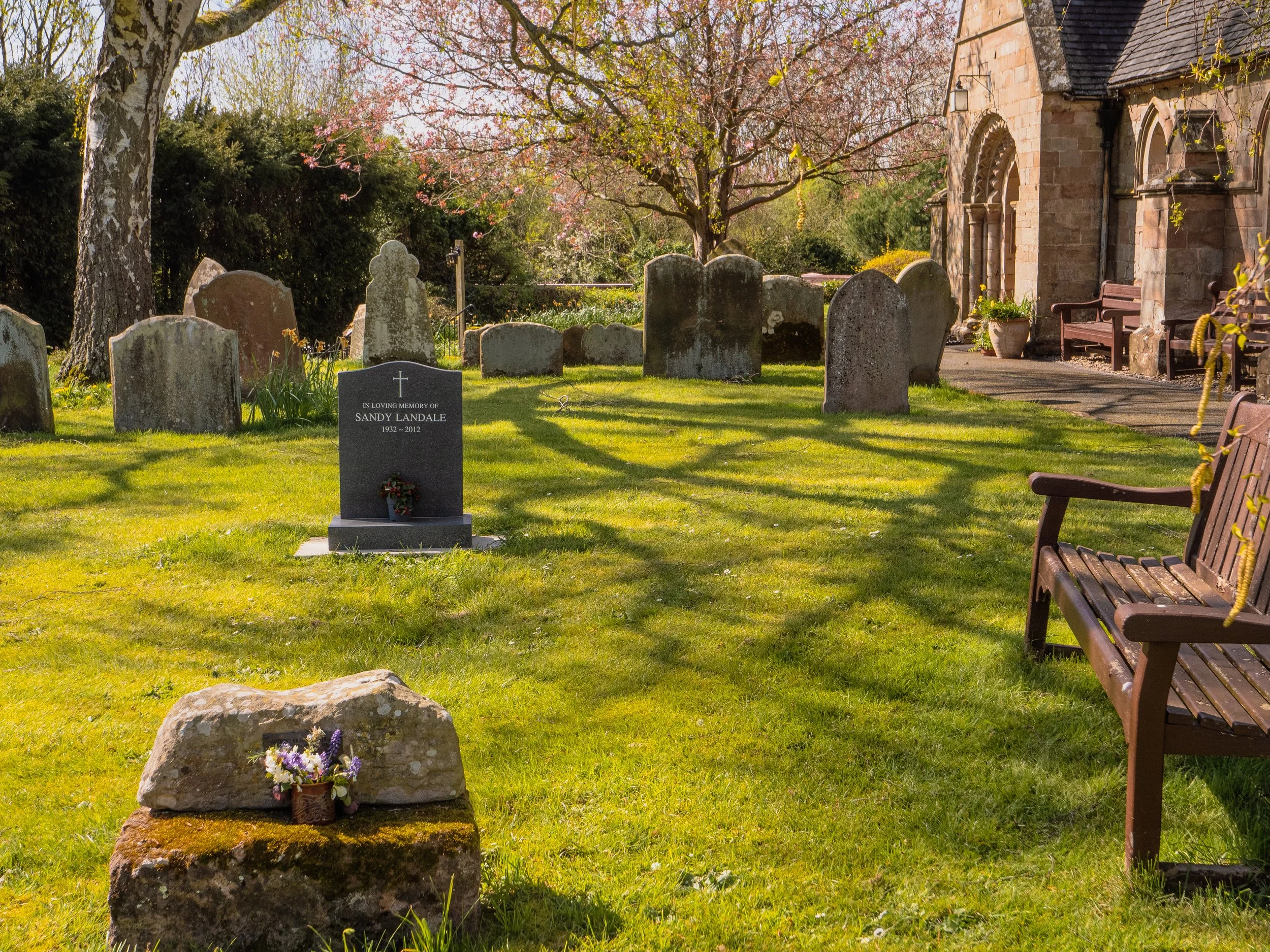
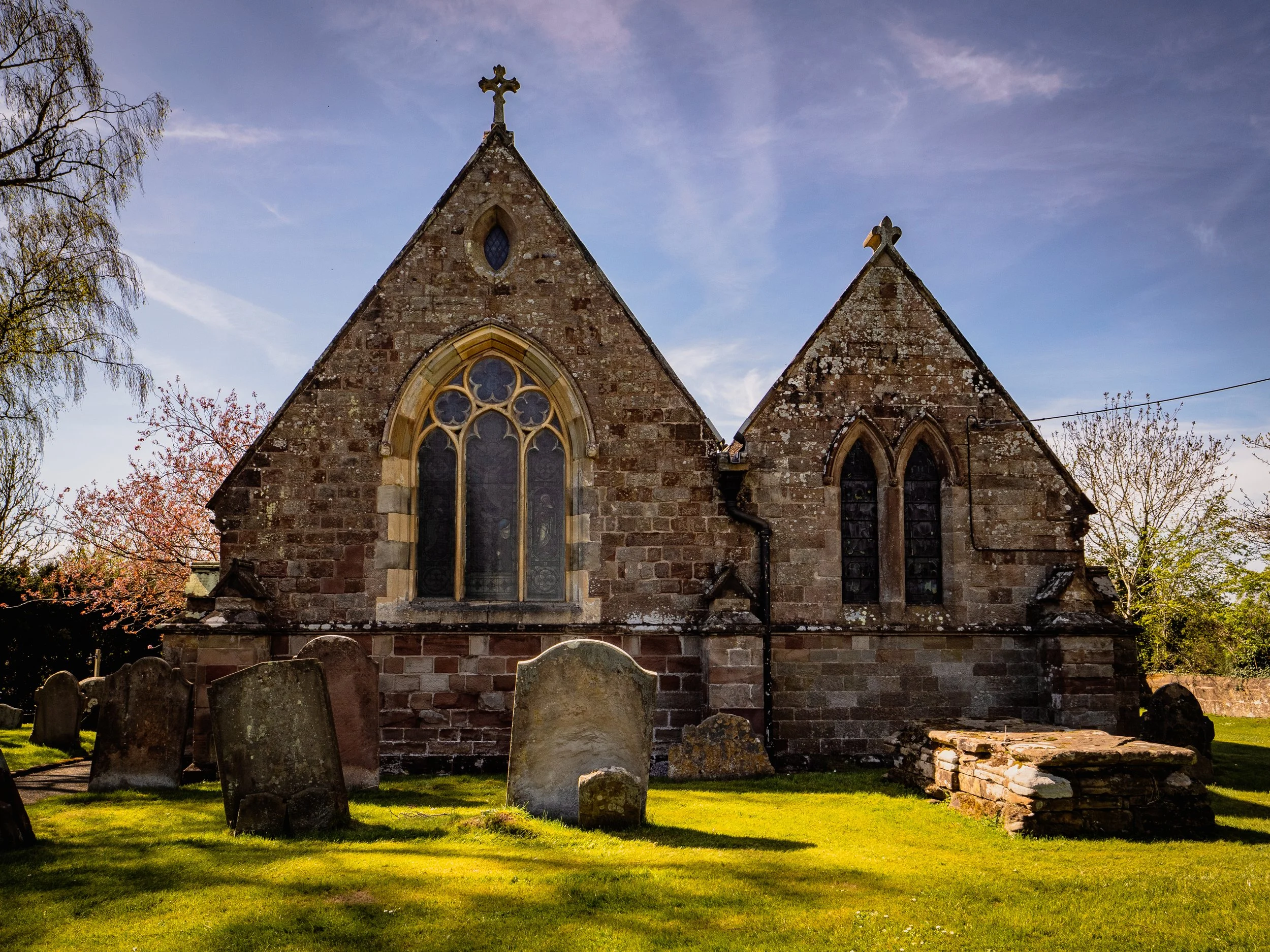
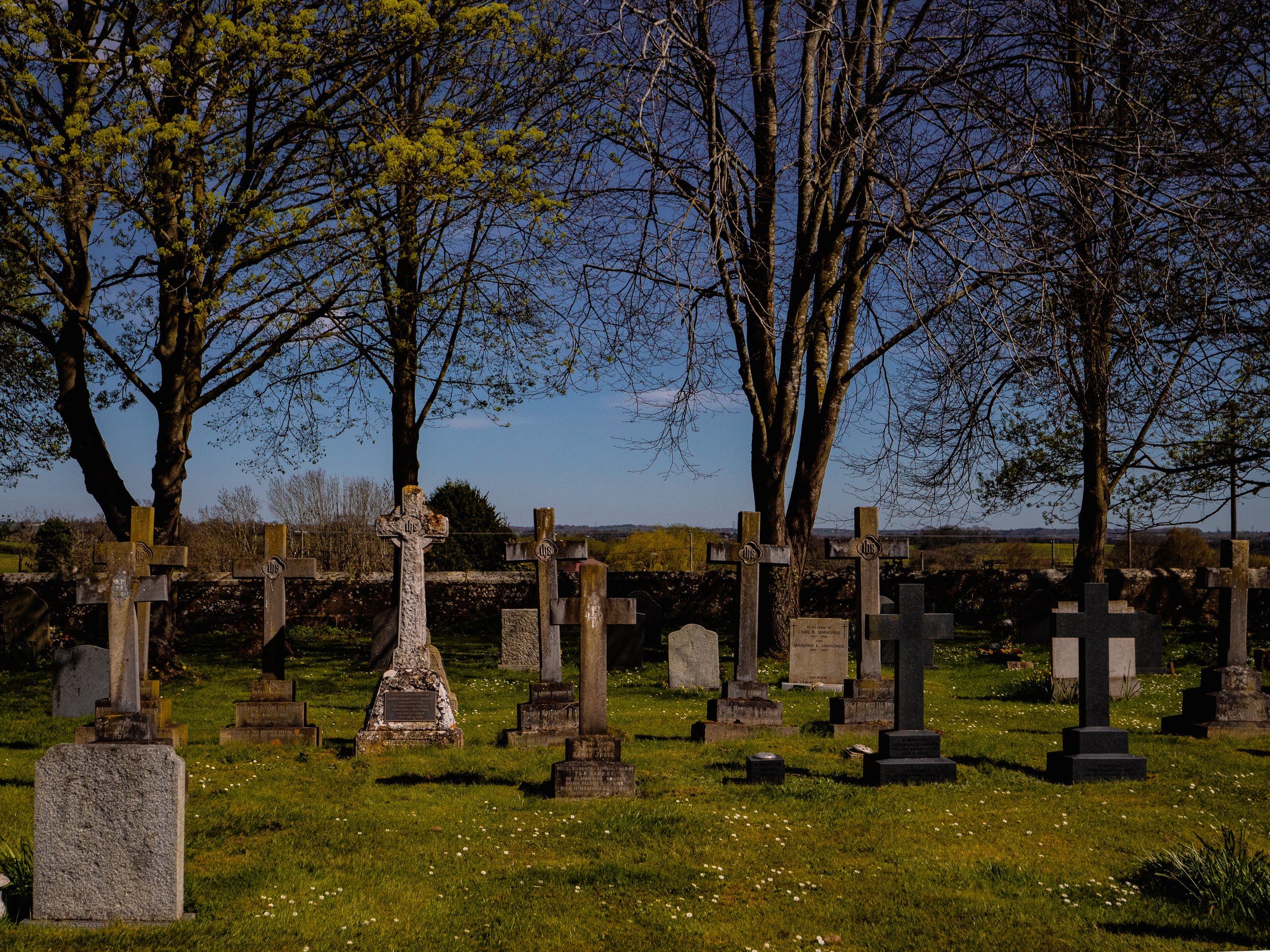
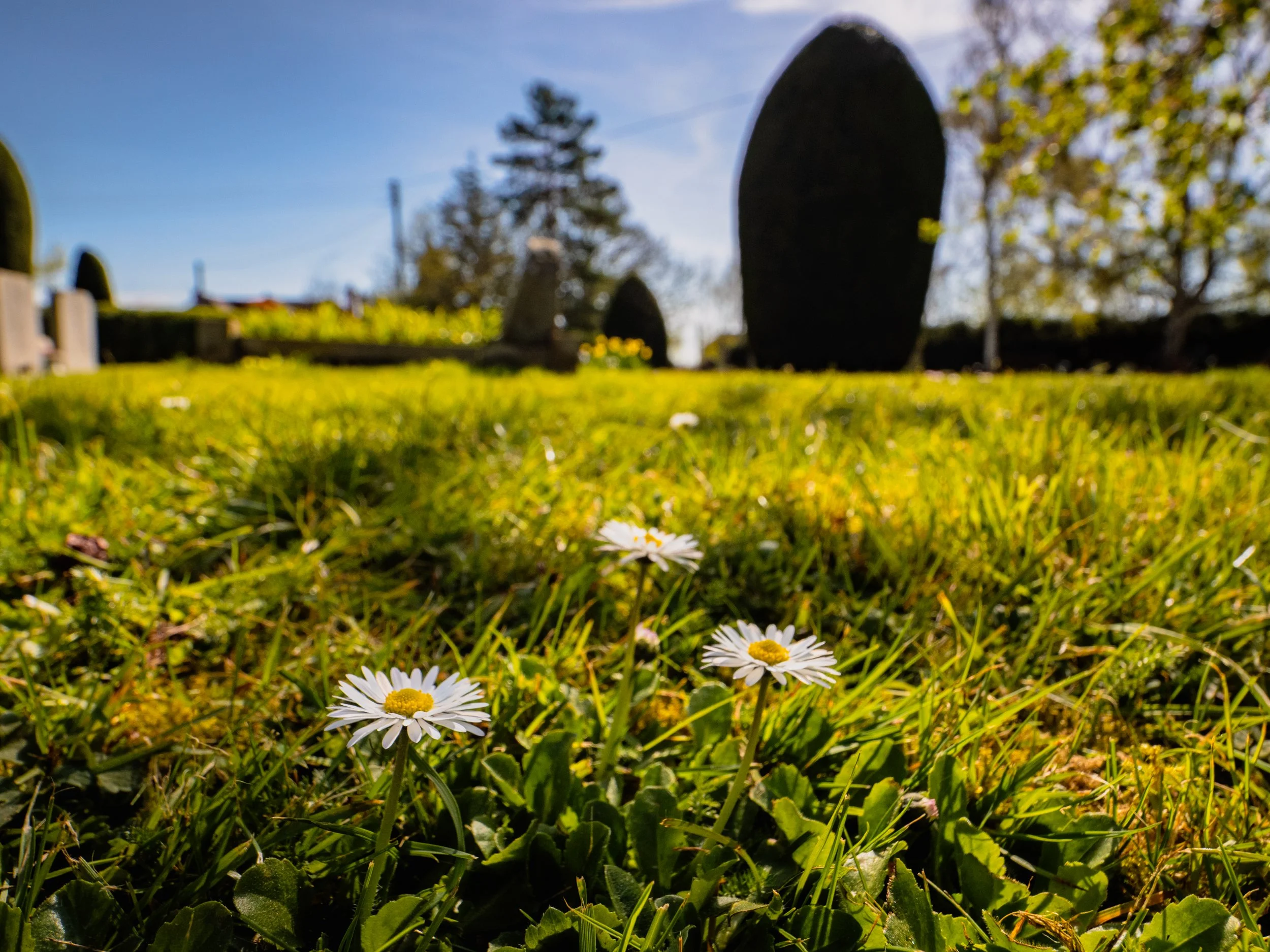
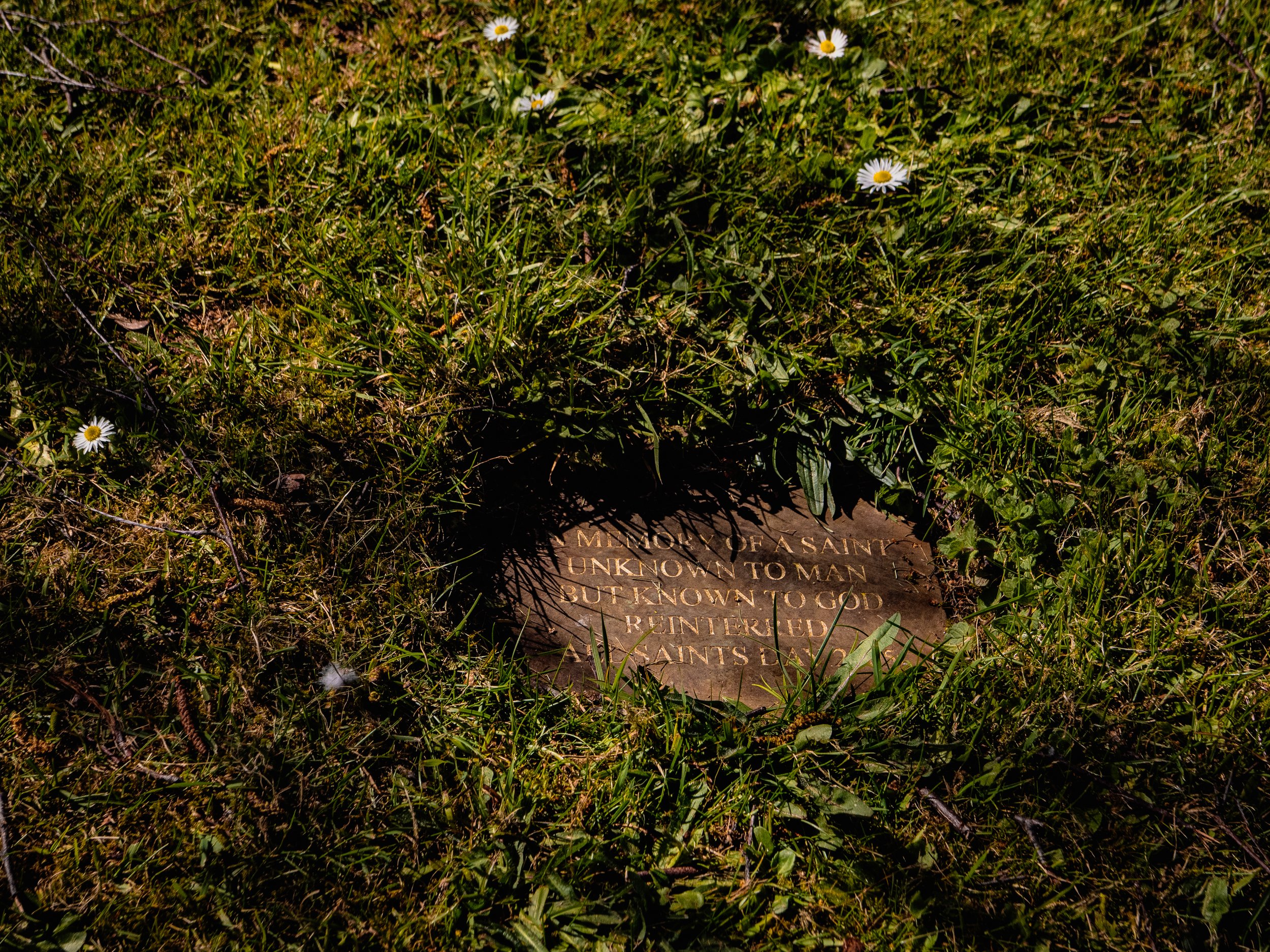
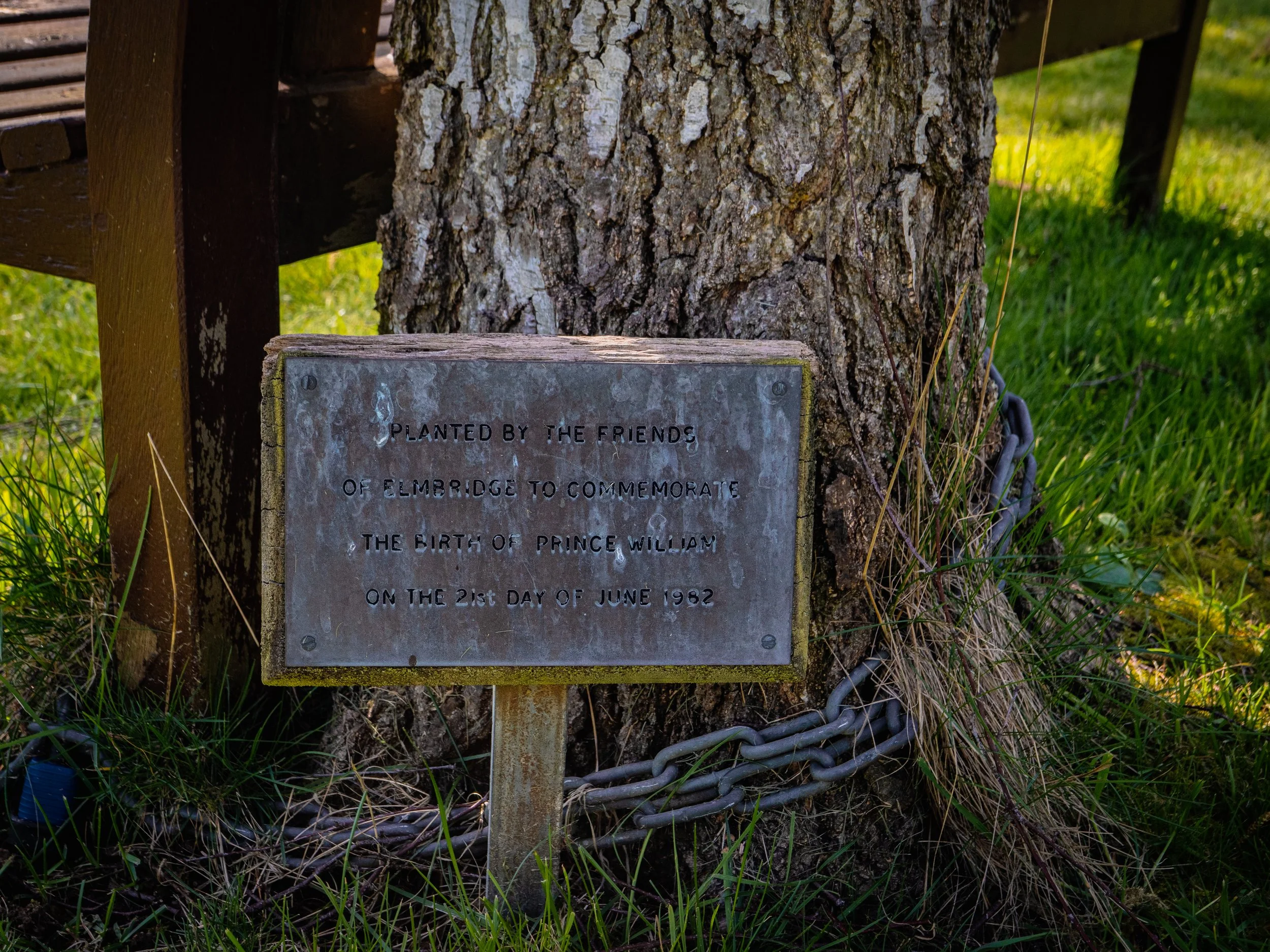
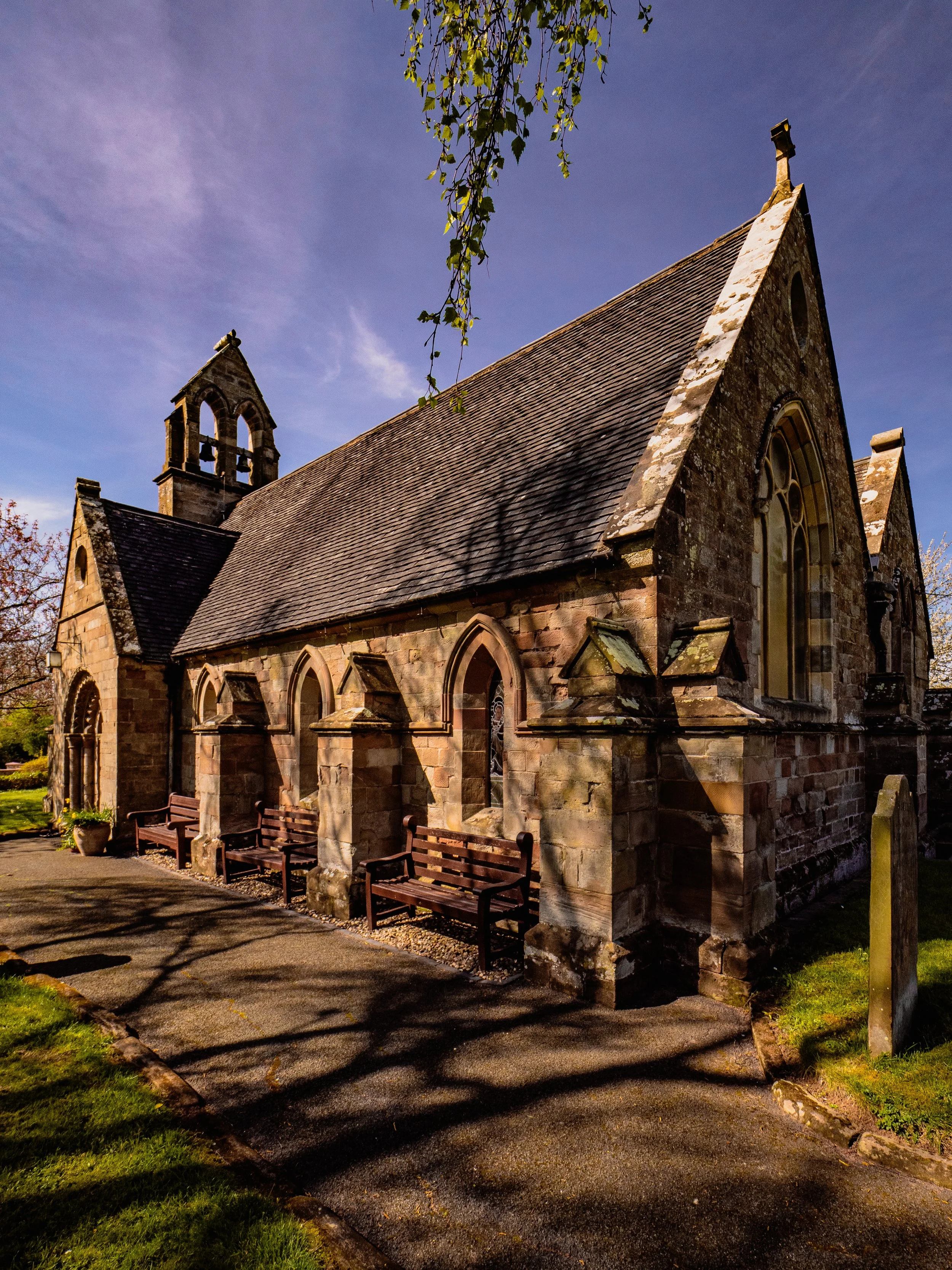
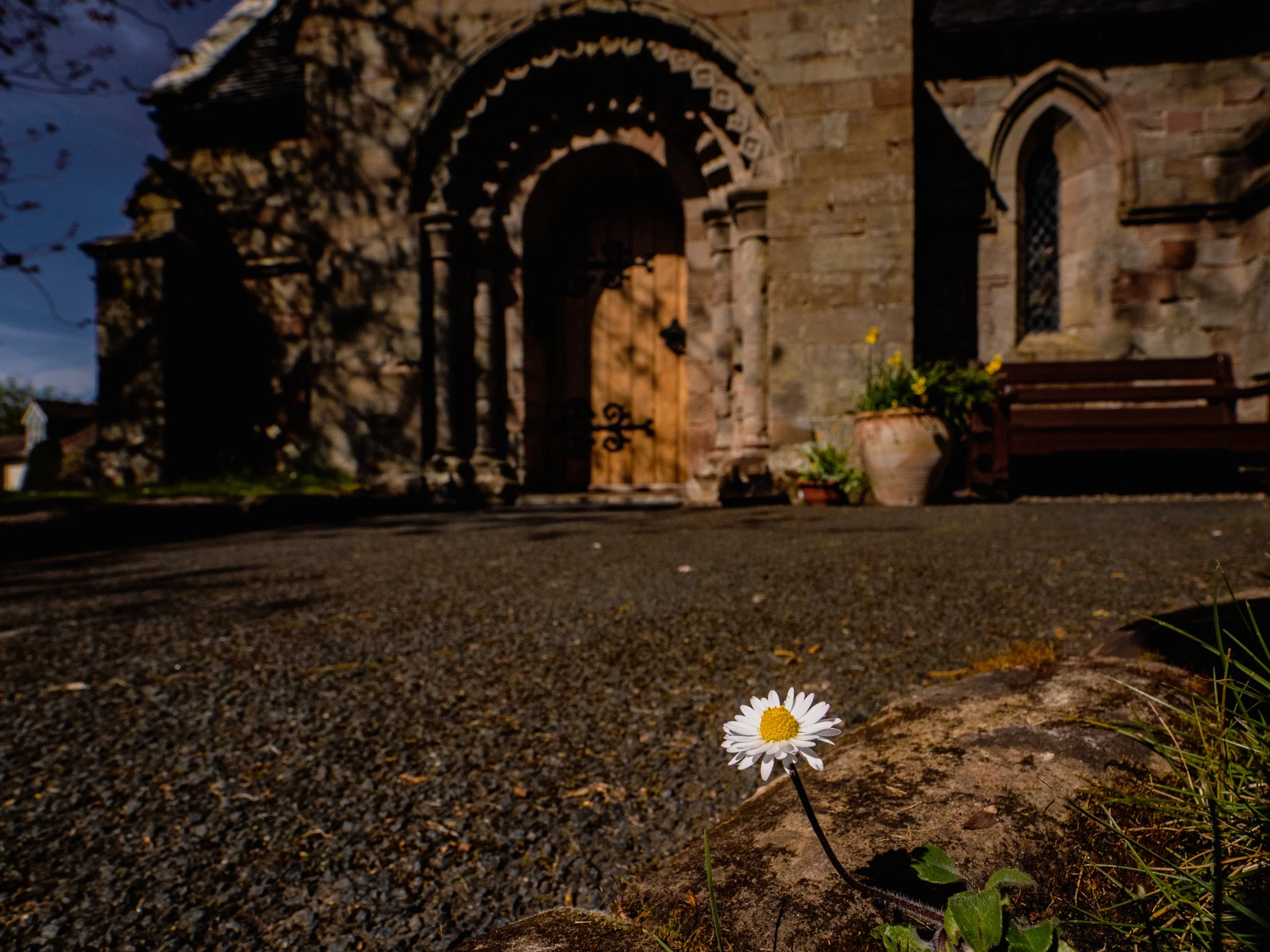
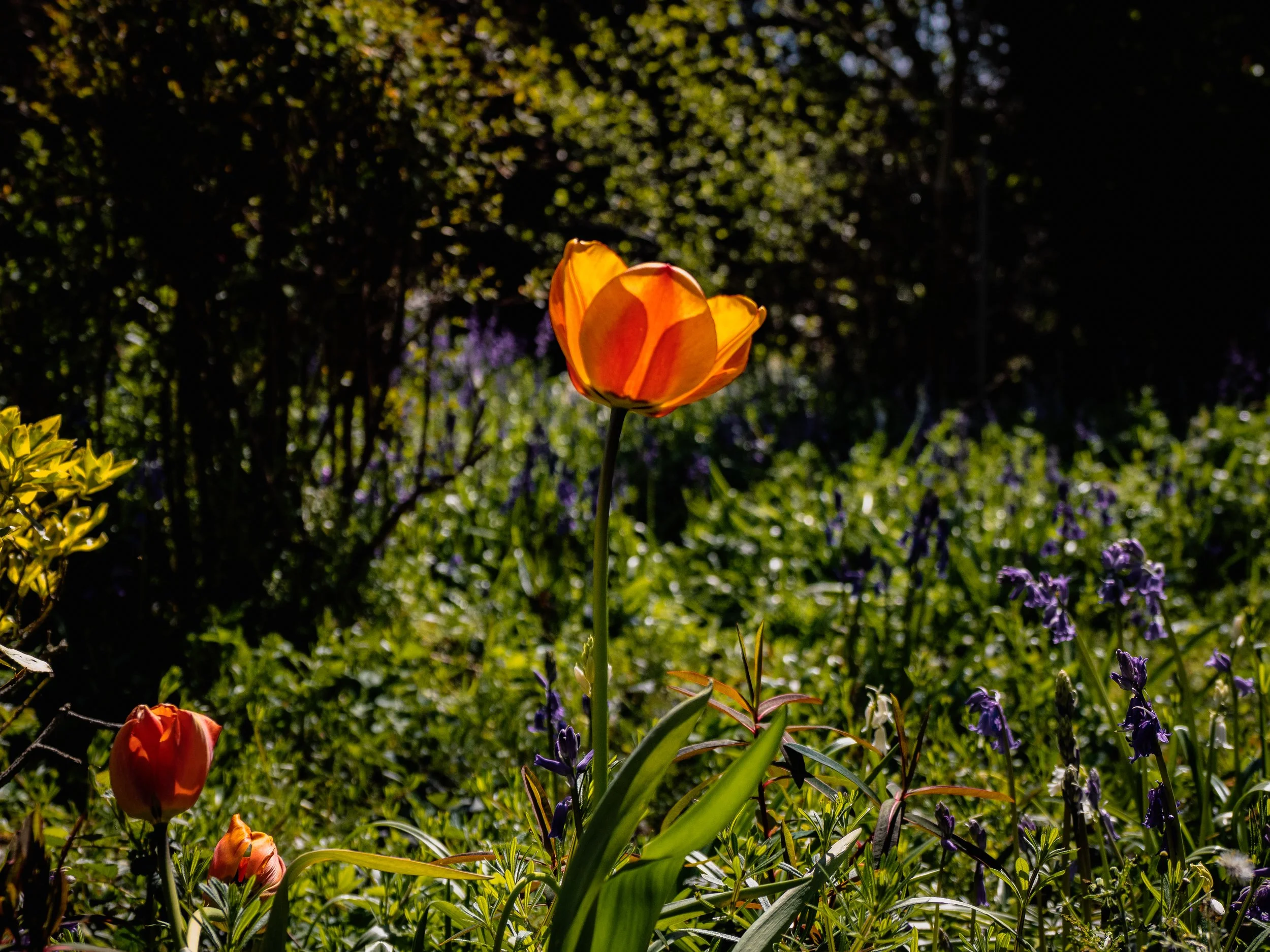
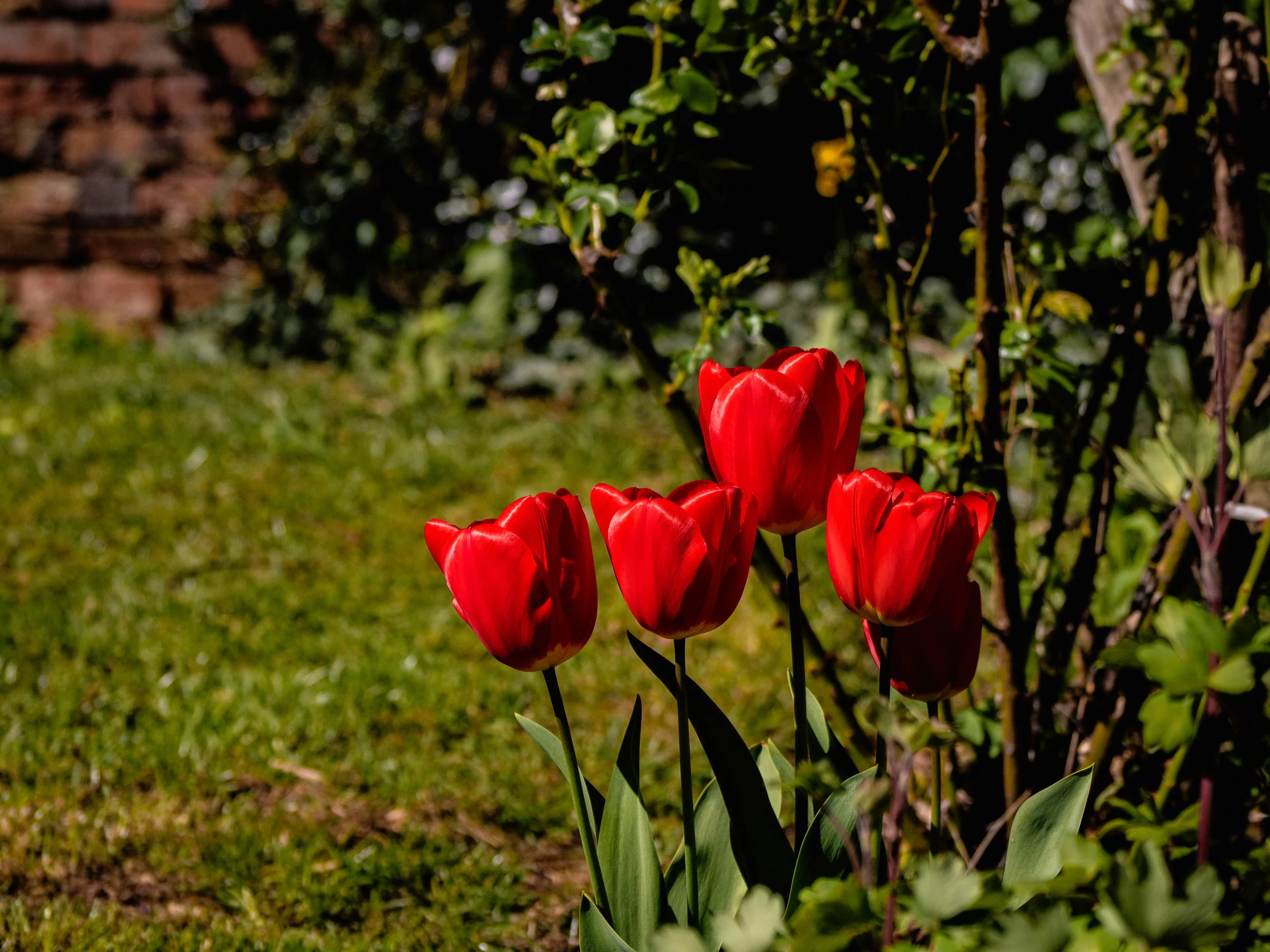
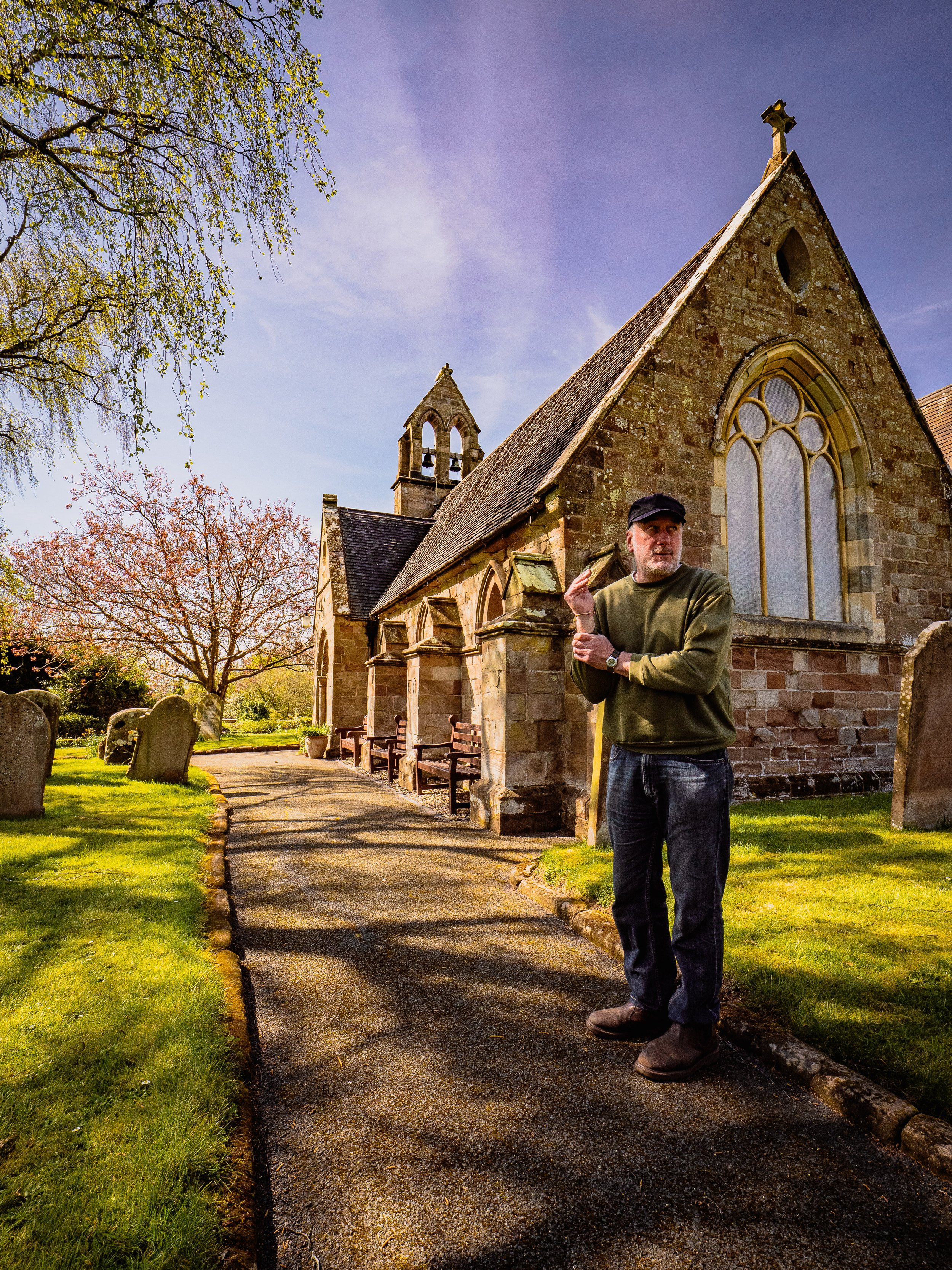
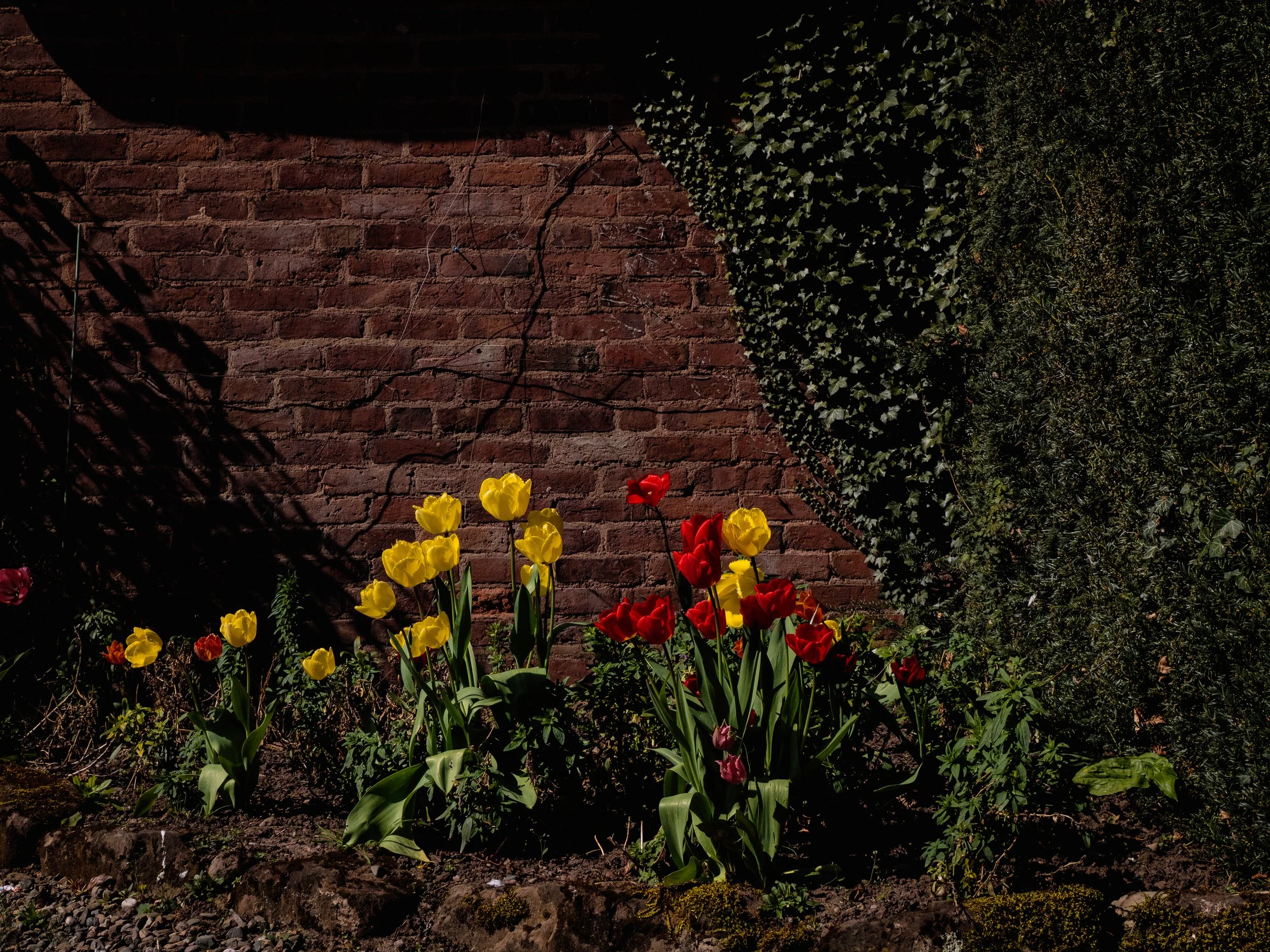
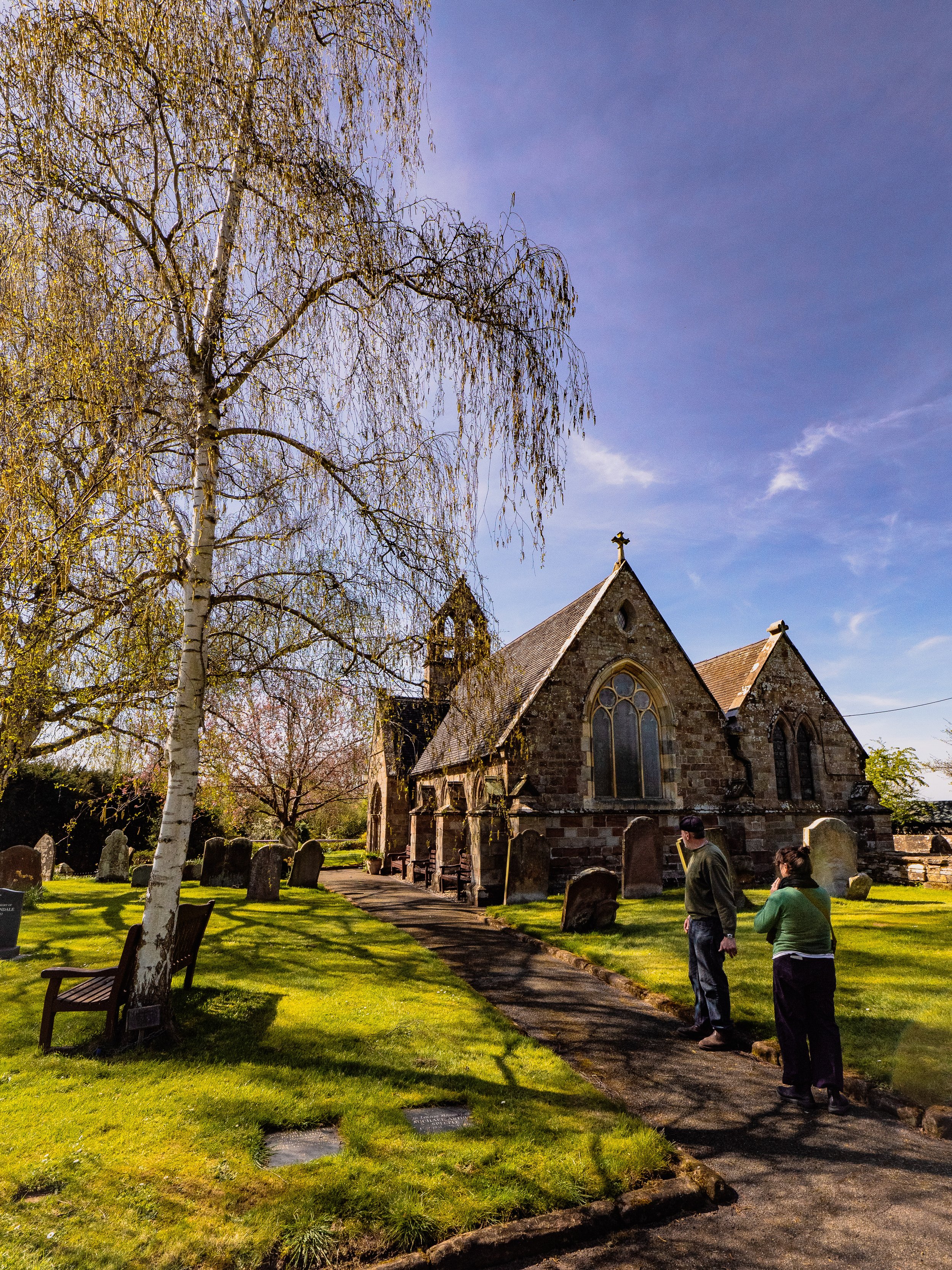
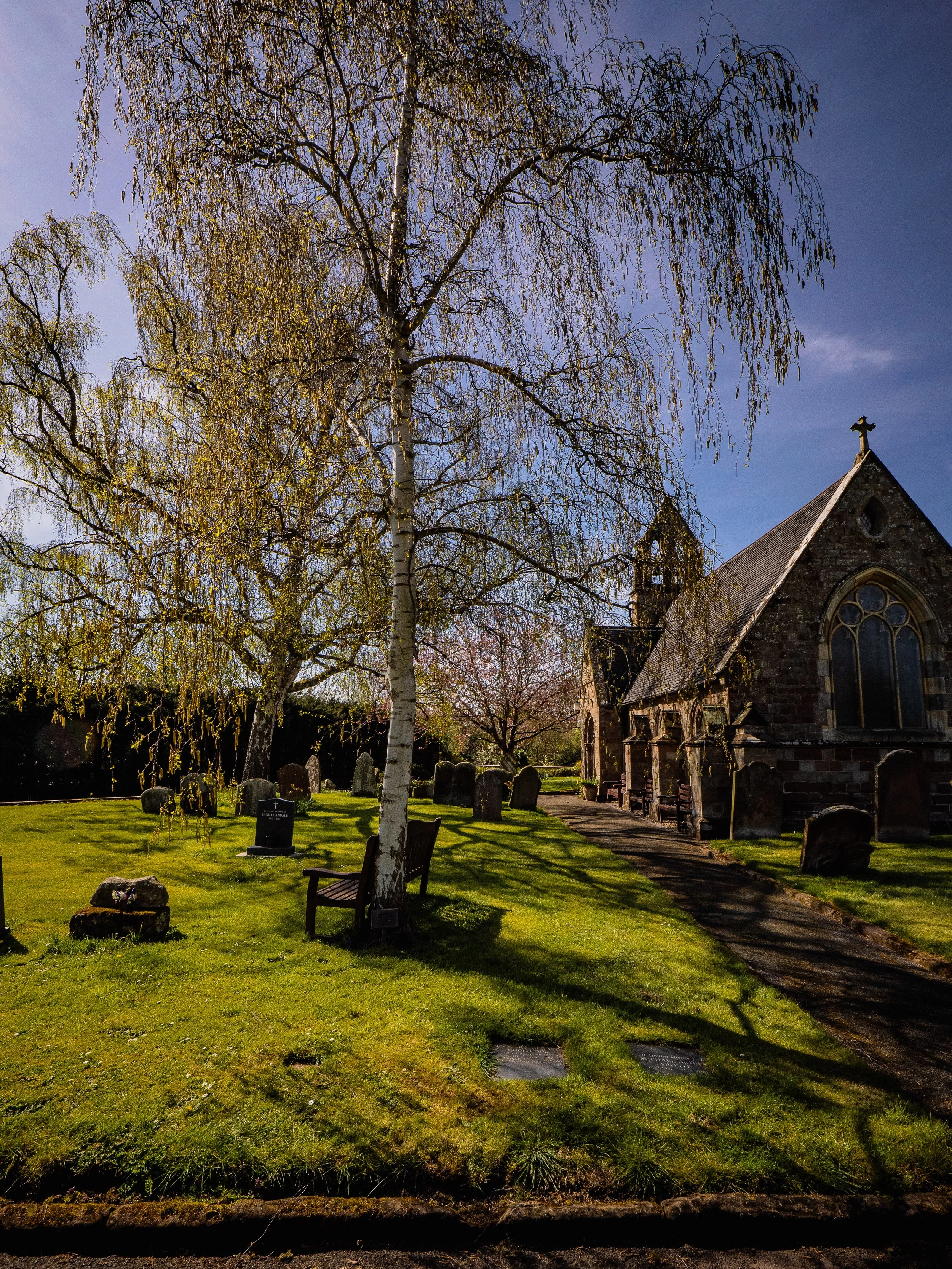
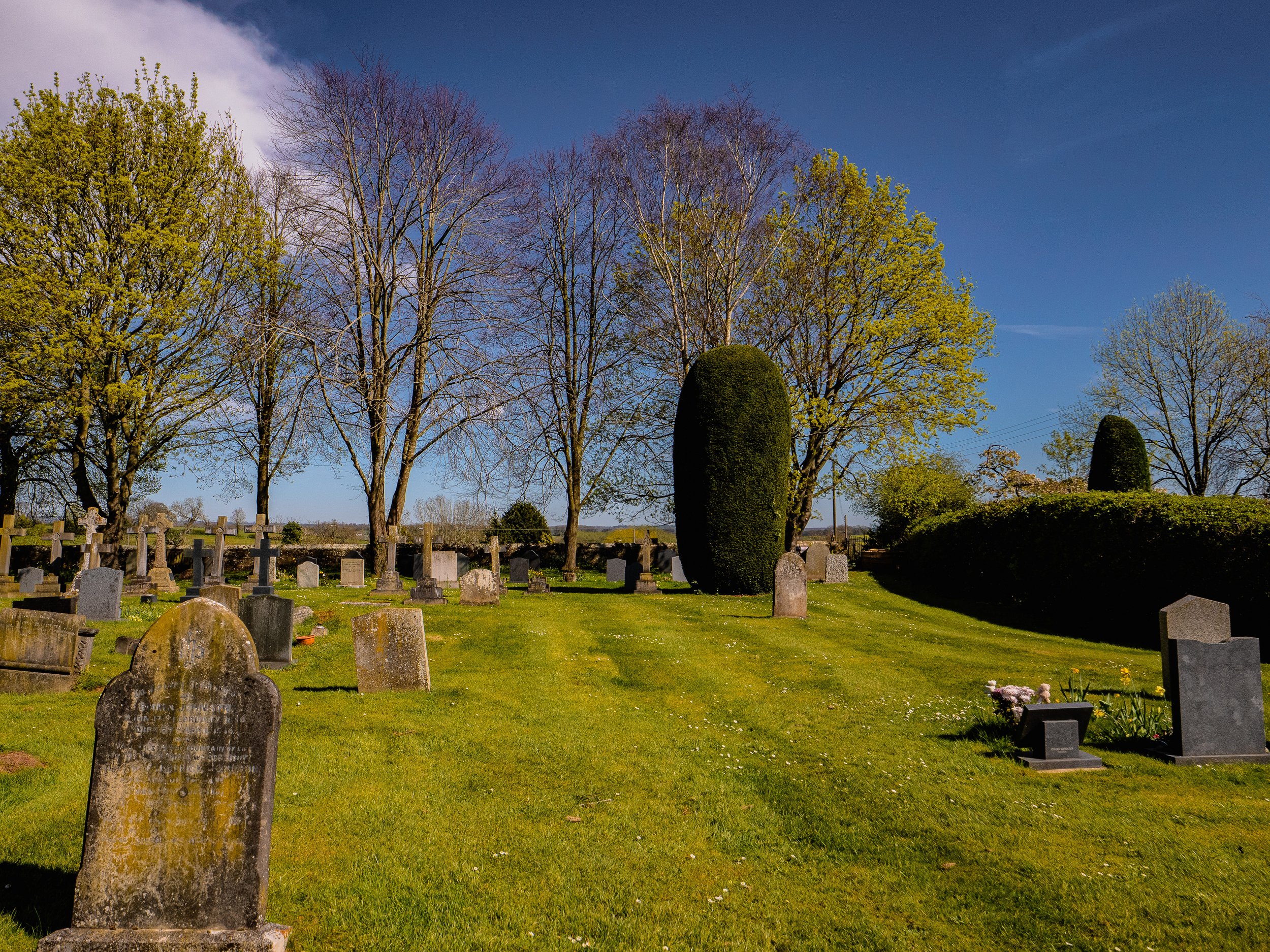
Our last stop on our Cooksey Green visit was the Church of St Mary, Elmbridge. While the church was rebuilt in 1872, there are still elements, like the doorway and capitals, that date back to the 12th century. The Landales are active in the church, and Charlie shared a wealth of information about the church and its history. While the church is small, the history and ties to the community are immense. The photos here are combined from three different visits to Cooksey Green, though the majority of them are from this trip. Let me know your thoughts or questions in the comments!